Commercial roofing for Hampton and the Virginia Peninsula

Commercial roofing for Hampton and the Virginia Peninsula
Hampton
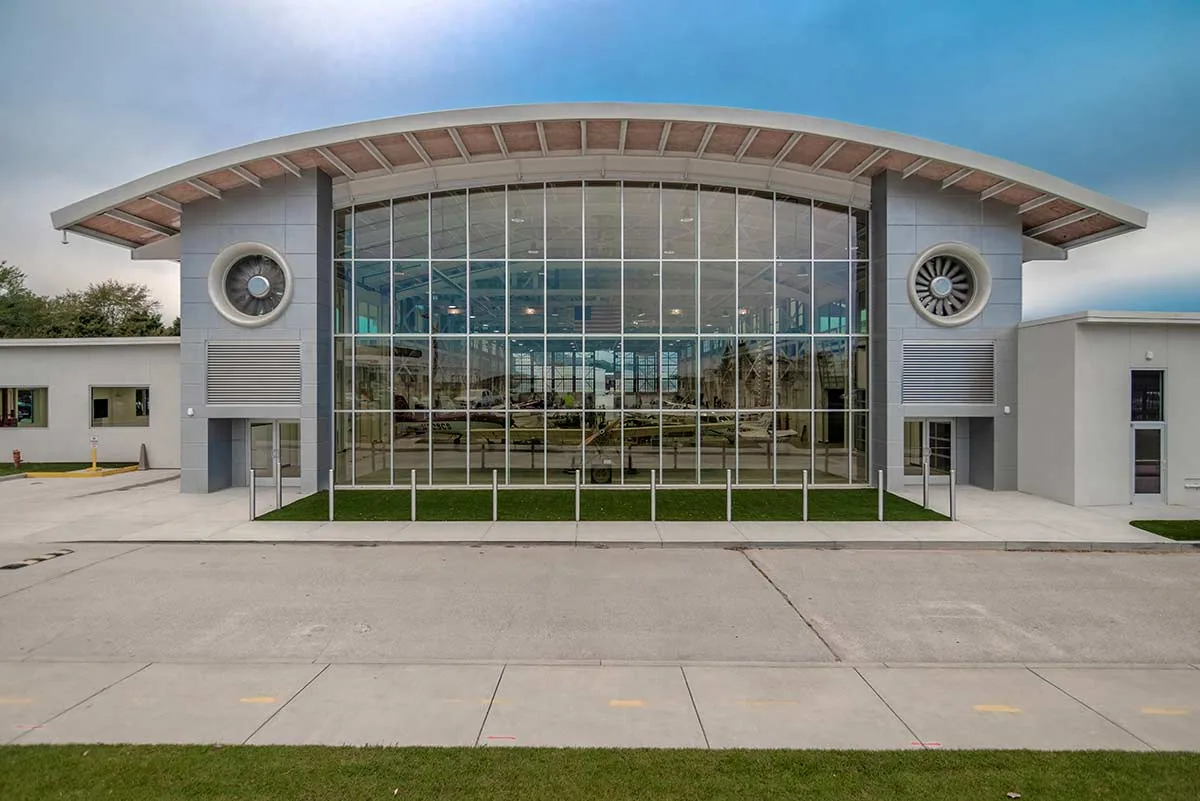
A roof over a clinic, a warehouse, and a school has different people and equipment below it. In Hampton, VA, the building's use helps set roof access, phasing, protection, and the hours available for work. We inspect the assembly first, then connect its condition to the property's operating needs. That gives an owner a usable choice between repair, recover, coating, and replacement without assuming every low-slope roof needs the same scope.
Our walk checks membrane, seams, curbs, penetrations, drains, edges, and any safe interior clues. The discussion also covers sensitive rooms, tenant movement, deliveries, temperature control, and equipment that cannot be interrupted casually. A commercial office may need phased access, while a medical office can require tighter coordination around occupied areas.
Coliseum Central includes office, retail, medical-service, and mixed-use buildings. Downtown Hampton has small office buildings as well as Class A office space. Those are distinct property settings, so each roof plan should be tied to the building being inspected.
Warehouse and distribution roofs may have long drainage paths, rooftop units, and repeated service access, but those conditions must be checked on each property. We inspect around curbs, penetrations, traffic routes, and drains before discussing warehouse roofing or a distribution-center scope. For manufacturing plants, we ask about production windows, exhaust, heat, and shutdown limits before setting the work sequence.
Hampton's business parks accommodate several kinds of commercial work. We confirm the building's use and equipment before choosing roof access, protection, and phasing.
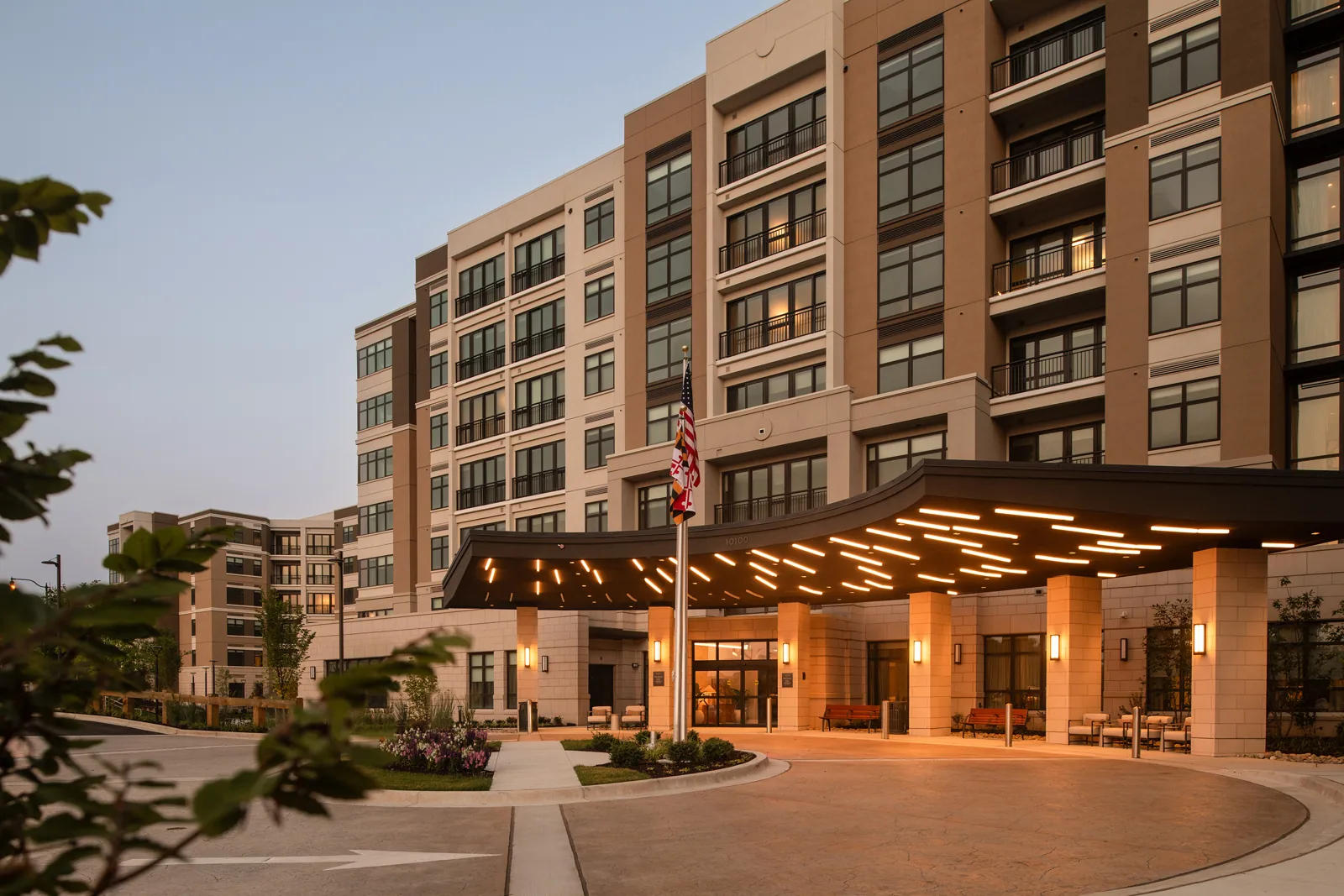
Hampton Roads has a documented storm-surge history, and coastal flood warnings describe risk near shorelines and tidal waterways. For a building owner, the practical roof check is local: where water enters, where it drains, and whether edges and transitions remain intact. A building-specific roof walk checks its own drainage, edges, transitions, and interior clues before the scope is set.
Property-specific scopes can include cold-storage facilities, hospitals, schools, and shopping centers. Each may call for a different protection plan, temperature or access consideration, and daily closeout.