Commercial roofing for Hampton and the Virginia Peninsula
Commercial roofing for Hampton and the Virginia Peninsula
Hampton
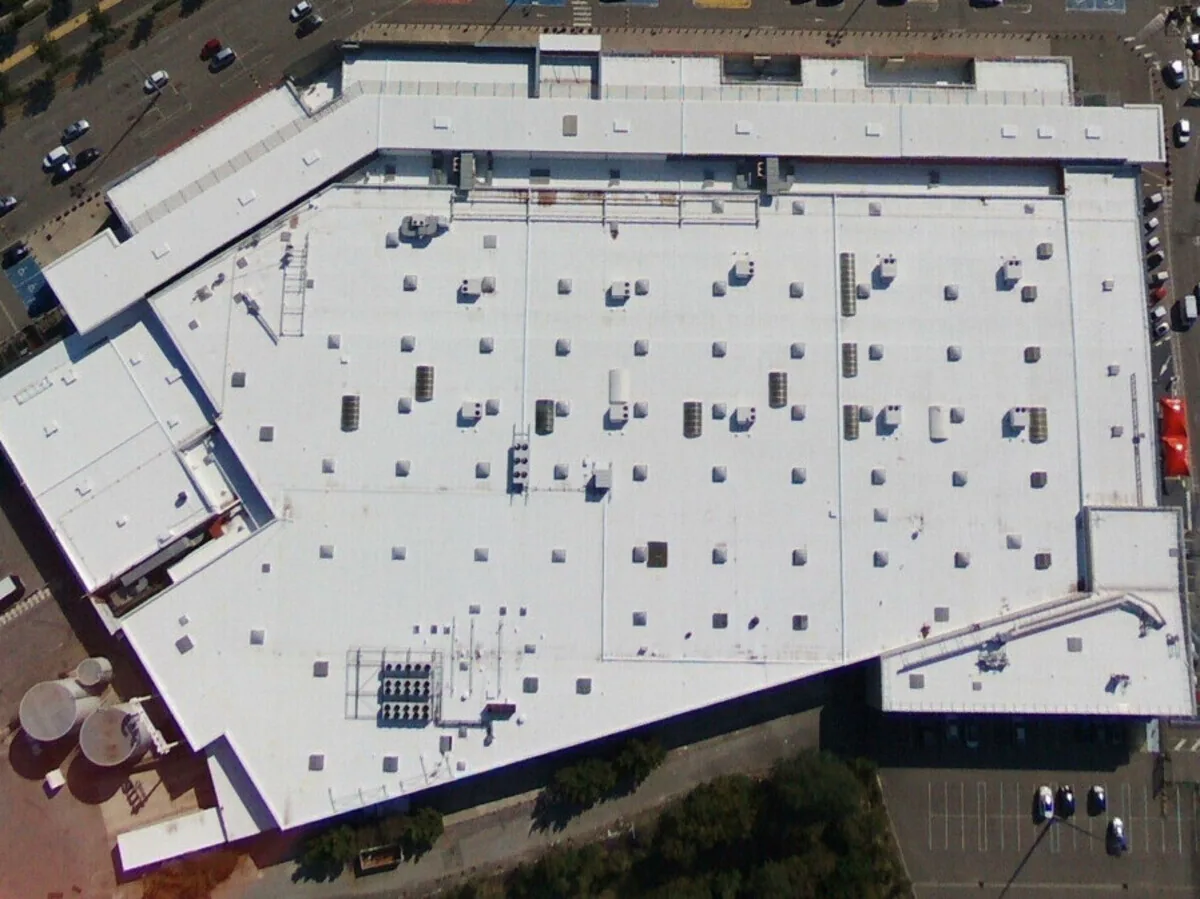
Active water, a loose edge, or a drain that will not clear changes the first roofing decision. In Hampton, VA, we begin with the affected area, the rooms or equipment below it, and the access available for a safe roof walk. The crew checks seams, penetrations, drainage, perimeter details, and any prior repair before setting a scope. A repair visit, a replacement review, and a maintenance plan answer different questions, so the field findings need to lead the work.
We follow the reported water path from the occupied space to the roof surface, then separate visible damage from any condition needing a test or selective opening. The record pairs area photographs with the details checked and remaining questions. A commercial roof inspection establishes field observations, while drone roof imagery can capture larger geometry when site rules and airspace permit.
Hampton’s business parks support research, flexible offices, light manufacturing, warehousing, and distribution. Instead of treating those categories as a roof specification, we map equipment, penetrations, the access route, and the occupied area below before recommending a service sequence.
A repair makes sense when the defect is localized and the surrounding assembly can remain in service. We check the material, seam or flashing detail, drainage path, and condition around the opening. For repeated leaks or broad deterioration, a replacement review compares tear-off with a recover only after moisture, attachment, deck, height, and code questions are addressed.
A coating or restoration may fit a sound roof with correctable details. A coating assessment should identify preparation, repairs, and limits before the owner compares it with replacement. No single method suits every assembly.
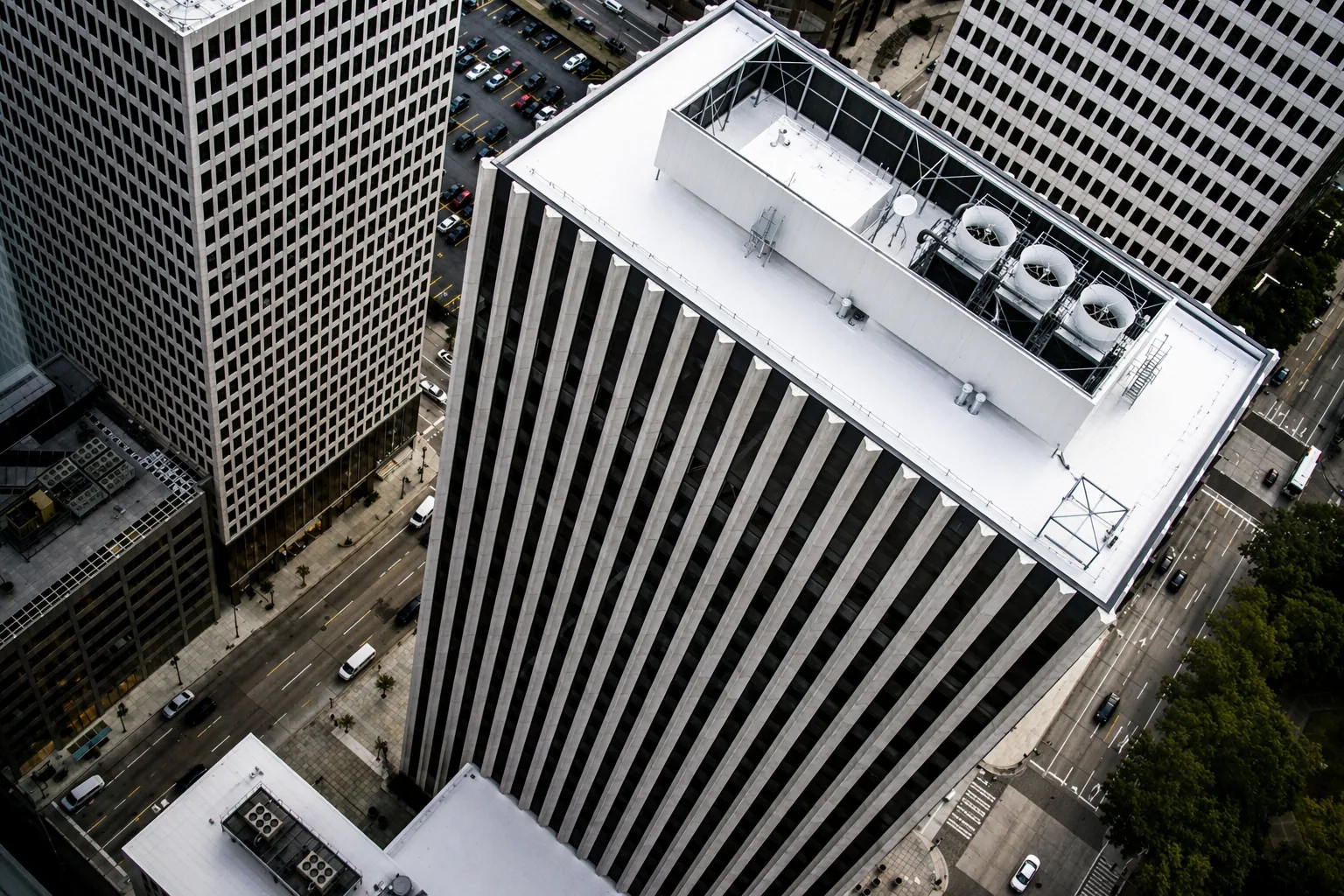
Recurring tidal flooding, low elevations, coastal proximity, and long nor’easters are planning concerns in Hampton’s northeastern neighborhoods. For roof work, the crew checks the building’s own drains, edge metal, and transitions before choosing a repair. This keeps the scope tied to the assembly and water path on the property.
When water is active, we discuss safe access and temporary protection first. A response visit records what was stabilized and what remains for permanent work. The repair window then follows the roof material, weather, and building schedule.