Commercial roofing for Hampton and the Virginia Peninsula

Commercial roofing for Hampton and the Virginia Peninsula
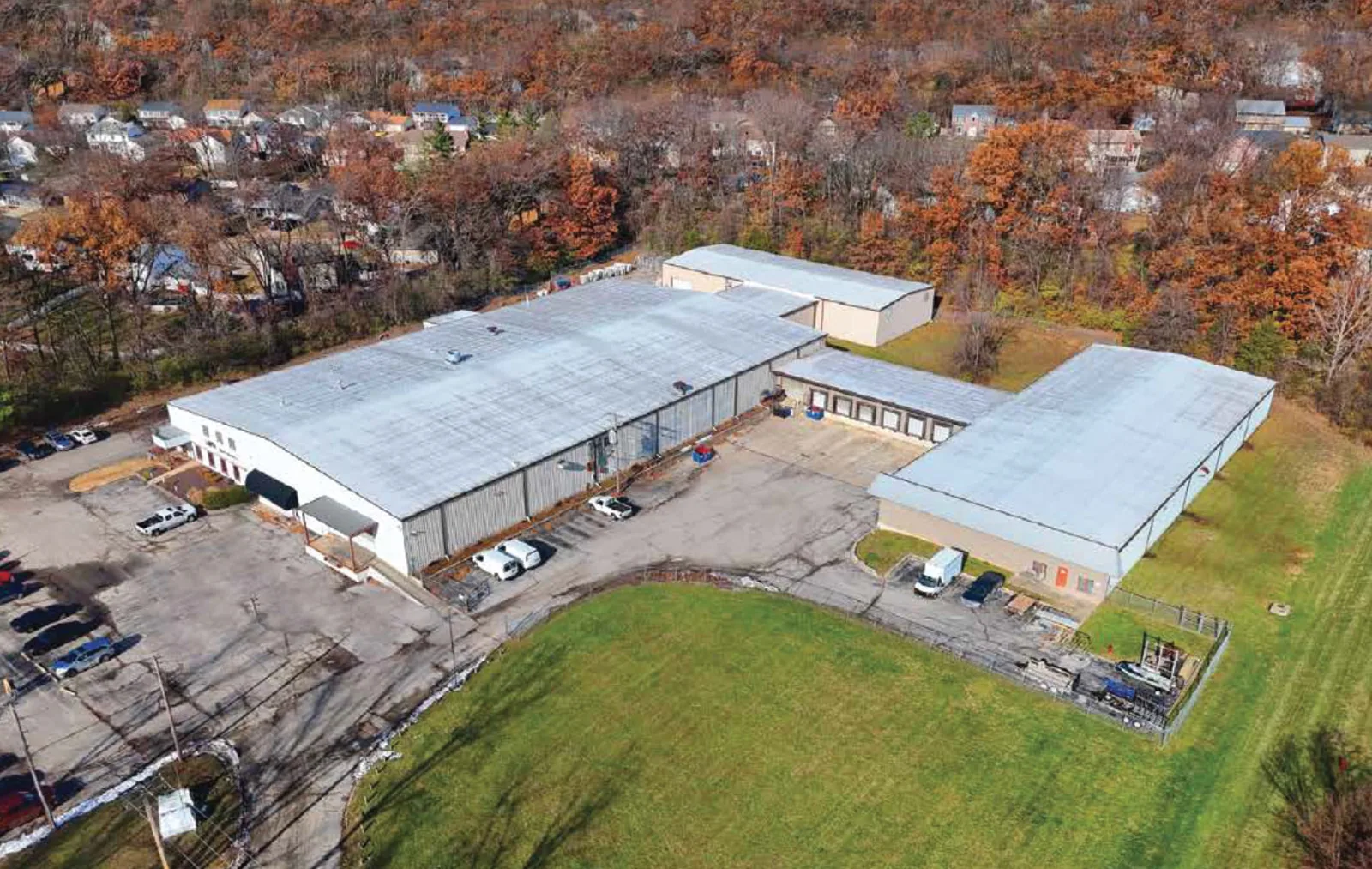
A roof concern in a senior living building needs a response that respects resident routines, staff responsibilities, and the property’s access rules. Start with the reported area and roof zone, record what is visible, and establish who can authorize entry or work. A ceiling mark does not confirm its source; the survey should distinguish roof findings from plumbing, equipment, or other open questions. Hampton’s employment profile includes healthcare services among its significant sectors, and the city’s resilience planning notes coastal and tidal flooding concerns in low-lying areas. At each residence, the inspection should follow the reported area and observed roof conditions.
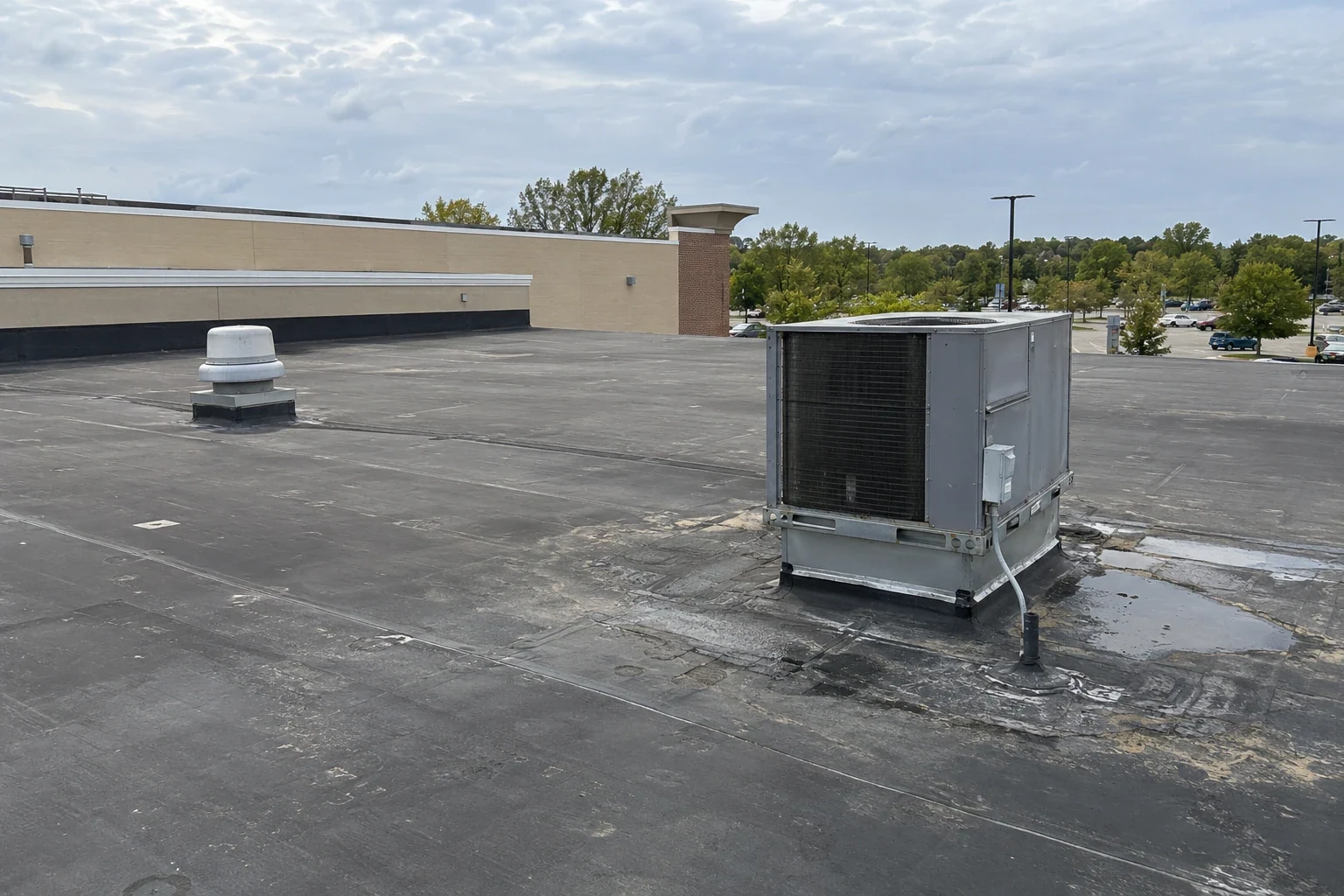
For a senior-living roof review, begin with the property contact’s description of the affected area and any access limits. Compare that report with visible drainage, penetrations, transitions, and prior repair records, then mark what was actually inspected. If the suspected source remains uncertain, request the specific test or interior access needed rather than assigning a cause. Keep resident details out of general contractor notes, photograph only permitted areas, and give staff a concise record of findings and the next decision.
Confirm check-in, escort, roof access, photography rules, and safety procedures before arrival. Keep resident names, room details, and private care information in the owner’s system. A commercial roof inspection should leave staff with a concise record of observations, limitations, and the next decision.
The authorized manager should define work hours, service entrances, staging, roof hatch access, and routes that must remain clear. Identify the staff contact who can approve a schedule change. If a work zone sits over an occupied area, determine what temporary protection, barrier, or notice is required and who verifies it before the roof is opened.
Use a daily sequence that states the area to be exposed, the dry-in point, and the person responsible for closing and checking the work zone. Keep the manager informed if weather or an unexpected condition changes that sequence. These controls help coordinate work; they should not promise an outcome beyond the defined controls that residents will be unaffected. For comparison, the hospital roofing and medical office roofing pages address other occupied care settings.
Before mobilization, identify who can authorize entry to each work zone, how staff will receive a schedule update, and what happens if the property changes its daily routine. The contact list should distinguish the person approving the roof scope from staff coordinating residents or equipment. Confirm whether a temporary barrier, escort, or extra review is required at the end of the shift. If a condition changes, stop at the agreed boundary, protect the exposed area, and request direction before widening the work. Put that response path in the work plan so the crew and property team use the same instructions.
A property may have additions, separate elevations, and roof sections installed at different times. Record the visible membrane or metal system, seams, flashings, insulation transitions, drainage, penetrations, and repair history by zone. If attachment or concealed layers cannot be confirmed visually, say so and identify the next review method. Do not infer the condition of an entire building from one report.
Hampton’s community plan identifies medical-service and mixed-use activity in Coliseum Central and Downtown Hampton. At an assisted-living property, the authorized manager should identify access windows, occupied areas, and approved roof-zone labels before an inspection. Keep resident-level details in the facility’s controlled records; the roofing report needs only information relevant to access and the observed condition.
A repair scope should name the confirmed defect, preparation, compatible material, work limit, resident protection, and closeout check. If the source remains uncertain, separate temporary containment from permanent correction and describe the test or access needed to decide. Avoid replacing a focused diagnosis with an automatic roof-wide recommendation.
For a confirmed leak, a bounded commercial roof leak repair may be appropriate when nearby materials remain serviceable. Wider deterioration can justify comparing replacement or recover as separate options. State assumptions about existing layers, moisture, deck, attachment, height, drainage, insulation, access, and applicable requirements. A commercial roof replacement scope should make removal and protection limits clear.
Before opening a roof section, agree on the maximum exposed area, temporary protection, daily closure time, and who checks the completed dry-in. Identify the contact path if the forecast or a site condition changes. Store temporary material safely and note its location and follow-up requirement so it is not mistaken for the permanent correction.
Hampton’s low-lying neighborhoods face coastal proximity and recurrent tidal-flooding concerns. For each senior-living property, review current drainage and roof conditions at the building. Use current conditions and owner-provided site information to coordinate access, drainage review, and response contacts. A regional fact belongs in planning context, not as a claim that the roof is compromised.
Closeout should identify the roof zone, observed condition, materials, work performed, dated photographs, and remaining owner action. Note whether a visual review or additional test was completed. Use non-sensitive labels in contractor records and follow the property’s process for room-level details. Keep resident communications with authorized staff.
A dated log of repairs and temporary measures can help the next reviewer compare a recurring report with the work previously completed. State which sections were outside the scope and what follow-up is needed. If another trade is responsible for a related system, record the handoff rather than implying the roofing crew controls it.
If testing is proposed, record the method, location, restoration step, and approval needed before starting. The property contact can decide whether that information is sufficient to price a permanent repair. A temporary response should have a responsible person and review date; otherwise it can remain in place after the original report is forgotten. When records involve occupied rooms, use the property’s privacy rules and share only the information needed to authorize work. This keeps contractor closeout useful to maintenance staff without turning a general roofing document into a resident file.
Review seams, drains, flashings, curbs, edges, and repair zones on the owner’s established interval. Keep drainage paths clear under property procedures. Record changes made by mechanical or communications trades and identify who restores the roof detail. A useful maintenance entry names the date, zone, observation, action, and next review instead of promising that future leaks will not occur. The preventive roof maintenance plan should define responsibilities and records.
At a property in Coliseum Central, the authorized manager identifies roof access, the reported area, and the decision needed. Commercial Roofing Hampton can then coordinate a building-specific roof assessment.