Commercial roofing for Hampton and the Virginia Peninsula

Commercial roofing for Hampton and the Virginia Peninsula
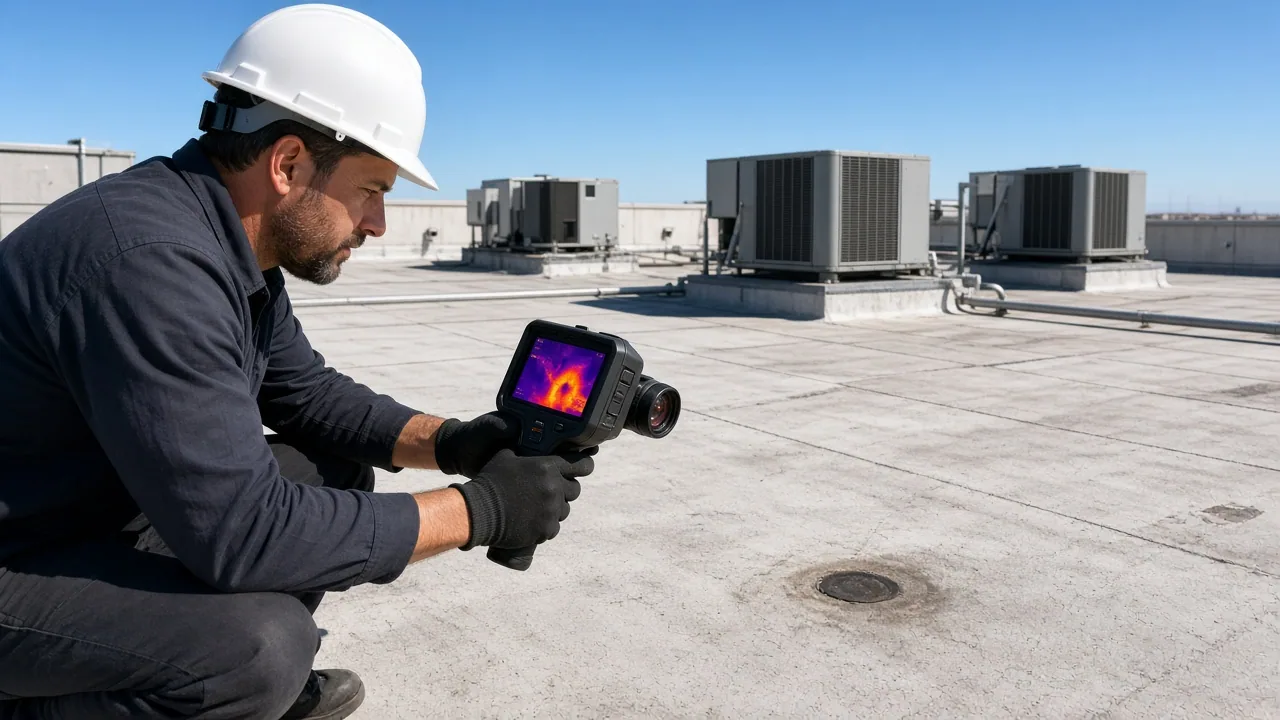
A useful inspection connects each roof condition to a decision the asset manager can make. We walk the membrane, seams, penetrations, edges, drains, equipment curbs, and accessible transitions, then compare those findings with interior signs and available maintenance records. Photographs show the location and scale of a condition. The written report separates active defects, items to monitor, and questions that need testing or a wider opening. In Hampton, where coastal weather and a varied mix of office, research, industrial, and retail buildings affect planning, the inspection should be specific to the assembly and the operation below it.

We start with roof access, safety conditions, and the building’s operating limits. The inspection records membrane type where identifiable, visible repairs, seam condition, flashing transitions, perimeter details, rooftop equipment, and drainage points. We note blocked outlets and standing water, but distinguish a maintenance item from a slope or structural concern. A photograph should be tied to a roof area so the owner can find the condition later.
Interior observations can help test a suspected path. We compare reported leaks, ceiling marks, equipment exposure, and timing with roof details above. A stain does not define the full wet area, and a dry ceiling on inspection day does not prove the roof has no intermittent opening. We state what is visible and what would need testing to reduce uncertainty.
Hampton’s business-park inventory includes office, flex-office, light-manufacturing, research, warehouse, and distribution uses. Those uses can change roof access, penetrations, interior sensitivity, and maintenance priorities. We document the actual building configuration instead of assuming a roof type from its business address.
Infrared imaging can show temperature patterns that may correspond to moisture, but those patterns need interpretation and field confirmation. We review the roof surface, conditions at the time of scanning, and accessible details before marking a test area. If a roof cut is warranted, we agree on its location and how the opening will be restored. Testing should answer a specific question, such as whether insulation is wet beneath a suspect area or whether a recover remains viable.
A drone survey can document broad geometry, hard-to-reach roof areas, and relationships among equipment and drains. It cannot confirm the condition beneath a membrane. Hands-on inspection is still required at seams, flashings, and terminations. We explain what each method can establish so the owner does not confuse imagery with a repair diagnosis.
The report can recommend infrared moisture surveying where it would change the scope. If the concern is a recurring leak, a targeted leak-path review may be more useful. We select the next check from the question the current evidence leaves open.
Hampton’s coastal and tidal setting makes drains, scuppers, perimeter details, and openings worth careful attention. A National Weather Service warning describes inundation risk near Hampton shorelines and tidal waterways, but that regional context does not establish flooding or roof failure at a given property. We record whether the inspected roof has an outlet, flashing, or membrane condition that needs action.
Hurricane Isabel brought major storm surge to Hampton Roads in September 2003. A roof inspection today does not infer damage from that history. Instead, we look for current conditions: loose edge metal, separated laps, displaced flashing, blocked drainage, and previous repairs. The report identifies any observed defect and avoids converting area-wide weather history into a building-specific claim.
National Weather Service normals for Norfolk show July daily average high temperatures near 89 degrees Fahrenheit. That is a Norfolk station figure, not a Hampton roof measurement. Heat exposure is a useful reason to review movement, surface condition, and flashing transitions, while the roof itself determines what is reported. Hampton’s Coliseum Central and Copeland Industrial Park illustrate different commercial settings, but each inspection follows its own observed assembly.
A strong report describes condition, consequence, recommended action, and timing. We separate immediate water control from maintenance and capital items. For each finding, photos show the roof area, while the text explains whether the defect is active, whether testing could change the conclusion, and what repair would restore continuity. If several areas share a cause, we show the relationship without treating every symptom as an independent opening.
Virginia’s 2021 Uniform Statewide Building Code took effect January 18, 2024, and applies to maintenance, repair, and renovation as well as new construction. An inspection is not a code determination, but the report gives the owner and design team a record for reviewing a planned scope. We note where a replacement or significant alteration needs coordination beyond the immediate repair.
The owner can use the record to plan a roof replacement, request a defined repair scope, or schedule preventive roof maintenance. A condition report is most useful when each recommendation points to a specific roof area and decision. We assign urgency when active water, loose details, or blocked drainage changes risk to the occupied space. That helps the asset manager schedule the right action before a small condition spreads into a larger operational interruption.
We coordinate roof access, escorts or keys where the property requires them, occupied hours, and sensitive equipment below. A report can note an area that needs a later visit when access is unavailable, rather than implying that it was inspected. If the roof serves a medical, research, retail, or manufacturing operation, we agree on how work will stay clear of people and equipment.
Hampton describes office and medical-service buildings in Coliseum Central and research and light-manufacturing activity across Hampton Roads Center. Those uses make the building contact’s access rules part of the inspection plan. We do not use an area label as a substitute for checking the specific roof.
After the walk, we can review findings with the asset manager and distinguish a repair that can be scheduled now from an item needing budget or testing. If conditions change before the work window, a focused recheck may be appropriate. The report records the inspection date and observed state so later comparisons use the right baseline.
We also ask for any roof plan, prior repair record, and equipment list the owner can share. Those documents help locate drains, penetrations, and previous work before the crew arrives. When field layout differs from the records, we note that difference rather than treating the plan as current. This comparison can reduce repeat visits and connect present findings with earlier maintenance decisions.