Commercial roofing for Hampton and the Virginia Peninsula

Commercial roofing for Hampton and the Virginia Peninsula
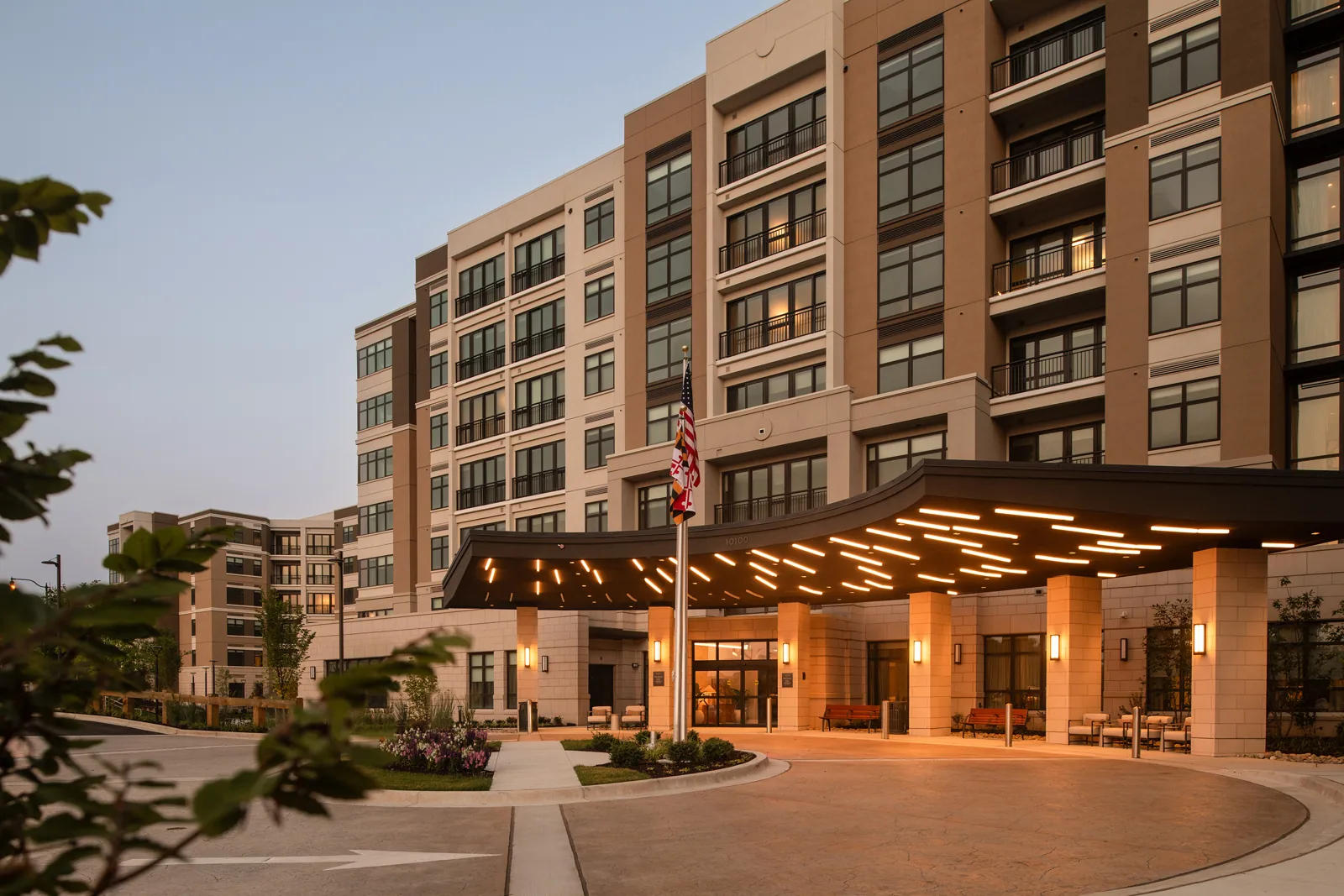
Hotels need roof work planned around guest areas, service routes, equipment, and the property’s approved access rules. When a leak is reported, identify the affected room or common area, confirm the roof zone, and record what is visible before choosing a repair. Water can travel beyond its entry point, so an interior stain should guide the inspection rather than predetermine its result. Arts and accommodation are among Hampton’s major employment sectors. The local market context is broad; a hotel’s assembly, access requirements, and operating contacts must be confirmed at the property.
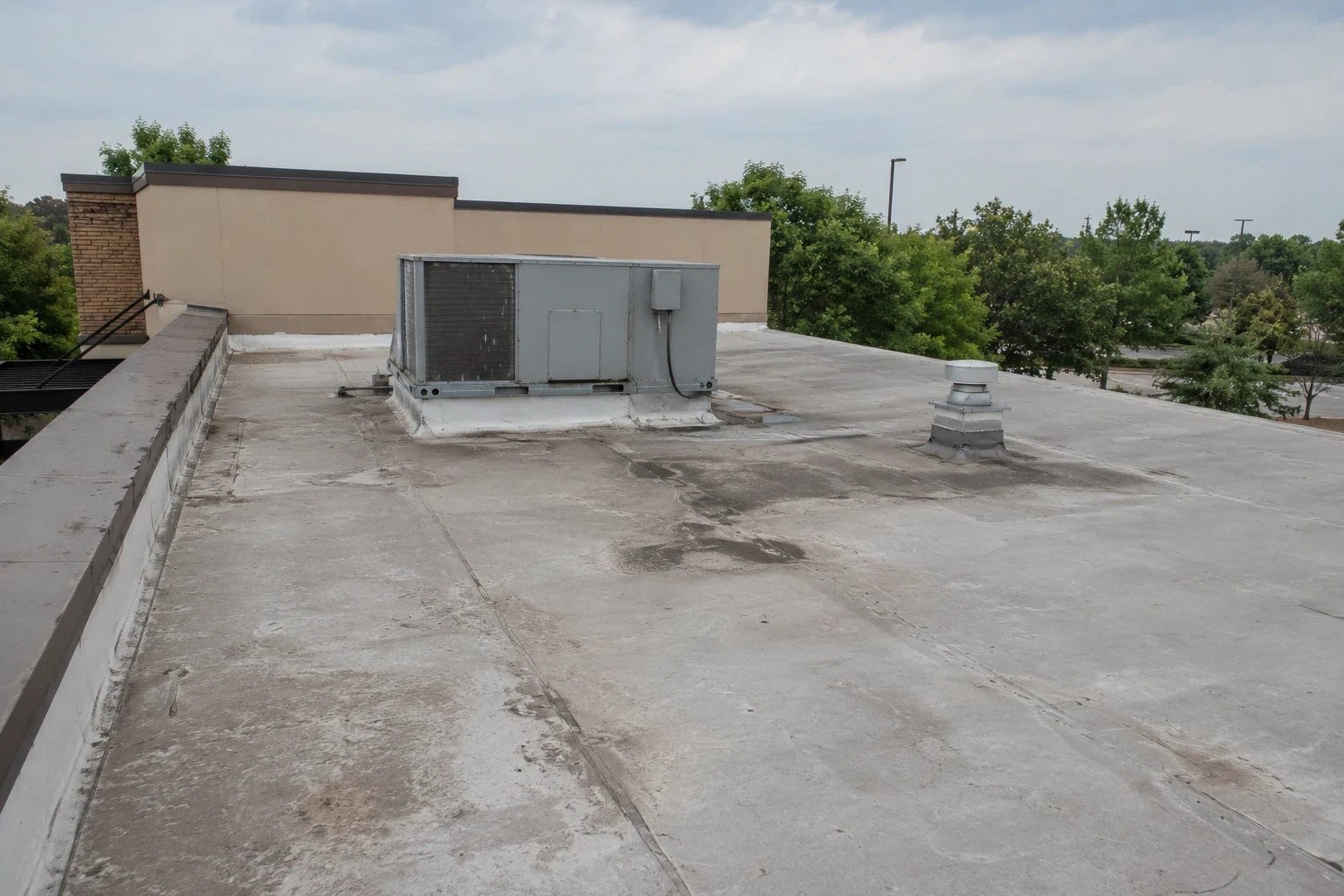
Record the report date, interior area, ceiling condition, nearby equipment, and recent roof or mechanical work. On the roof, check seams, penetrations, curbs, drains, parapets, edges, and previous patches. Photograph the observations by zone and identify any area that could not be accessed. Separate confirmed defects from questions that need interior access, moisture testing, or another visit.
Before arrival, confirm check-in, escort, roof access, photography limits, and the procedures for occupied areas. A commercial roof inspection should give the owner a clear record of findings, limits, and next decisions without exposing guest or security information.
Property teams can make the work boundary easier to communicate by labeling affected roof zones and noting which floor or common area sits below each one. Decide how deliveries, temporary barriers, and lift or ladder routes will be handled, and who can answer a guest-impact question during the shift. The roofing crew should work from the contact’s approved instructions and report a changed condition before proceeding beyond the agreed area. At closeout, remove temporary protection only after the responsible person confirms the area is ready for normal use.
Coordinate crew entry, material delivery, waste removal, staging, roof hatch access, and routes that must remain clear. The authorized contact should identify quiet hours, restricted zones, and the person who can approve changes. If a work area sits above guest rooms or common space, define the affected boundary, interior protection, notice responsibility, and daily closing point in advance.
Set a sequence that opens only an area the crew can close under the agreed conditions. Record who checks temporary dry-in and how the manager receives updates if weather or property operations change. A scope can describe planned controls and responsibilities; it should not promise that guests will never hear work or that all services will remain unaffected.
Operating needs also differ by building use. Compare restaurant roofing and apartment roofing when reviewing kitchen exhaust, residential access, and shared service paths. The hotel-specific plan should still identify its own contacts and work windows.
Rooftop HVAC, kitchen exhaust, communications equipment, service lines, and supports can intersect roof membranes and metal details. record visible curb flashing and any recent trade work. Confirm the responsible equipment contact, permitted shutdown window, and access needed before a crew disturbs a support or penetration. If the roof visit is visual only, state that limit.
When an equipment detail is part of the scope, assign responsibility for shutdown, temporary protection, flashing restoration, and final review. A rooftop equipment curb and support review can identify the roof work and the coordination needed with the owner’s equipment vendor.
A localized repair can address a confirmed seam, flashing, curb, or drain problem where surrounding materials remain serviceable. State the preparation, compatible materials, work limit, access, interior protection, and closeout step. If the leak entry point is uncertain, separate temporary containment from permanent correction and identify what test would resolve the question.
Map proposed work against guest routes, occupied rooms, amenities, and service access, then give the manager a sequence with daily stop points. Price any confirmed repair independently from renewal. Existing layers remain only if inspection supports them; where removal is proposed, list access effects, protection, debris movement, and the dry-in check. Handle commercial roof leak repair as a defined line with room or amenity controls. If the build-up can remain, roof recover and overlay needs its own inspection basis and guest-route schedule. A commercial roof replacement alternative should spell out removal, daily closure, and service access.
Before work opens the assembly, name the maximum exposure area, temporary protection method, responsible checker, and time the roof must be closed. Include a contact path for weather changes and the next inspection point. Keep materials inside approved staging limits and identify the sequence for protecting guest or service areas below.
Downtown Hampton lies along the Hampton River at the mouth of Hampton Roads Harbor. That geographic context can inform a conversation about site conditions, but it does not prove that a particular hotel has flooding or roof damage. Use the owner’s site information and current conditions for planning, and keep observed weather separate from roof findings in the record.
Closeout should identify the roof zone, condition observed, work performed, materials, dated photographs, and remaining owner actions. Record any access limits and whether visual review or testing was completed. If the scope covered only one room or roof area, say so. Avoid broad statements that imply the entire roof was inspected or that future leaks are impossible.
Use the hotel’s approved system for room-level or security-sensitive information. The property manager can keep guest details, access codes, and private contacts in approved records while the roofing scope identifies only the work area. A consistent map and record help the property team compare future reports with the work already authorized.
Hotel maintenance planning should connect roof records to room blocks, additions, and rooftop equipment changes without assuming that every wing shares the same assembly. Keep separate maps where elevations or repair histories differ, and record what could not be accessed during each visit. If work by HVAC or sign trades changes a curb or support, record who restores the weathering detail and who reviews the handoff. The property manager can set the next inspection date based on the roof system, prior findings, and operating calendar.
Downtown Hampton and Coliseum Central are broad district references that can orient a local service request, not individual properties. Commercial Roofing Hampton can coordinate a visit after the authorized manager defines access, the reported area, and the decision required. In Downtown Hampton, we confirm the roof section and property access before setting the work window.
For a property with several additions, keep separate roof maps when the assemblies, elevations, or repair histories differ. A dated record can identify who reviewed each area, what remained inaccessible, and which photos support the conclusion. This lets the manager prioritize the next visit without assuming that one repaired section represents the whole building.
When materials are moved, verify that drains remain clear and that the work area is left in the condition authorized by the property contact.