Commercial roofing for Hampton and the Virginia Peninsula

Commercial roofing for Hampton and the Virginia Peninsula
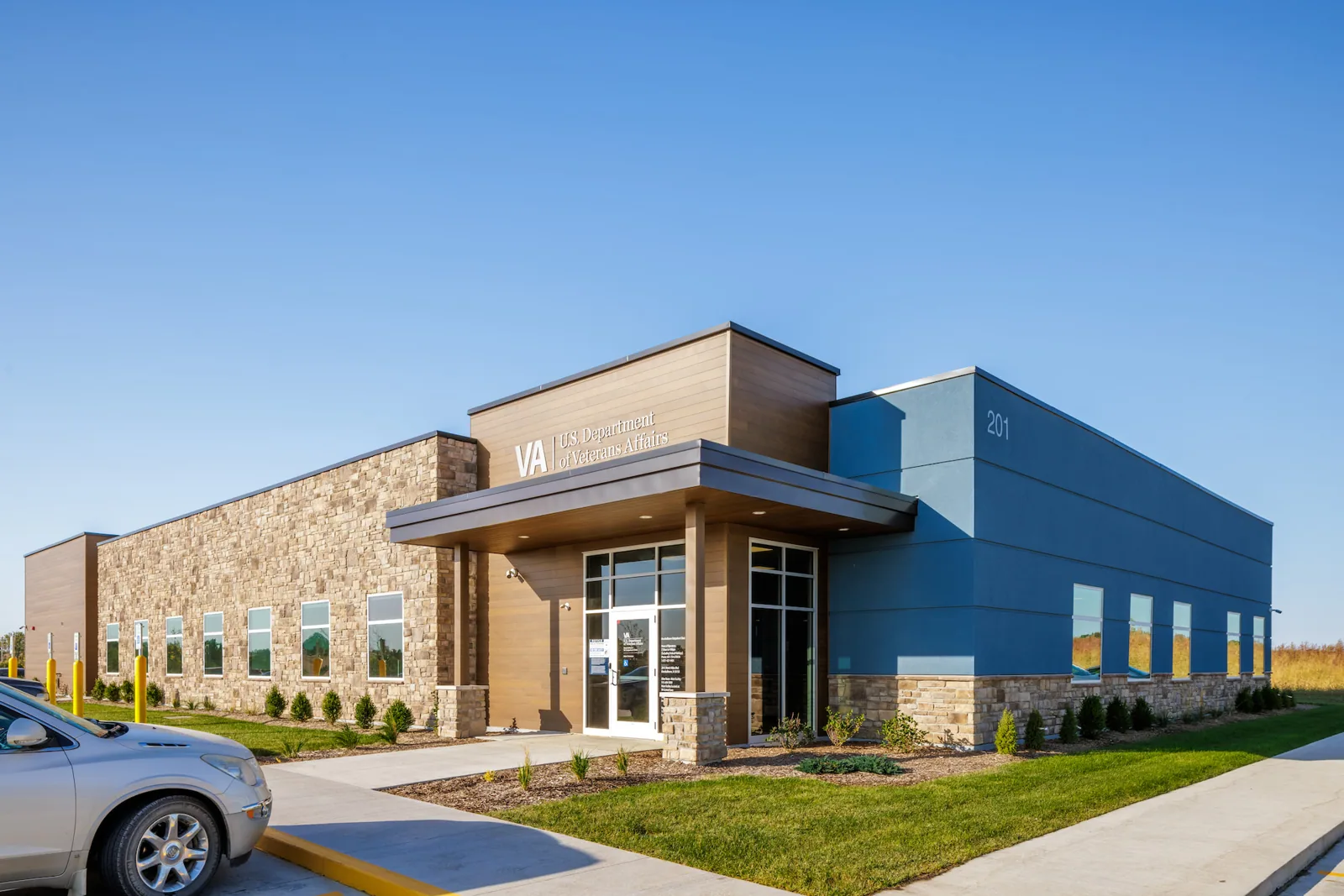
Showroom lighting and service traffic can make a dealership roof scope different from a typical retail repair. Start with the reported area, roof section, and any recent equipment or skylight work. Inspect visible seams, drains, curbs, and transitions, then separate confirmed conditions from questions that need testing. Mercury Boulevard, King Street, and Pembroke Avenue are major Hampton commercial roads. For a dealership, confirm the actual entrance and roof-access route before setting arrival. The visit still needs the actual building’s access rules, operating schedule, and roof history before a work boundary is set.
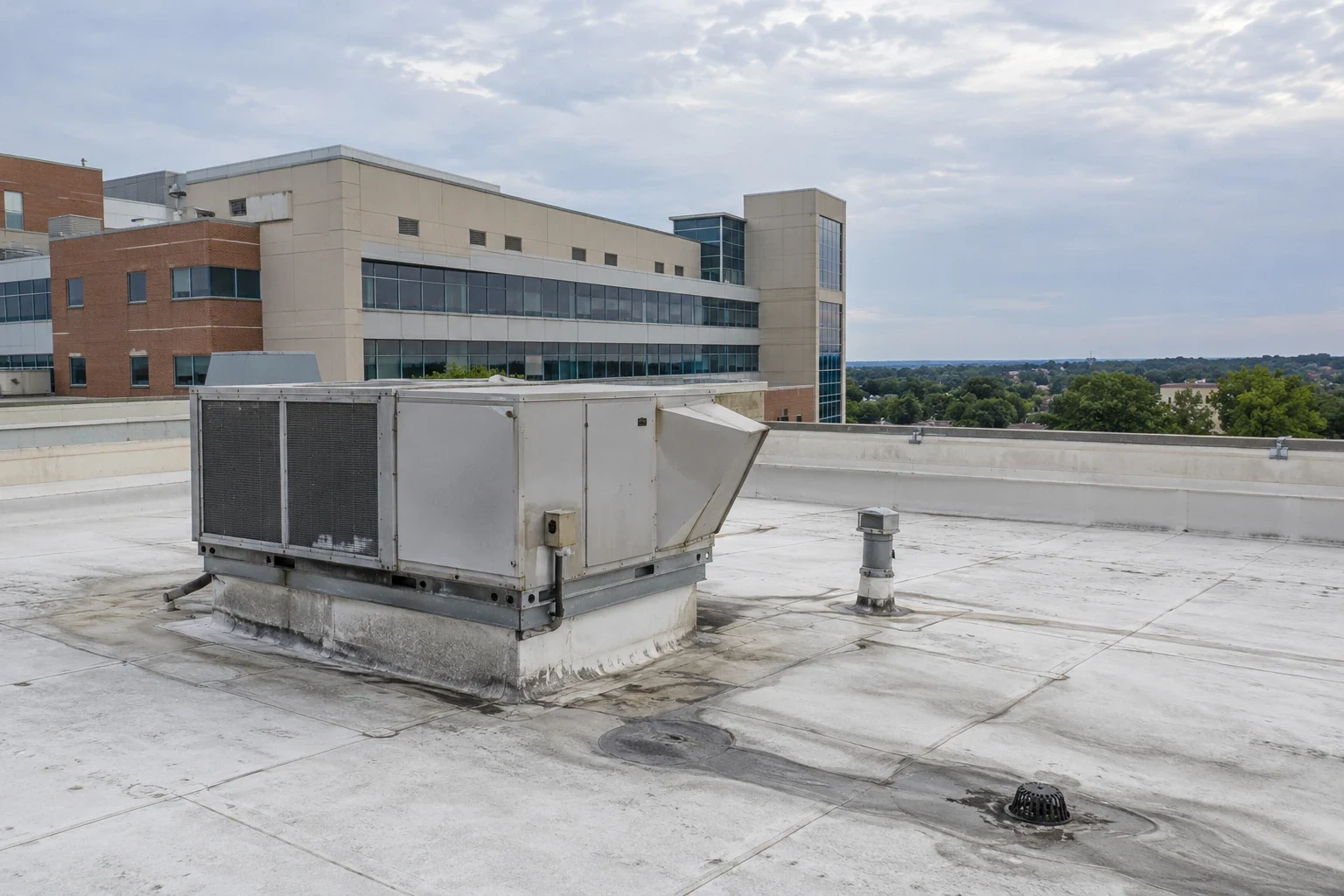
Record the report date, interior area, nearby equipment, visible ceiling condition, and recent work. Review accessible roof zones, seams, parapets, flashing, drains, penetrations, and prior patches. If skylights or translucent panels are present, note their visible condition and the access limits for close inspection. Do not treat a stain near a unit or panel as proof of the entry point.
Confirm check-in, roof access, photography, service-bay restrictions, vehicle routes, and safety procedures with the authorized manager. A commercial roof inspection should map findings by zone and state what needs further access or testing before a permanent scope is selected.
Before mobilization, agree on crew entry, delivery timing, staging, waste handling, roof hatch access, and areas that must remain open. Identify who can approve a schedule change. If a lift, ladder, or overhead protection affects a vehicle path, define the boundary, duration, alternate route, and person who verifies its removal.
Service bays may have equipment or work processes that require coordination by the dealership’s own representative. Confirm which contact can approve any shutdown, interior protection, or noise window. Set daily start and stop points, the maximum exposed area, and the dry-in check. Describe planned controls without promising that operations will never be interrupted.
Other retail building types have related but distinct access needs. Compare shopping center roofing and big-box retail roofing for shared customer and delivery routes; the dealership plan should account for its own showroom and service areas. Confirm who moves vehicles or equipment away from a work zone, how the manager will verify clearance, and where a temporary restriction can be posted. Keep the route plan current if a service schedule changes during the project.
Dealership buildings can combine wide showroom areas, office sections, and service space, sometimes with different roof details or repair histories. Record observable membrane or metal conditions, seams, edge metal, insulation transitions, drains, equipment curbs, and penetrations by zone. If an assembly cannot be confirmed visually, list the inspection or testing needed instead of inferring construction from appearance.
Retail is among Hampton’s key industries, alongside advanced manufacturing, aerospace, homeland defense and security, healthcare, professional services, and other commercial activity. When daylighting details require review, a skylight and penetration flashing scope should identify the observed panel or curb, access, and limits.
A service-bay leak can interrupt vehicle work even when the roof defect is small. After the entry point is confirmed, the scope should name the affected bay or roof zone, compatible materials, preparation, vehicle-protection limits, access window, and closeout evidence. If testing is still needed, separate the diagnostic visit from permanent repair so the service manager can plan around both.
For wider deterioration, compare a repair with coating restoration, recover, or replacement only when the assembly and owner’s goals support those options. A recover depends on existing layers, moisture, deck, attachment, height, drainage, and applicable requirements. Replacement scope should identify removal depth, skylights, equipment, staging, and protection. Related scopes include commercial roof leak repair, roof coating restoration, and commercial roof replacement, each with separate assumptions.
If a repair must be phased, list the zones, mobilization points, protection between phases, and the owner decision needed before each next area opens. Price the scope so the manager can see what changes with access, staging, or added testing.
Record the named contact and closeout check for every phase. State work that remains with another trade, the return-visit date, and the person who approves the next step.
Set the maximum roof area that can be exposed, the temporary protection method, and who confirms closure at the end of a shift. Identify a contact path for changes in forecast or operating schedule. Stage materials inside approved limits and protect vehicle or service routes below. Date and locate temporary work so the owner knows what remains.
Flood warnings for low-lying Hampton areas beside shorelines and tidal waterways have described inundation from two to three feet. Before scheduling a dealership repair, the manager confirms current access and weather conditions. The work record notes how any interruption affects roof closure and service-bay routes, then identifies the next safe visit window.
Closeout should identify the roof area, observed condition, material, work performed, dated photographs, review limits, and remaining owner action. Note any showroom, service, or equipment area that was outside the approved scope. Use the manager’s building labels so the next reviewer can find the same location without relying on informal descriptions. Photograph the affected membrane, nearby seams and curb, plus a broader roof view; repeat the same angles after repair. Closeout images can then show where the crew opened the roof and how the repair ties into adjacent material.
Keep repair records focused on the roof zone, work performed, approval, and operating impact needed for coordination. Record any change order and authorization before added work is performed.
A complete record links the service ticket to the roof zone, observed detail, approved scope, and dated completion photos. Note whether skylight glazing, equipment supports, drains, and adjacent seams were included or left outside the visit. If the crew finds a condition beyond the authorization, record the location, temporary protection, and approval needed before proceeding. Identify who will accept the closeout and where it belongs in the property’s maintenance file. This prevents a repair receipt from being mistaken for a whole-building survey and makes later comparison more useful.
Review seams, drains, skylights, curbs, penetrations, and previous repair zones on the owner’s inspection interval. Keep outlets clear under the property’s maintenance procedure. When lighting, HVAC, or other trades change a roof detail, record who restores flashing and who verifies the handoff. Use a dated entry with location, finding, action, and next review rather than promising that leaks cannot return.
For a dealership along the Mercury Boulevard corridor, share the entrance, roof-access point, operating window, and decision deadline before scheduling an assessment.