Commercial roofing for Hampton and the Virginia Peninsula

Commercial roofing for Hampton and the Virginia Peninsula
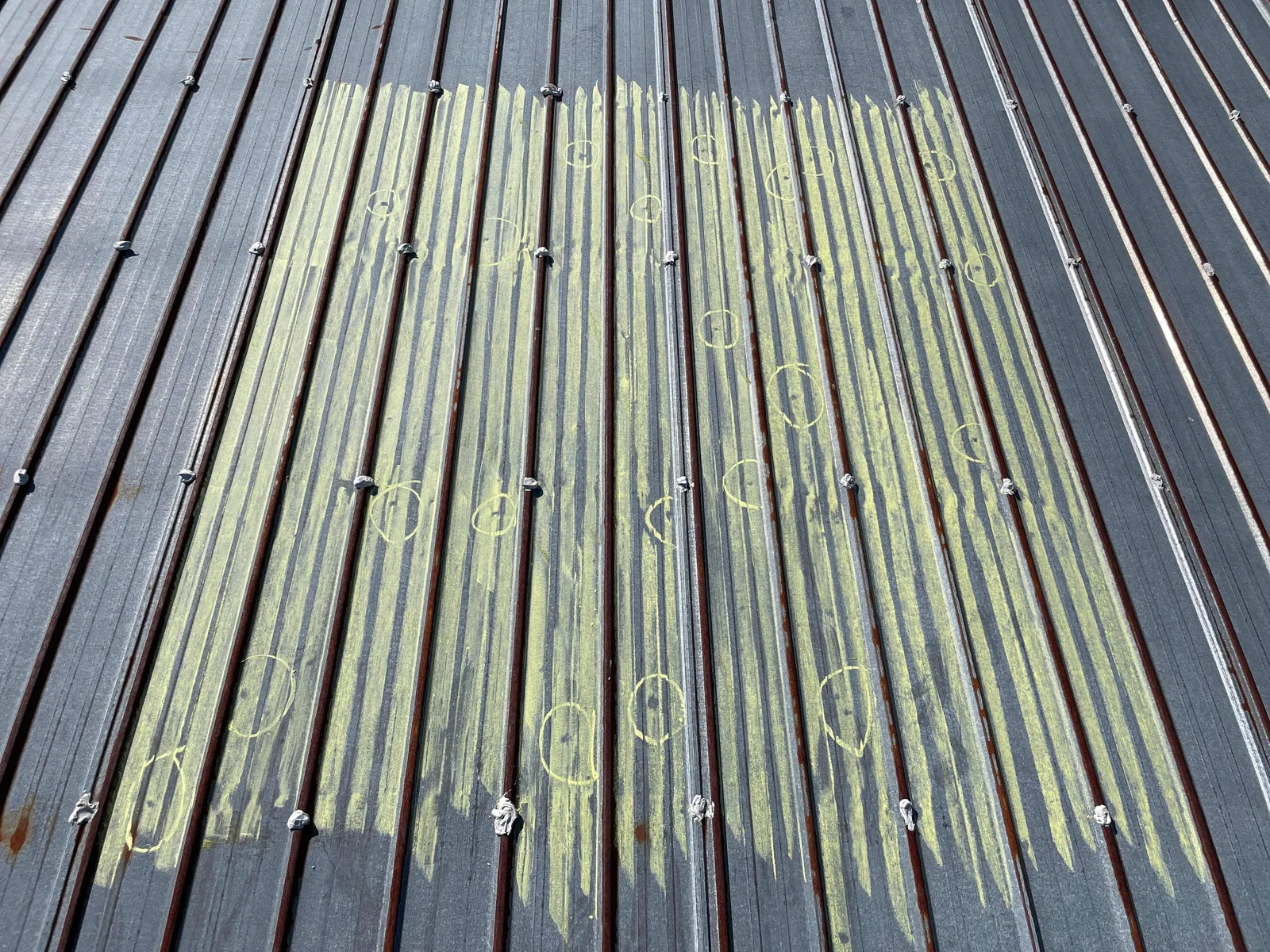
Water moving through an occupied building changes the first decision: what must be protected now. We ask which rooms, equipment, inventory, and electrical areas are affected, whether water is still entering, and what roof access is available. The crew checks safety and weather before going up, then traces the opening through nearby seams, curbs, drains, and edges. If a permanent repair cannot be installed at once, we explain the temporary measure and record the follow-up required. An emergency visit should leave the asset manager with control of the immediate risk and a documented next step.
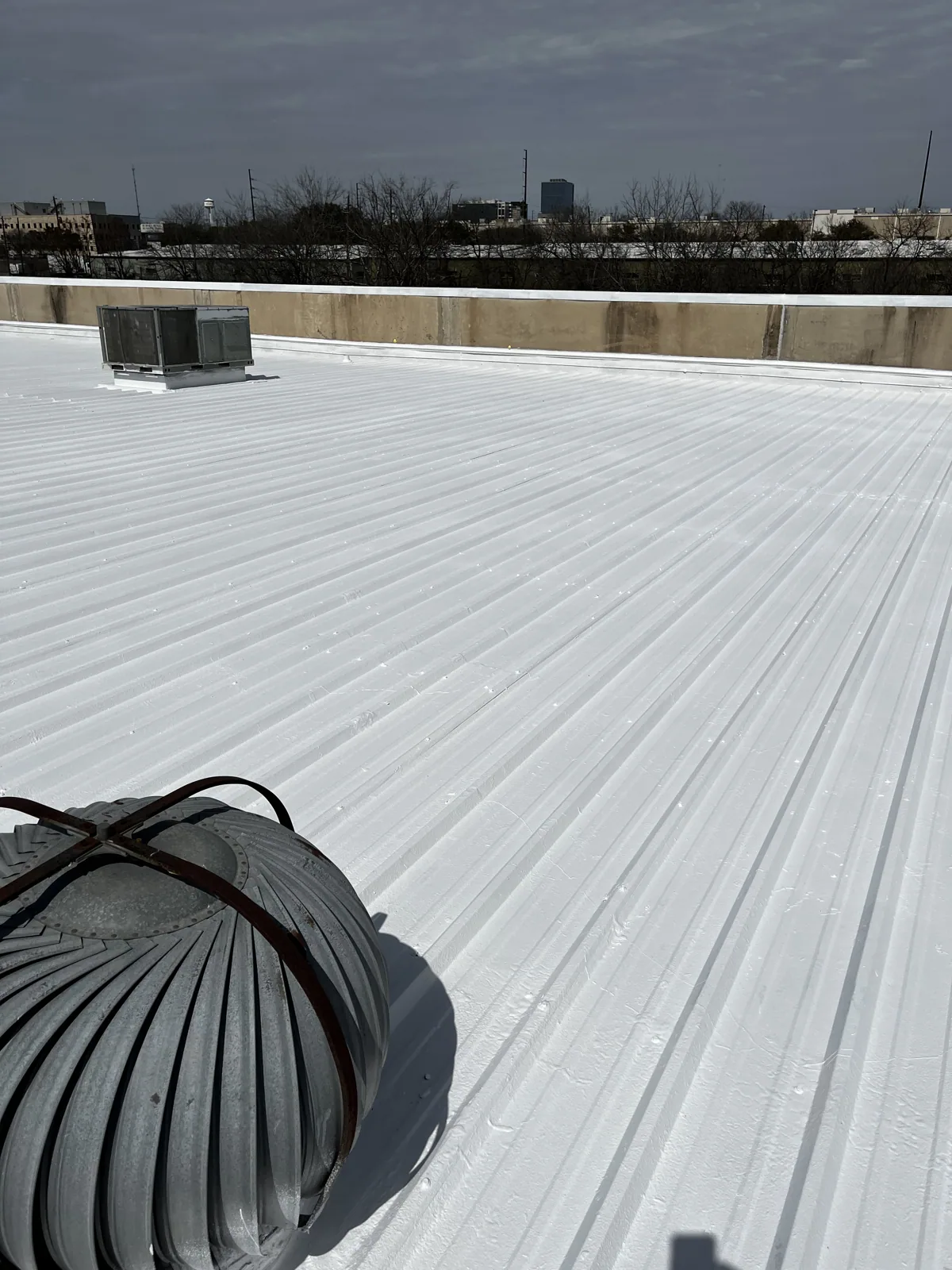
Start by moving people and movable contents away from active water. Protect equipment only when that can be done safely, and keep staff off a wet roof. If water is near electrical systems, follow the facility’s safety process while the roof team prepares access. We need the location, timing, current activity, and any restrictions before setting a response plan.
On arrival, we determine whether the roof can be accessed and which area can be checked safely. The inspection follows the likely water path beyond the ceiling stain. Water can travel along insulation, deck flutes, piping, or framing. We photograph what we find before changing the roof detail, and we explain if interior protection or a temporary dry-in is the first action.
Hampton is a coastal city where tidal and stormwater flooding can affect low areas near waterways. National Weather Service warnings describe inundation risk in Hampton-area coastal zones. That does not prove the roof caused a current interior leak. The team separates water entering through the roof from conditions that may involve drainage or ground-level flooding, then identifies what the building can address immediately.
A temporary cover, compatible patch, or controlled diversion may reduce active entry when the surface and weather allow. The method depends on the membrane, wind, access, and condition of the surrounding roof. We avoid trapping water under a patch or loading a vulnerable roof with an improvised cover. If conditions make roof access unsafe, we say so and focus on steps that can be taken from inside until a safe window opens.
Temporary work gets its own photos and limits. The record states what was placed, the area it covers, and whether permanent repair remains. It notes follow-up inspection or testing needed after the roof dries, giving the building team a clear handoff.
For a permanent fix, the surface must suit the selected materials. We remove loose material, inspect the seam or flashing, and reconnect the water-shedding layer. If wet insulation, failed attachment, or a damaged deck extends beyond the opening, we document it and present the scope change.
A puncture, open seam, failed curb flashing, displaced edge, or blocked drain calls for a different response. We look for a path that connects the roof condition with the interior report. On a membrane roof, the crew checks lap bond, patch edges, penetrations, and terminations. Metal roofs need review of fasteners, panel laps, closures, and movement. The repair material must be compatible with the existing assembly.
Drainage can complicate an emergency call. We inspect scuppers, drains, overflows, and low points when access permits. A backed-up outlet may need service; recurring ponding may require a broader slope or structural evaluation. We can include drain and scupper service when the findings support it. A leak patch alone should not stand in for a drainage correction that remains open.
When a leak interrupts loading or production, we agree on the safe route before moving materials or staging a cover. Temporary protection must reach the opening without blocking access the building needs to keep running. The site contact identifies the work boundary, and we confirm whether permanent repair can follow during the same visit.
An urgent repair still needs a clear route, a controlled work area, and a contact who can approve a change. We coordinate keys, escorts, roof hatches, interior protection, and restrictions on noise or equipment shutdowns. The crew identifies where materials will be staged and how open work will be closed if weather interrupts the shift.
At Coliseum Central, the facility contact can identify which entrance, room, or operation needs priority during an emergency repair. Interstates 64 and 664 meet beside Copeland Industrial Park, and the city notes some rail access within the park. Before temporary protection, we confirm the active loading route and staging area. The site team confirms its operating limits.
For a building that cannot pause, repairs can be divided into a temporary containment visit and a scheduled permanent detail. We state which part is complete and which item remains open. A commercial roof inspection can expand the record when there are several openings or earlier repairs to compare.
Emergency work can happen during rain only when the roof is safe and the method can perform under those conditions. Some membranes require a dry, clean surface for a lasting bond. Wind can also make a cover or sheet unsafe. We explain whether the crew can stabilize the opening now or must wait for a better window, and what the building should protect in the meantime.
Hampton Roads experienced major storm surge during Isabel’s September 2003 passage. Regional storm history makes readiness planning relevant, but it does not identify the cause of any current leak. A roof walk, photos, and a connection between the observed defect and reported water are still required. We keep weather context separate from the diagnosis.
The statewide building code in Virginia covers repair and renovation work as well as new construction. If the work grows beyond a localized emergency repair, we coordinate the relevant review with the owner and design team. The first response does not bypass the requirements for the permanent scope.
The service note should show the reported area, what the crew found, temporary measures, permanent work completed, and any condition that remains unresolved. Photos should identify the detail rather than present a roof-wide view with no reference point. We can list the materials used and any limits on the repair so the asset manager has a useful record for future inspections.
If a recurring opening remains difficult to trace, a targeted infrared moisture survey may help locate patterns for field verification. A broader commercial roof repair plan can group other documented defects by urgency. Neither service replaces the initial diagnosis; both extend the record when the immediate risk is controlled.
We also tell the building contact what observation would trigger another call. If water returns at the same detail, note the time, weather, and affected room. That information can help compare conditions without asking staff to inspect the roof themselves.