Commercial roofing for Hampton and the Virginia Peninsula
Commercial roofing for Hampton and the Virginia Peninsula
A loose curb flashing, a drain that keeps backing up, or water crossing an occupied room changes the next roofing decision. Commercial Roofing Hampton is a commercial roofing contractor serving Hampton, VA, and nearby planned service areas. We repair, replace, recover, restore, coat, inspect, and maintain low-slope and metal roofs. The first call identifies the affected area, current water activity, access limits, and the next operating deadline. A roof visit then turns those details into field findings and a practical choice for the property.
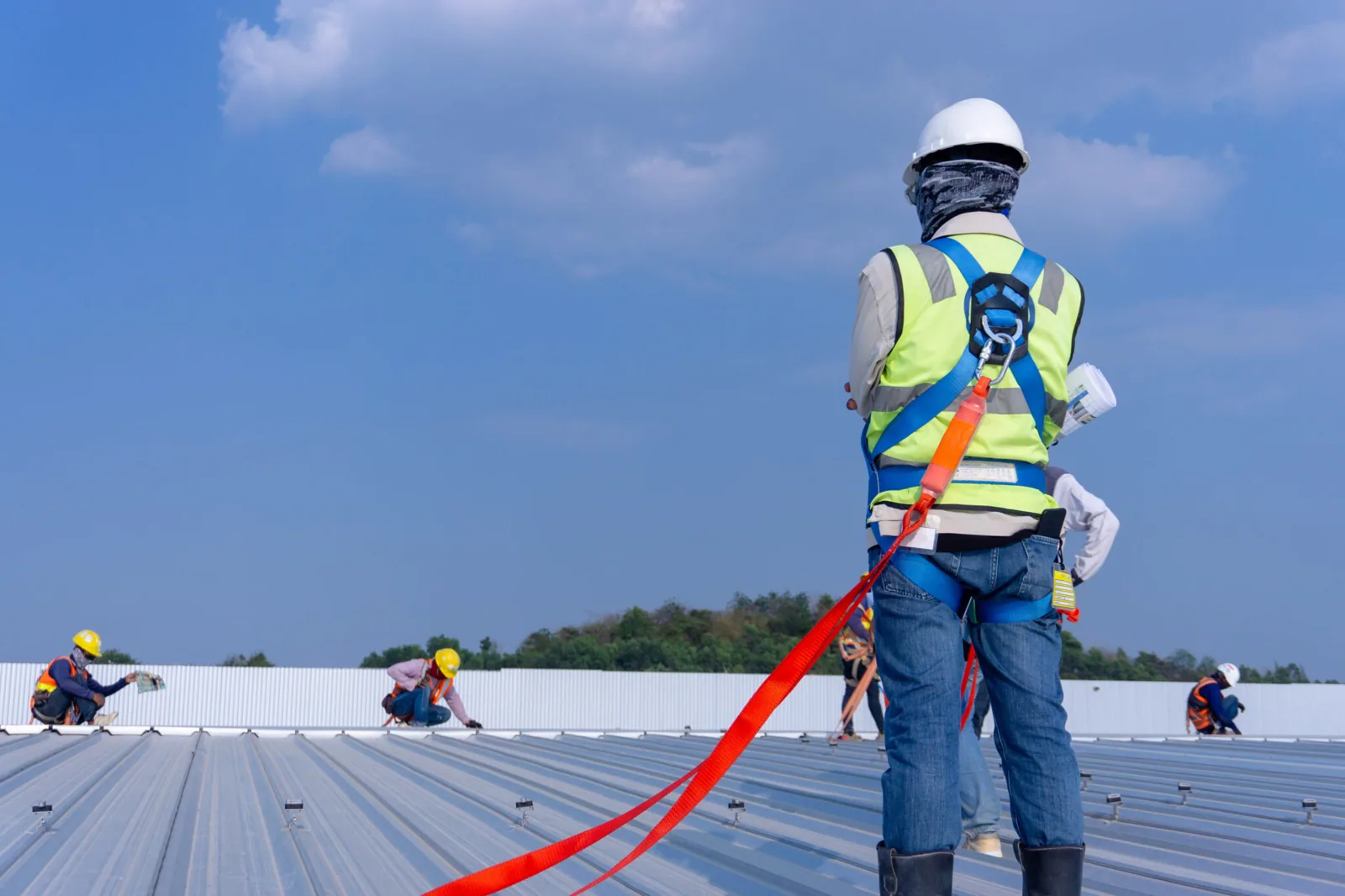
Hampton’s business parks support work ranging from research and flexible offices to warehousing and distribution. Office, retail, medical-service, and mixed-use buildings appear in Hampton's plans for both Coliseum Central and Downtown. That affects roof access and noise controls as much as the assembly. We ask about occupied rooms and deliveries before mapping an inspection. That range matters on a roof. A medical office may need quiet access and protection below, while a distribution operation may need a clear route for deliveries and rooftop service. The inspection records the building use alongside the assembly so the work sequence is grounded in how the property runs.
Hampton places its most intensive industrial uses around Copeland Industrial Park and Bright’s Creek. The two interstate routes meet beside Copeland, and the park has some rail access. Before staging near active operations, the site contact can confirm gate procedures, delivery periods, and the safest roof route. Those details shape mobilization; an inspection of the installed assembly sets the repair boundary. We serve properties across commercial corridors and parks without assuming the same roof type or condition at each address.
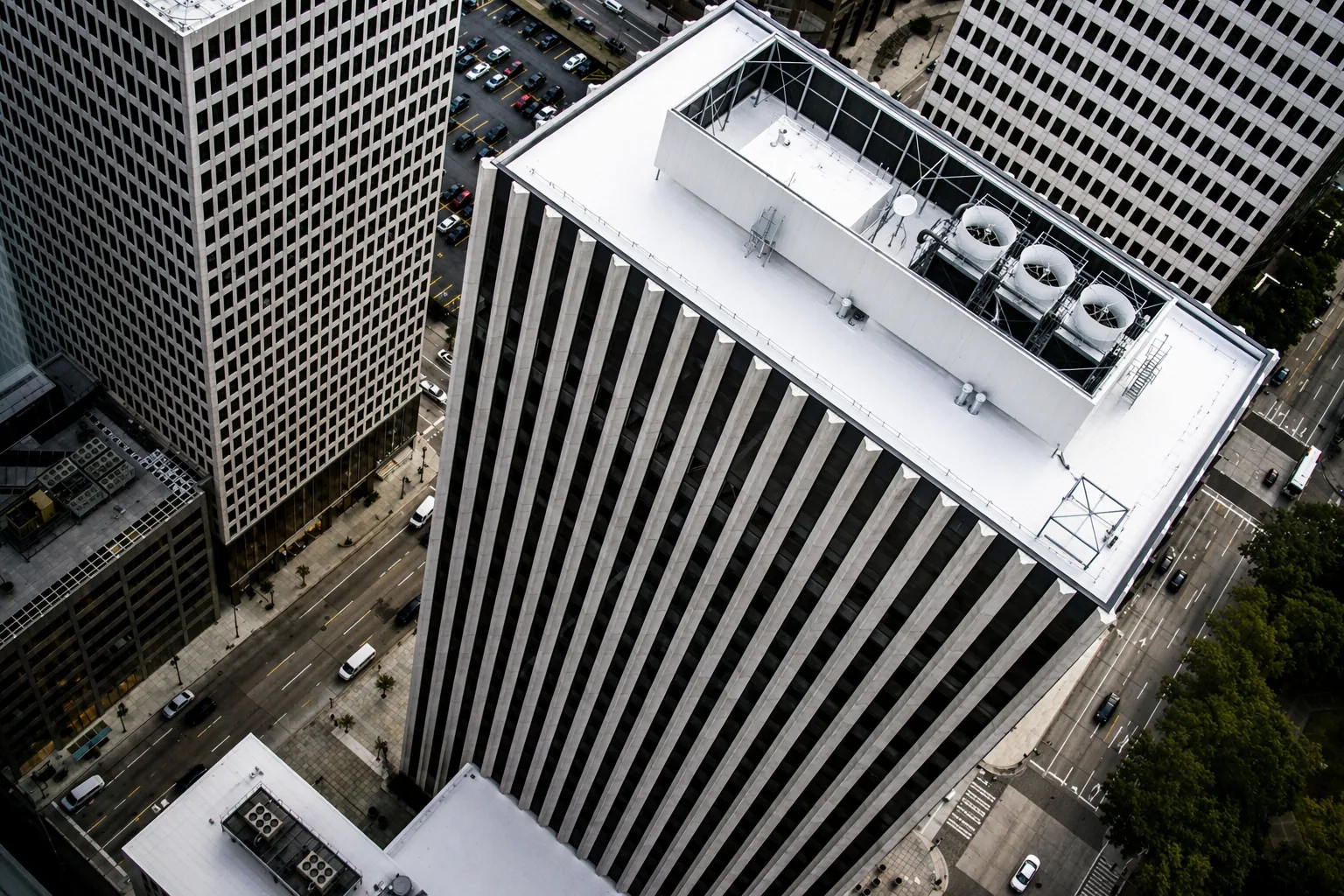
Water inside a building does not always enter directly above the stain. The crew checks the roof surface, seams, curbs, pipes, drains, edges, and transitions, then follows the likely path through the assembly. We photograph what is visible and identify questions that need moisture testing or selective opening. A commercial roof inspection can establish the condition of the roof and the limits of what was accessible that day.
We use drone imagery where roof geometry, safe access, and airspace rules make it useful. Infrared patterns can help identify areas for closer review, but the field team still has to assess the material and details. A written condition report connects each photo to a repair or follow-up action. If water is active, our emergency response begins with safety and temporary protection before permanent work is planned.
A localized defect can be repaired when the surrounding material remains serviceable. Before patching, we check whether the opening is at a seam, penetration, curb, drain, or perimeter transition and whether nearby layers are wet or displaced. If a problem repeats across the roof, we compare repair with a larger scope. A replacement review considers tear-off and recover only after moisture, attachment, deck, drainage, height, and code questions are addressed.
Some roofs may suit restoration or a coating after preparation and repairs. Others need sections removed to inspect the deck or rebuild a detail. We explain what remains, what changes, and where the work stops. A coating assessment should identify the compatible substrate and limits before pricing. For multi-year decisions, a capital plan can rank projects by observed condition, exposure, and operating impact rather than by a single calendar date.
Northeastern Hampton neighborhoods face recurrent tidal flooding, low elevations, coastal exposure, and long-duration nor’easters. For a roof crew, that context makes drainage paths and perimeter transitions useful checks after a severe weather period. The inspection still follows the building’s own water movement and attachment details before protection or repair is selected.
When weather is approaching, the first decision may be how to limit active entry until permanent work can proceed. We describe the temporary measure, the area it covers, and the follow-up it cannot replace. The repair window depends on roof material, access, site safety, and conditions needed for installation. The crew plans for a daily dry-in and keeps the building team informed about what section is open and what will be protected before leaving.
Roofing above tenants, staff, patients, classrooms, inventory, or active equipment needs a sequence that protects the space below. We ask about deliveries, operating hours, shutdown limits, noise-sensitive rooms, and the access route before setting work zones. Temporary protection, debris control, staging, and daily closeout are part of the plan. For an occupied-building reroof, the building contact should know which area is being opened, when it will be dry again, and what access is restricted.
Virginia’s statewide code framework can affect roof maintenance, repair, renovation, and a change in building use. We identify the existing layers and proposed roof work, then coordinate the applicable review with the designer and authority having jurisdiction. The schedule has to satisfy the project requirements while keeping the property's operations in view.
Our field findings distinguish an observed condition from a question that needs more access or testing. The written report can include photographs, repair limits, materials used, and follow-up timing. For a property manager, that creates a useful handoff between the roof visit and the next budget or maintenance discussion. A maintenance program can track drains, seams, flashings, and prior repairs so developing issues are addressed in a planned window.
On a portfolio, conditions do not all carry the same urgency. An active opening, a deteriorated perimeter, and a drain that needs cleaning each call for a different response. We mark which items need immediate protection, which belong in the next repair window, and which require more access before pricing. That gives an owner a sequence to discuss with operations and finance without turning every roof into a replacement project.
For installation-adjacent work or sites with defined access procedures, we coordinate with the facility contact before the visit. Hampton’s business districts, industrial parks, and research uses bring different operating requirements, but the same practical sequence applies: confirm access, inspect the roof, document what is found, explain the options, and protect the building during the work. Before work opens, the site contact knows which roof zone comes first, where materials will arrive, and which spaces need protection. Call with the affected area, current access limits, and the next operational deadline so the first visit can be scoped around the property.
Before the crew leaves, the owner should know which roof zones were accessible, which remain unverified, and what would change the recommendation. A photo keyed to a roof area can keep that distinction visible for the facilities team. If a repair is proposed, its limits and the next review point should be clear.