Commercial roofing for Hampton and the Virginia Peninsula

Commercial roofing for Hampton and the Virginia Peninsula
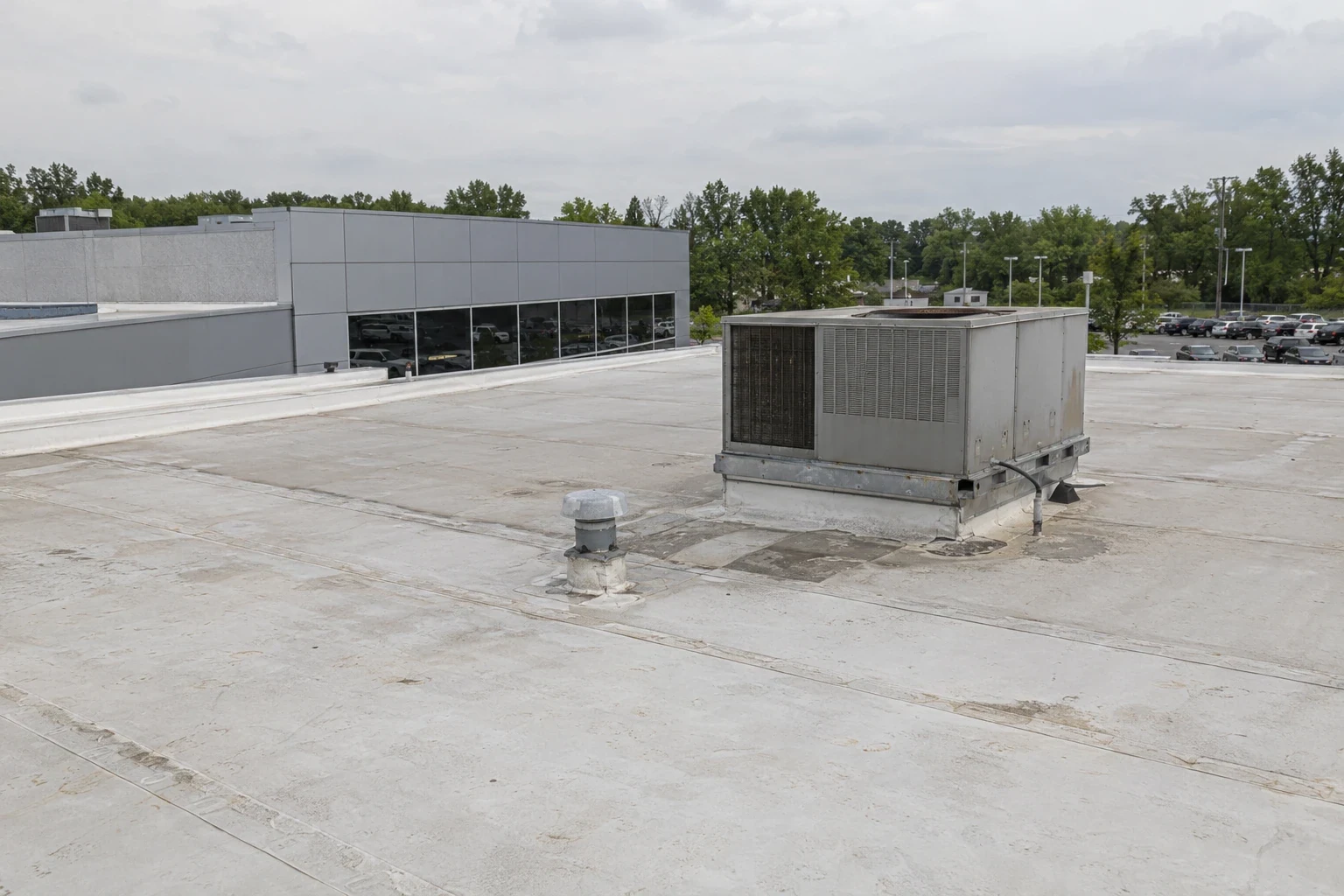
Kitchen exhaust, rooftop units, drains, and service penetrations can make a restaurant roof a coordination problem as well as a repair scope. Start with the reported interior area and recent work, then inspect nearby roof details and equipment curbs. Grease, plumbing, ventilation, and roofing conditions may require separate review; a ceiling mark does not by itself establish the source. Mercury Boulevard, King Street, and Pembroke Avenue form part of Hampton's major commercial-road network; the actual route and entrance for a restaurant visit need confirmation. That corridor context helps plan service, while a site visit establishes the actual building conditions, access needs, and owner-approved work limits.
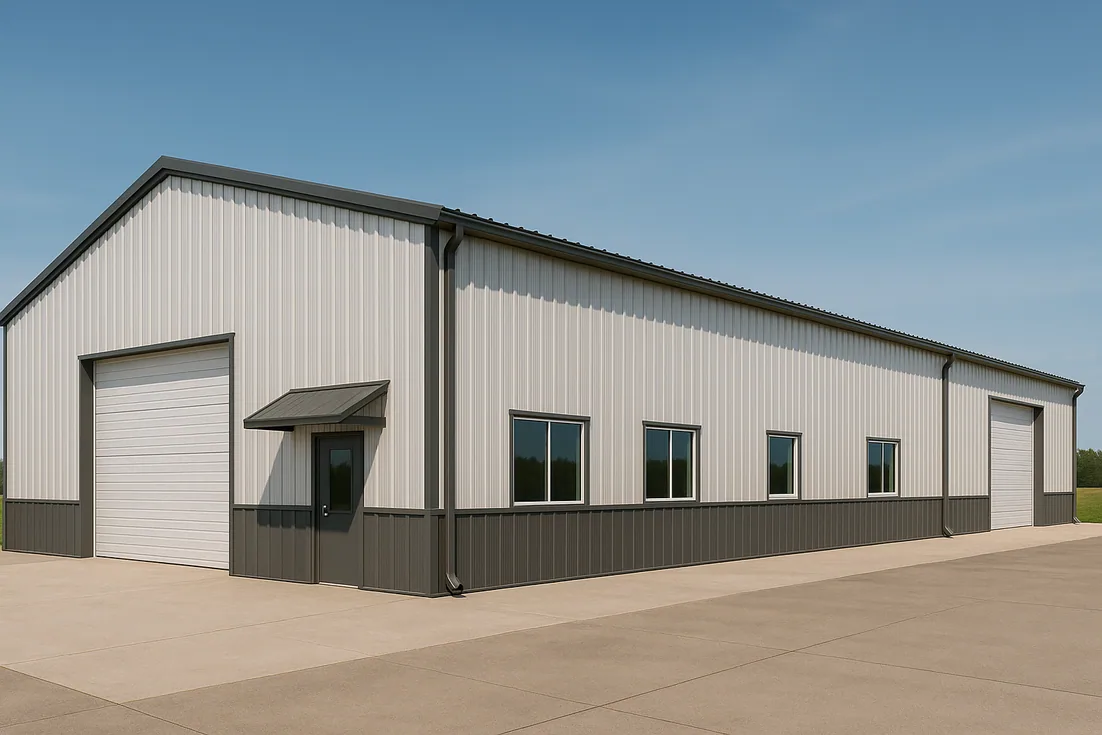
Ask where and when water appeared, whether it followed weather or equipment service, and what roof work has occurred nearby. Check seams, drains, curb flashings, wall transitions, exhaust supports, and previous patches. Photograph observable conditions and distinguish them from a suspected cause. If an area is inaccessible or requires equipment shutdown, record the limitation and arrange access through the authorized contact.
Agree on check-in, roof access, photography, kitchen or service-area restrictions, and safety procedures before arrival. A commercial roof inspection should map findings by roof zone, identify testing needs, and tell the owner what decision can be made from the visit.
Exhaust fans, ductwork, units, supports, electrical lines, and penetrations may intersect roof details. Record visible curb conditions and the path of any recent trade work. Confirm who controls equipment, whether an outage is allowed, and which contact can approve a change in sequence. Do not direct an equipment adjustment from a roofing scope unless the responsible trade has confirmed it.
Before cleaning, coating, or repair work near an intake or exhaust, identify the owner’s controls for dust, odors, and protection. Define where materials can be staged and how the crew will keep approved access routes clear. If a curb, support, or flashing needs correction, assign the roof work and equipment coordination in writing. When required, define rooftop equipment curb and support work with the equipment contact and the party responsible for flashing restoration.
Other occupied property types require their own sequence. A grocery store roofing scope accounts for refrigeration and receiving, while hotel roofing work plans around guest access. For a restaurant, confirm equipment and access conditions directly with the property contact.
Look at roof drains and scuppers, nearby seams, penetrations, and visible flow paths. Note debris or standing water separately from a confirmed assembly defect. Any cleaning should follow the property’s procedures for waste handling and keep material out of drains. Record which outlet was reviewed, what was removed or left in place, and whether flow could be observed safely.
Coliseum Central and Downtown Hampton include retail and mixed-use commercial areas where restaurants may be part of a larger property. That district context says nothing about a particular outlet or leak. When a roof drain or scupper is under review, document the outlet, visible flow path, nearby penetrations, and safe access. If cleaning or repair is proposed, define how debris is handled and what closeout observation confirms the work. A roof drain and scupper work scope should stay bounded to the identified location.
A repair should identify the confirmed detail, preparation, compatible materials, work boundary, interior protection, and completion review. If the source remains uncertain, temporary containment and permanent correction should be presented as different steps. The owner can authorize testing or a bounded repair without accepting an unsupported roof-wide conclusion.
Restaurant owners often need a near-term response while deciding whether a larger roof project is justified. Keep the initial leak scope tied to a confirmed location and make any broader renewal recommendation depend on documented assembly findings. If recover is considered, explain the tests and conditions that must be satisfied first; if replacement is priced, state the work limits and protection plan. Compare commercial roof leak repair with commercial roof replacement as distinct decisions, each with its own assumptions and exclusions.
Set the maximum open area and daily dry-in point before removal begins. Identify the crew lead who checks temporary protection, the manager who receives updates, and the response if a forecast or site condition changes. The sequence should account for material delivery, roof access, and any equipment contact needed before work can close.
A restaurant’s operating schedule, kitchen exhaust, outdoor service areas, and customer routes shape the access plan for roofing work. Regional flood exposure near Hampton Roads waterways is planning context only, not proof of a roof leak. Record weather separately from roof observations, and identify where temporary protection was used and what work remains.
Closeout should identify the restaurant roof zone, reported location, observations, work performed, materials, dated photos, and remaining action. Note if an exhaust or equipment area was outside the approved access. Describe visual review limits and list any testing or trade coordination still pending. Do not state that all roof areas were evaluated when the visit covered one report.
Keep tenant and operating details in the owner’s approved system. The roofing closeout should state work performed, access limits, and follow-up without including private contacts or security arrangements. A well-labeled roof map helps a manager compare later reports and identify whether a new call concerns the same repair zone.
For a multi-unit property, note whether a report concerns the kitchen, dining area, storage, or another tenant space, but use the manager’s approved zone labels in contractor records. A follow-up visit should state which equipment contacts were available and what could be observed without shutdown. If the work needs a second trade, identify that boundary before scheduling rather than implying the roofing crew controls every system. Closeout photographs should show the repair detail and a wider reference view when permitted. These records give facilities staff a practical handoff and help the next inspection begin with current information.
Review seams, drains, curbs, flashings, penetrations, and prior repair areas on the property’s maintenance interval. When hood, exhaust, or rooftop equipment service changes a penetration or support, record who restores the roof detail and who verifies the handoff. Keep drains clear under the owner’s procedure. The work record should state date, zone, finding, action, and next review rather than promising a leak-free result.
Coliseum Central is a broad district reference for Hampton service planning, not a specific restaurant. Commercial Roofing Hampton can coordinate an assessment once the authorized contact defines access and the decision needed. Coliseum Central is a broad district reference for Hampton service planning, not an individual restaurant.
When weather or equipment work changes a scheduled visit, update the manager’s contact and the roof zone affected. If a temporary cover remains in place, record the check date and the permanent correction still due. That simple handoff keeps a protective step from disappearing between shifts and gives the next technician a clear starting point.