Commercial roofing for Hampton and the Virginia Peninsula

Commercial roofing for Hampton and the Virginia Peninsula
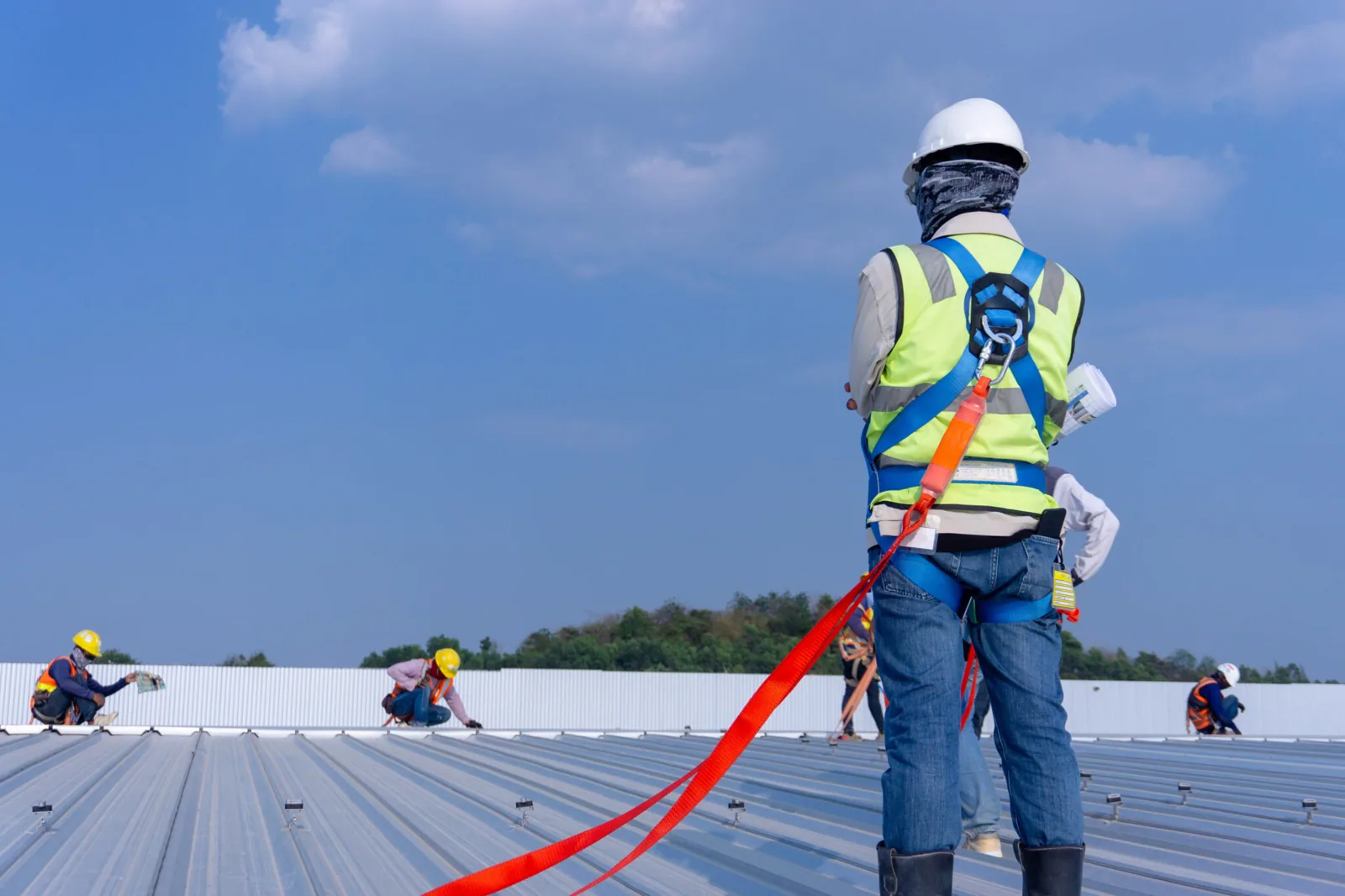
A recover is an assembly decision, not a way to hide a leak. Before another membrane goes down, we need to know what the current layers can support and what they would leave behind. On a Hampton commercial roof, the review starts with attachment, moisture clues, drain elevations, edge details, and the condition of the substrate. We also map the rooms and operations below. If the roof can accept a new layer, a recover may limit tear-off and disruption. If concealed conditions are poor, removal may be the more reliable path. The recommendation follows what we can inspect and verify.
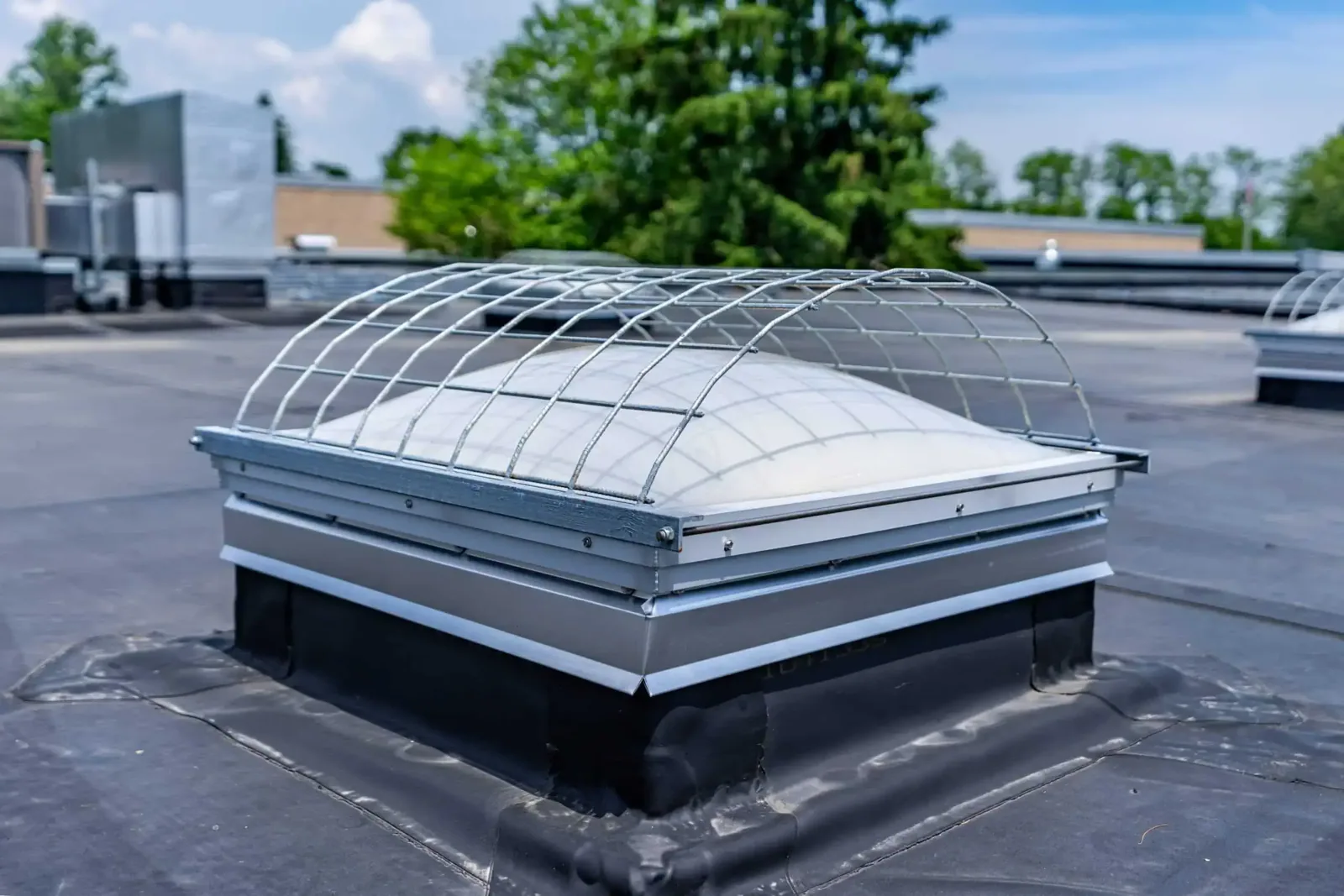
Existing membranes, insulation, and cover board do not become sound just because another sheet covers them. We inspect seams, patches, blisters, fasteners, perimeter metal, and transitions. Where moisture is suspected, targeted test cuts or other suitable testing can show whether insulation should remain. A broad stain below a roof is a clue to investigate, not proof of the wet area’s full boundary.
A recover can be considered when the existing assembly is stable, adequately attached, and suitable for the new system. We examine the deck information available, current layer count, and added dead load. We also look for areas where a drain, curb, or parapet would become difficult to detail after the added height. Those findings go into the recommendation so the owner can compare a recover with replacement on the same assumptions.
Hampton’s business parks include offices, flex-office, research, light manufacturing, warehousing, and distribution. Before evaluating a recover, identify the use beneath each roof zone, rooftop equipment, and access constraints. This lets the owner see where operations can continue and where staging or shutdown planning is needed.
Every new layer changes the relationship between the membrane and drains, scuppers, door thresholds, and rooftop curbs. We check the existing low points and outlets, then show how the added assembly affects flow. If a recover would leave too little height at a drain or create a dam at a doorway, the detail needs correction before installation. We do not assume ponding is harmless or solve it with coating over an unresolved slope condition.
Coastal flooding can reach Hampton homes and businesses near shorelines and tidal waterways; a coastal-flood warning described two to three feet of inundation in low-lying areas. In a recover review, we inspect drainage paths, overflow openings, and scuppers before defining the work.
We can connect the review to the drain and scupper work when outlets need adjustment, and to a commercial roof inspection when the owner needs a full condition record first. Each recommended correction is tied to its location, access, and role in the assembly.
The new membrane may be mechanically attached, adhered, or installed with another approved assembly method, depending on substrate and design. The recover plan has to account for the existing roof, insulation, cover board, and deck. We review uplift requirements, perimeter conditions, and corner zones as one system rather than treating the field membrane as the only wind detail.
TPO, PVC, EPDM, modified bitumen, and other systems each bring different seam, flashing, and maintenance considerations. We explain the choices in terms of the roof’s geometry, rooftop equipment, drainage, and planned access. A TPO system may be evaluated beside an EPDM option, but product type alone does not make a recover acceptable. The underlying assembly remains the deciding factor.
When a recover raises the roof surface, curbs, pipes, pitch pockets, and equipment supports need a transition detail that sheds water. We inspect whether existing flashings have enough height and whether nearby metal can accept a secure termination. The penetration flashing scope should account for each opening that will be affected. Where the edge is loose or deteriorated, we include edge metal work rather than burying the concern.
A recover review accounts for temperature-related membrane movement and wind demand at corners, perimeters, and flashings. Norfolk’s July daily high averages near 89°F; verify actual roof temperature and weather conditions before material work. Hurricane Isabel brought major storm surge to Hampton Roads in 2003, with heavy rain and road high water across central and southern Virginia. Inspect the roof’s attachment, drainage, and temporary closure details before approving a recover.
The crew records fastener, seam, edge, and drain observations for each roof area. Any moisture or attachment question stays open until the relevant test or inspection is complete, and temporary protection is documented before the recover decision is finalized.
Virginia’s 2021 Uniform Statewide Building Code became effective January 18, 2024, covering repair and renovation as well as new construction. We coordinate the project review so the proposed assembly and required details are addressed before materials arrive.
A recover can reduce tear-off, but the crew still needs access, dry conditions, and space to move materials safely. We confirm staging, hoist routes, equipment, and work hours. For an occupied property, the sequence can protect active areas and keep temporary closures clear between shifts.
A roof recover at Coliseum Central may need a sequence that keeps entry points and interior work areas coordinated. Copeland Industrial Park has rail access in some areas; confirm delivery windows, loading constraints, and facility rules with the property team before opening each work zone. We confirm delivery windows, loading constraints, and facility rules with the property team before opening each work zone.
Before work starts, the building contact knows the boundary, protection method, expected noise, and weather response. If removal reveals wet insulation or deck deterioration, the crew records it and pauses for an owner decision when the scope requires one.
A recover estimate should state how much existing material stays, what repairs are included, what testing may be needed, and how drains and edges will be handled. It should also describe assumptions about attachment, substrate, and concealed conditions. A replacement estimate should use comparable quantities and show the removal and disposal scope. Without shared assumptions, the lower number may simply leave more work outside the price.
Costs change with membrane selection, insulation, deck repair, edge metal, drainage correction, penetrations, access, staging, and occupant protection. We measure the roof itself rather than inferring its area from the building footprint. Lead time and weather windows can also affect sequencing. If a recover keeps the building operating with less disruption, that may matter; if it conceals moisture, the later cost can outweigh the initial savings.
We can produce a written condition report with photographs, a repair list, and a clear recommendation. If the roof is recoverable, we name the preparation and details the work requires. If removal is stronger, we explain why. The owner can then set a capital window with the current condition and the consequence of waiting in view.