Commercial roofing for Hampton and the Virginia Peninsula

Commercial roofing for Hampton and the Virginia Peninsula
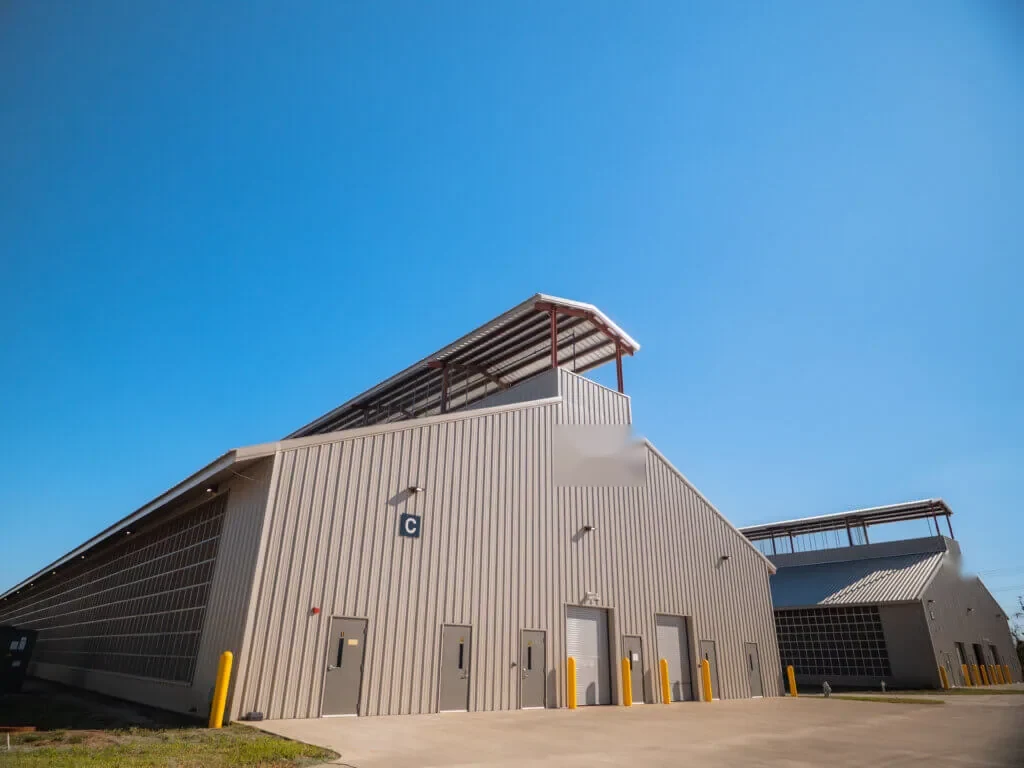
Large-format retail roofs can span sales floors, back-of-house space, loading areas, and equipment zones. A leak report needs to be tied to a roof section before a repair is priced. Confirm the reported area with the property contact, inspect nearby drains and transitions, and separate what is visible from what needs testing. Hampton identifies Mercury Boulevard and other major commercial roads, with a commercial node at Big Bethel Road and Hampton Roads Center Parkway. Those routes help orient local service planning, but they do not establish a condition at a particular store. The scope must reflect the actual roof, access limits, and approved work window.
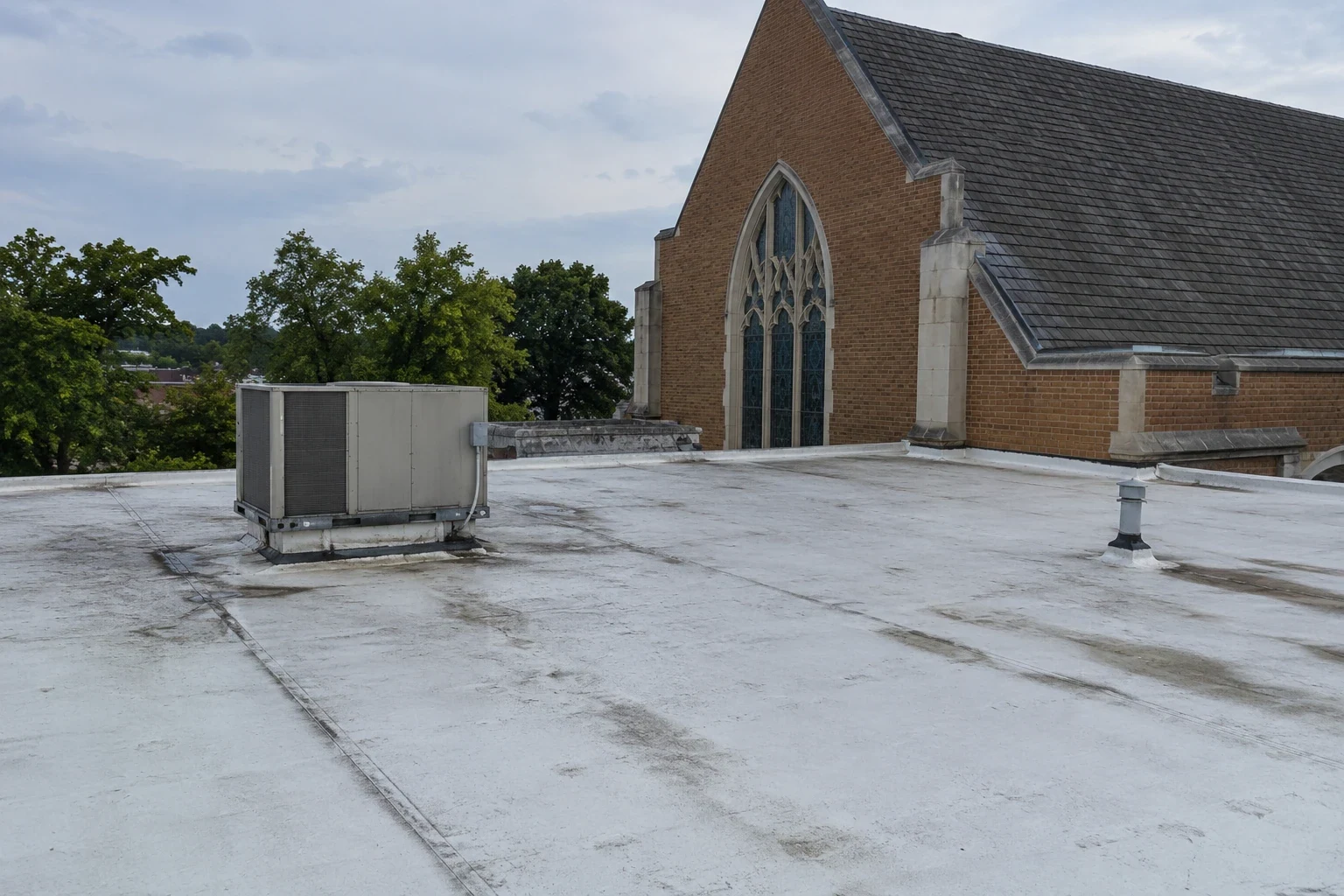
Record the report date, interior zone, ceiling condition, equipment below, and prior work if known. On the roof, check seams, penetrations, curbs, drains, edge metal, parapets, patches, and changes between additions. A roof stain can appear away from the entry point. Trace likely paths and document any point that remains uncertain rather than assigning cause based on proximity alone.
Confirm roof access, escort, photography rules, loading restrictions, and safety procedures with the authorized manager. A commercial roof inspection can map findings and record what follow-up would confirm them. Keep store security details and private tenant information in the owner’s records, not in public-facing page copy.
Before mobilization, agree on crew check-in, material delivery, staging, waste removal, roof hatch access, and areas that must stay clear. Loading schedules may change, so identify who approves a revised sequence. If a work zone affects an entrance, loading bay, or occupied area, define the temporary controls, notice responsibility, and closeout point before the crew arrives.
Set daily start and stop times, noise periods, emergency contacts, and the area that can be exposed and dried in during the shift. Record who checks temporary protection at the end of each day. This level of coordination helps the manager understand the work boundary without guaranteeing that retail operations will never be interrupted.
Large roofs can include different membrane or metal sections, addition joints, drains, curbs, skylights, and rooftop equipment. Document the assembly details that can be observed and list any uncertainty about concealed layers, deck, or attachment. Do not assume the whole roof has a single construction history. record prior patches and later trade work separately because they may change the investigation path.
Hampton’s commercial road network includes several business nodes, including Coliseum Central. The location context can support dispatch and scheduling, while the field survey remains the basis for the roof recommendation. If water appears near a drain or scupper, define whether the need is cleaning, repair, or further investigation. A roof drain and scupper review should describe the observed condition and limits.
For a large retail roof, mark the affected bay and adjacent merchandise or loading activity before selecting a repair boundary. When a seam, curb, drain, or flashing is confirmed and surrounding materials remain sound, specify the preparation and system-compatible correction, plus interior protection and verification. If the leak path is uncertain, describe the test needed before approving a larger repair.
Build the estimate around operating zones: sales floor, receiving, offices, and equipment areas may each require different access and interior controls. State what the inspection supports, what remains unknown, and what condition would trigger a change. Price a limited correction, a recover, and a removal path on distinct quantities rather than treating the full roof as one package. Quote commercial roof leak repair by affected bay and closeout check. When layer review supports retention, price roof recover and overlay with its own protection sequence. A broader commercial roof replacement option should state removal limits, merchandise controls, and receiving-area access.
Break a large roof into labeled work zones rather than treating the footprint as one repair area. That map can distinguish sales space, receiving, offices, and equipment sections while keeping the property record useful for later calls. Compare shopping center roofing and grocery store roofing when shared retail conditions meet different delivery or refrigeration needs. Before approving an opening, confirm the interior protection, material staging, daily close-up, and person responsible for sign-off. If a test cut or moisture investigation is proposed, state the location, restoration method, and authorization required. These details help the manager make a bounded decision and keep temporary response work distinct from permanent correction.
Plan the maximum open area and the end-of-shift dry-in boundary before removing material. Identify who checks the temporary cover, how the manager is notified, and what happens if forecasts or site conditions change. Stage materials so the crew can complete the agreed close-up step without blocking approved routes. Record temporary work with a date, location, and follow-up action.
Coastal flooding can affect Hampton Roads shorelines and tidal-waterway communities, but that regional possibility does not establish exposure at a particular store. For a retail reroof, use current forecasts and the property’s own elevation and access information to set the amount of roof opened during a shift. Agree on the temporary cover inspection, store-manager notification, and materials location before work begins. Log weather delays separately from defects confirmed on the roof.
For each report, record the area, date, roof zone, observations, actions taken, and any item still requiring testing or authorization. After repair, document materials, preparation, photographs, review limits, and owner follow-up. If a visit is limited to one zone, say which areas were not inspected. This prevents a localized repair record from being misread as a roof-wide condition statement.
Use the property manager’s approved process to store access records and tenant-specific records. A shared roof map can help facilities staff compare recurring calls, but it should use non-sensitive zone labels. Keep the written scope consistent with the approved work order and identify changes before performing additional work.
Review seams, drains, edges, curbs, penetrations, and previous repair areas on the owner’s inspection interval. Keep drainage paths clear under the site’s maintenance procedure. When signs, HVAC, or other equipment are changed, identify who restores the roof details and who verifies the work. record the date, zone, observation, action, and next review instead of promising a future leak-free roof.
Retail properties in broad districts such as Coliseum Central can have different access and operating plans from one building to the next. Commercial Roofing Hampton can schedule a site-specific assessment after the authorized contact identifies the roof area and approved work window. A roof visit in Coliseum Central still starts with the building’s access and roof-zone plan.
At handoff, the manager can compare the repair record with the original report and record whether follow-up access is still required. If another trade changes the roof, record the work date and responsible contact before the next inspection. The timeline helps explain later findings without treating an old photograph as a current roof condition.