Commercial roofing for Hampton and the Virginia Peninsula

Commercial roofing for Hampton and the Virginia Peninsula
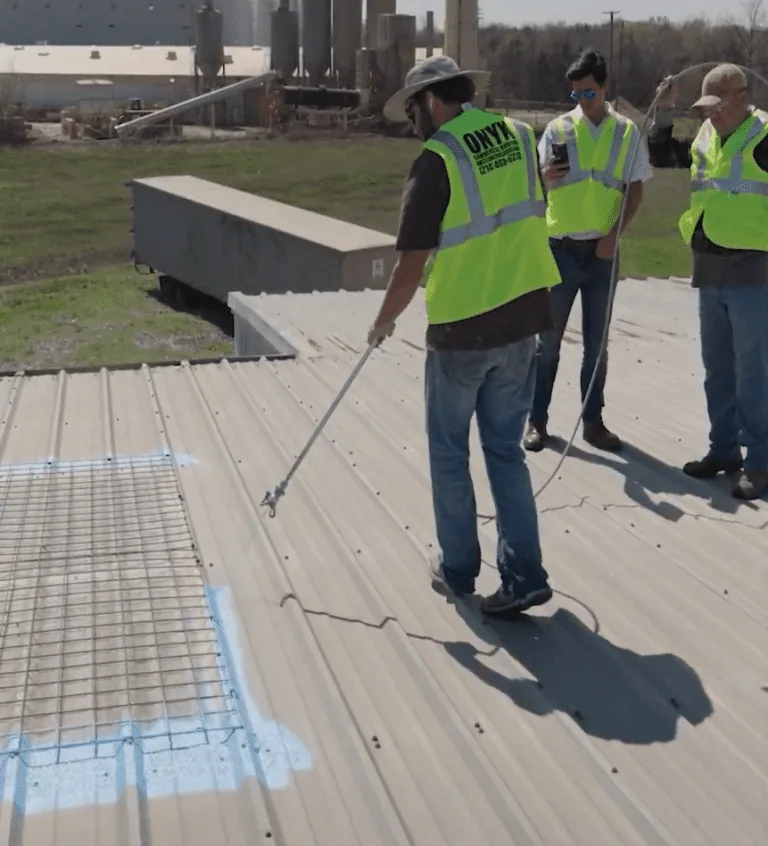
A repair call is useful when the report ends with a location, not a guess. We ask where water appeared, what changed before it showed, and what rooms or equipment sit below. On the roof, we inspect seams, flashings, edges, drains, penetrations, and nearby patches to find a path that fits the evidence. A visible stain can sit far from the opening, so we do not treat its position as a repair map. The first visit should leave the owner with a contained problem, photographs, and a clear distinction between a temporary measure and a lasting repair. Protective sheeting and clear collection points can limit interior exposure while permanent work waits for suitable substrate and weather. The closeout notes the temporary limit and who will check it before the next shift.
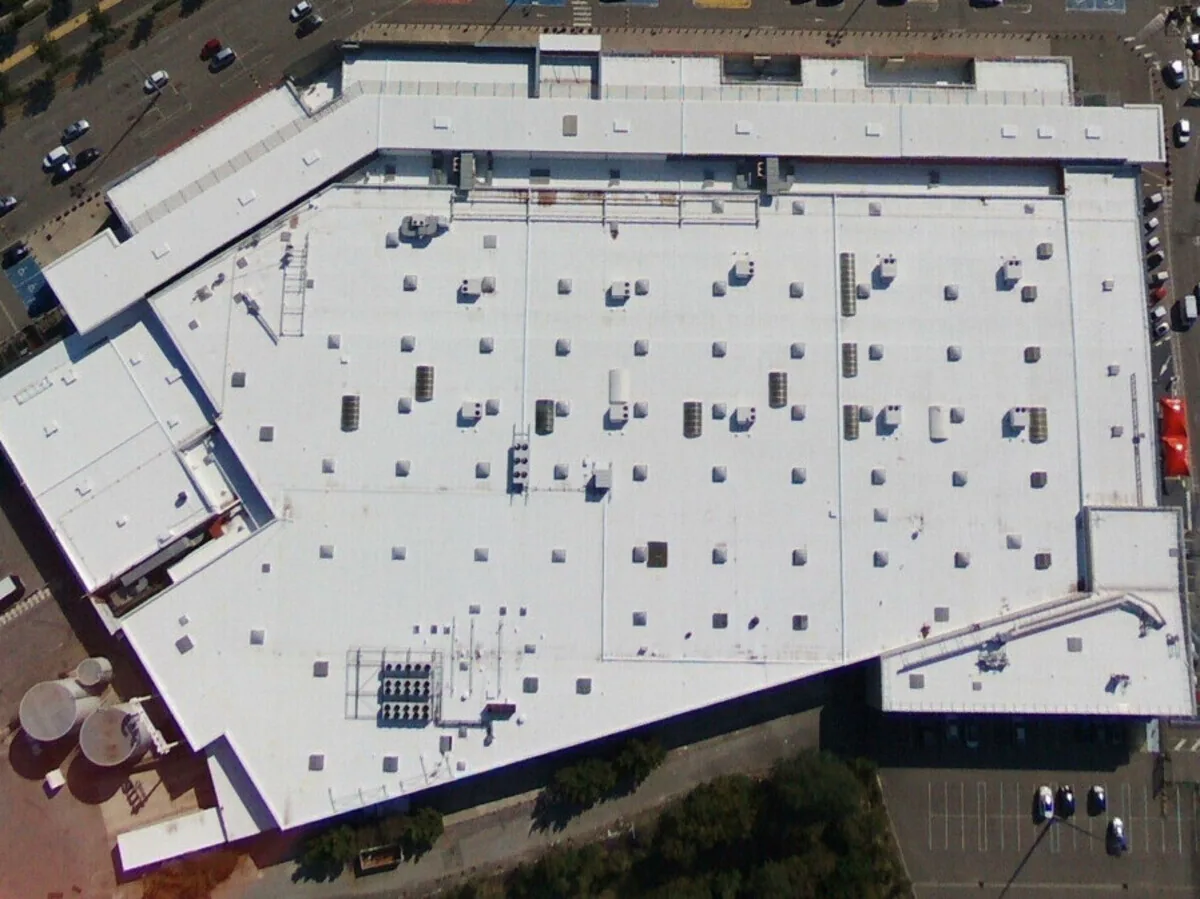
We start by checking whether water is entering now, whether the roof remains safe to access, and whether interior protection is needed. If an opening is active and conditions permit, we stabilize it before moving into a full repair scope. The crew records the affected areas, nearby details, and any temporary material used. That record helps the owner track what changed and keeps temporary work from being mistaken for a permanent fix.
Water can travel along a deck, insulation joint, pipe, or structural member before it appears indoors. We inspect a practical area around the reported point and compare roof details with the interior signs. A drone can help capture an overview where access is restricted, while infrared may indicate patterns that deserve closer inspection. Field confirmation remains essential before cutting, patching, or changing an assembly.
Hampton and nearby Hampton Roads communities can face coastal flooding near shorelines and tidal waterways. During a roof call, we compare the reported entry with observed openings and drainage, then document the repair detail the inspection supports.
On a single-ply roof, we look for punctures, open seams, fishmouths, poor patches, and flashing separation. On modified bitumen or built-up roofs, we check laps, surfacing, blisters, and transitions. A metal roof calls for attention to fasteners, panel laps, closures, and movement at penetrations. Each material needs a compatible repair method; arbitrary sealant can conceal a symptom without restoring the detail.
Drainage is part of diagnosis even when the report begins at a wall or ceiling. We inspect drains, overflows, and scuppers, and look for water collecting around equipment or curbs. A backed-up outlet can reveal a maintenance issue; recurring ponding may call for slope or structural review. We explain what the repair can address and what stays outside its scope.
Hampton’s heaviest industrial uses are concentrated at Copeland Industrial Park and Bright’s Creek along the interstate. Above an operating floor, the crew confirms production schedules, inventory protection, access, and the work boundary before opening a roof detail. Work above an operating floor needs a defined boundary that protects people and stock.
A durable repair reconnects roofing layers and restores a water-shedding transition. The crew prepares the surface, removes loose material, and installs a patch or flashing suited to the membrane. We inspect lap dimensions, bond, corners, and termination instead of stopping at a neat edge. Wet insulation or a compromised deck needs more than a surface repair.
For metal, repair may involve a fastener, closure, or flashing around a pipe or curb. We match materials to the panel system and allow for thermal movement. Related details can be grouped by roof zone and urgency. The penetration flashing repair should address each affected opening, not only the one nearest the stain. A TPO seam and an EPDM lap each need a compatible repair method.
Where wind has disturbed an edge, we inspect adjoining membrane and metal before closing the detail. Hurricane Isabel drove major storm surge in Hampton Roads and brought heavy rain and road high water across central and southern Virginia in September 2003. Current roof findings guide the repair. A wider perimeter issue is priced as a separate scope.
Repairs above active space need a controlled route, work boundary, and occupant plan. We confirm roof access, interior protection, and sensitive operations below. For a same-day leak, we explain what is temporary and what follow-up remains. Planned work can account for deliveries, shift changes, tenants, and weather.
Coliseum Central includes office, medical-service, retail, and mixed-use buildings, so repair timing should account for entrances and interior activity. Hampton Roads Center business parks include office, flex-office, research, and light-manufacturing uses. We set each work window from the building’s equipment and access constraints.
The record names the roof area, method, materials, and work limits. Before-and-after photos show what was opened and closed. If the repair reveals a wider condition, we present it before adding scope so the maintenance record remains useful.
After installation, we review the detail and note whether the surrounding roof needs observation. A controlled water test is appropriate only when the assembly and site support it. Otherwise, photographs and a follow-up inspection can document the repair. We also record whether the first visit found more than one possible path.
Repeated repairs can be sensible when each one addresses an isolated detail and the membrane remains serviceable. If the same area reopens, compare prior photographs and repair limits with current conditions. We can review broader inspection findings, consider an infrared moisture survey, or price a larger scope. That gives the owner a decision path instead of another disconnected patch.
Repair cost depends on access, roof height, material compatibility, detail count, protection below, testing, and any wet insulation or damaged decking. A quick patch and corrective repair are not interchangeable. We state the area and method included, list assumptions, and keep concealed conditions visible.
Timing follows safe access, weather, materials, and the operating schedule. An active opening may receive temporary protection first, with permanent repair scheduled for a suitable dry window. If water threatens equipment or inventory, tell us what is at risk when you call.
For recurring repairs, compare cost and disruption with the broader roof condition. We document which defects remain active, which were closed, and which need capital planning. The decision may be repair, restoration, or replacement, based on the record and the cost of waiting.