Commercial roofing for Hampton and the Virginia Peninsula

Commercial roofing for Hampton and the Virginia Peninsula
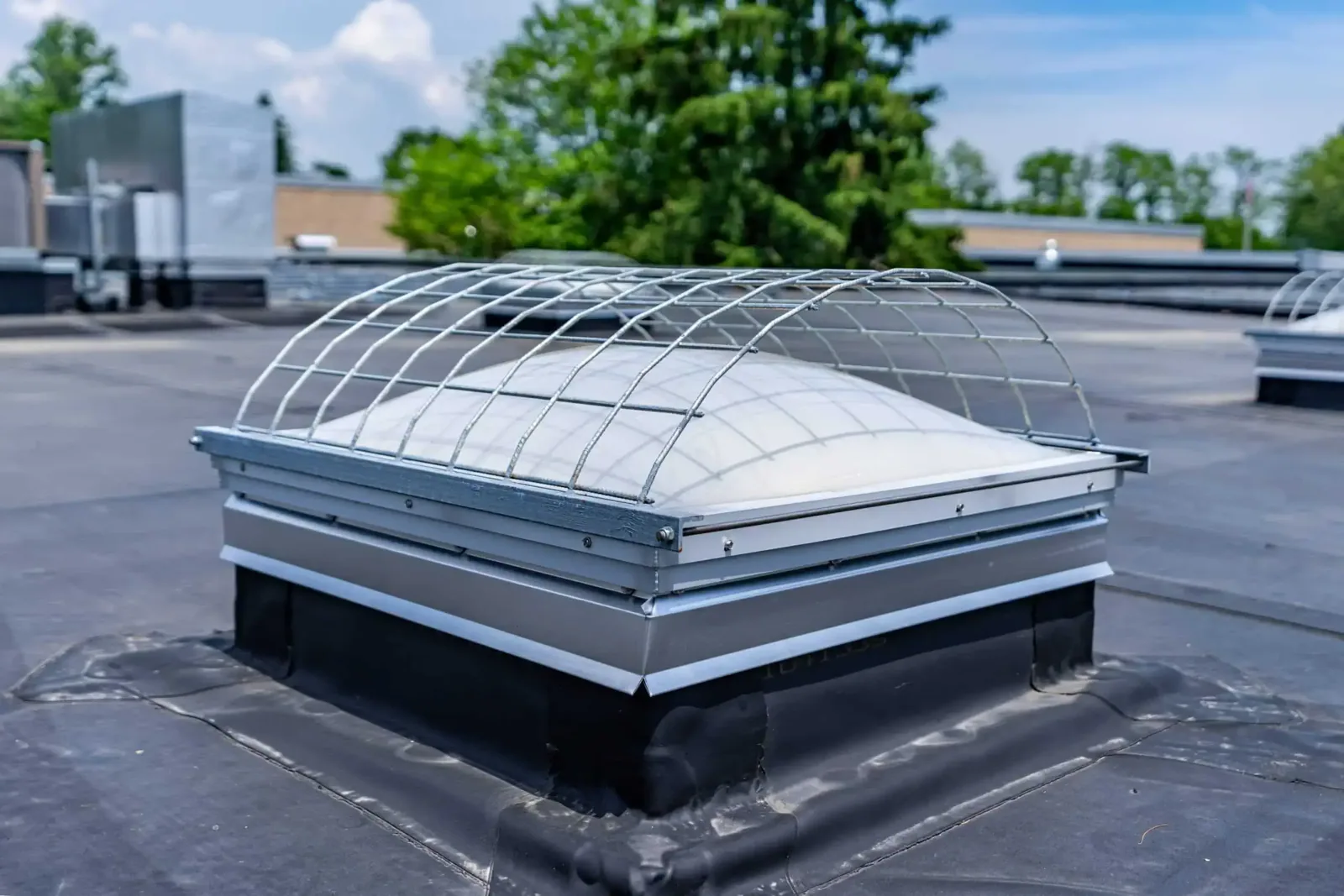
Perimeter details connect the roof membrane to the wall and direct water away from the building. We inspect coping, edge metal, gutters, downspouts, cleats, fasteners, laps, and the membrane termination before recommending repair. A loose cap, open seam, or failed gutter connection can allow water behind the roof edge or into a wall assembly. Hampton’s wind and coastal exposure make these details worth checking after weather events, but the scope depends on the metal and membrane conditions at the property. The report identifies each affected edge and the method needed to restore it.
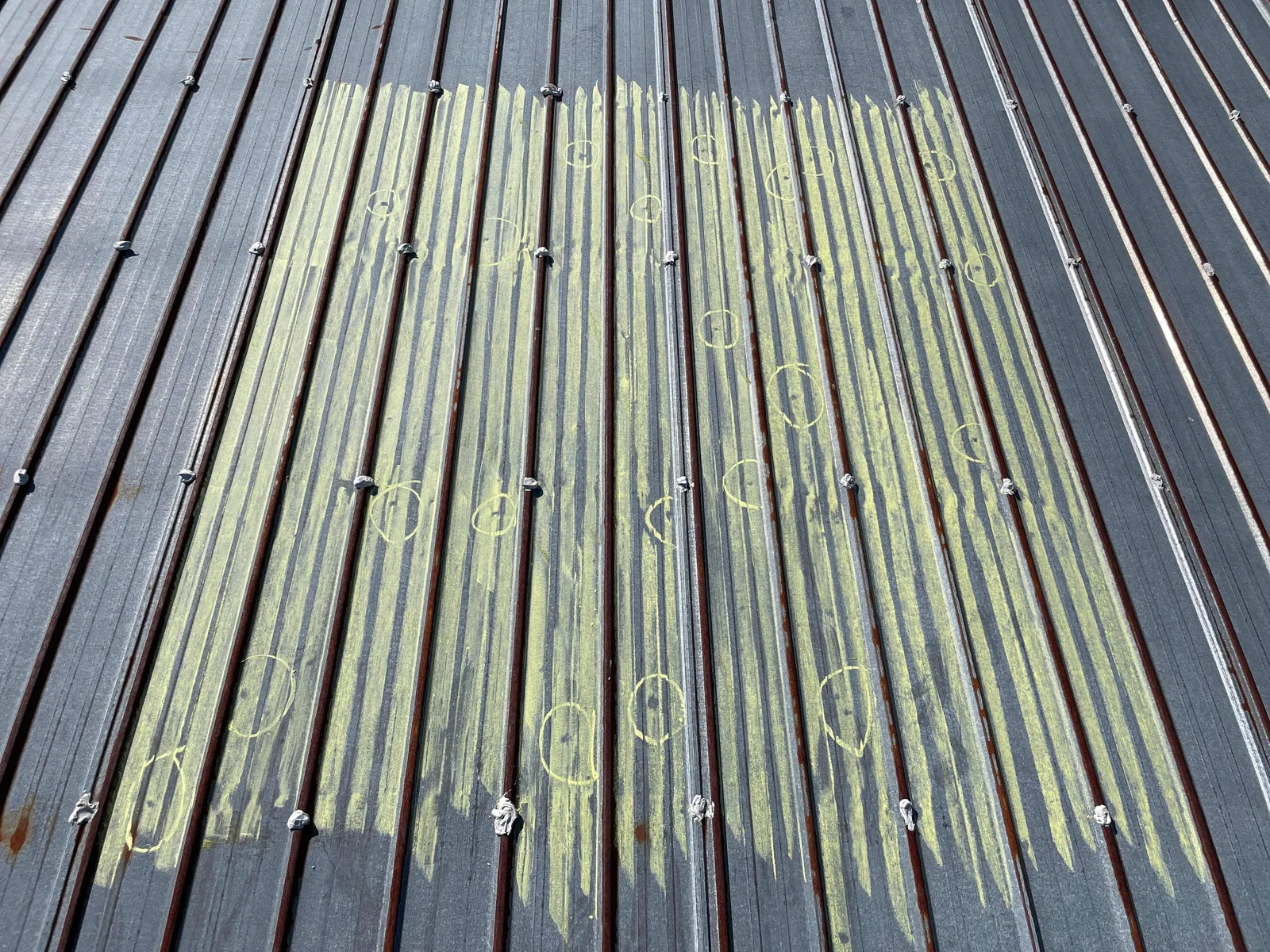
We walk accessible roof edges and corners, checking fasteners, cleats, seams, end dams, laps, and transitions into adjoining wall or coping conditions. The membrane termination should remain secure where it meets the metal. We look for movement, separation, corrosion, and prior patches that may have interrupted the water path. Photos reference the roof zone and show how the edge connects to nearby drains or penetrations.
Gutters and downspouts need a clear path and stable attachment. We record debris, loose hangers, open joints, and signs that water has escaped behind the trough. If a leader connects to underground drainage or interior piping, we identify that boundary and coordinate with the appropriate trade. Roofing scope should not imply that the entire drainage system has been inspected when only the roof edge is accessible.
A wind event can expose weak edge details, but a loose cap does not explain every interior leak. We compare the observed condition with the reported water path and inspect adjoining membrane before defining repair.
Repair may require replacing loose fasteners, rebuilding a cleat connection, closing a lap, adding an end detail, or restoring the membrane termination. We select the method for the edge profile and existing assembly. Sealant alone is not a substitute for secure metal attachment and a continuous membrane tie-in.
At a parapet, coping should secure to the wall and shed water away from the top. We inspect joints, corners, splice plates, and the condition beneath loose metal where access permits. At a gutter, the trough, hangers, end caps, and outlet must work together. If the trough is detached or damaged beyond a local repair, we outline replacement scope and access requirements.
The membrane and metal may move differently with temperature changes. A repair should accommodate that movement while keeping water out of the assembly. We can coordinate a standing-seam metal roof detail or an adjoining low-slope termination as needed. If water is already entering, a leak repair can address the interior path while the edge scope is prepared.
Hampton Roads experienced surge during Isabel in 2003, and coastal flooding remains a regional consideration near tidal waterways. Those regional facts make response and drainage planning relevant, but they do not prove damage at a particular edge. We inspect fasteners, coping, gutters, and membrane terminations on the property before attributing a failure.
National Weather Service July normals for Norfolk show daily average highs near 89 degrees Fahrenheit. That regional heat context can inform attention to metal and membrane movement. The inspected joint, fastener, and seal determine whether repair is needed.
Hampton’s business parks include office, light-manufacturing, warehouse, and distribution uses. The building’s height, roof access, equipment, and occupied schedule shape the work plan. For a property in Hampton Roads Center or Coliseum Central, we confirm the site’s delivery and access rules before lifting metal or staging materials.
Edge metal and gutters should move water toward a planned outlet without allowing runoff behind the fascia or wall. We inspect gutter slope and outlet connections where visible, then record overflow paths and any areas where debris blocks flow. A wall stain may involve an edge, a roof penetration, or an outlet, so we trace the available evidence before assigning the cause.
Hampton and nearby communities can experience coastal flooding near shorelines and tidal waterways. That hazard does not establish a gutter defect, but it makes a clear route for roof runoff and an accessible overflow useful parts of maintenance. We keep the roof-drainage review separate from site-wide flood mitigation or underground piping work.
If outlets or scuppers are part of the repair, we can coordinate the drain and scupper scope with the perimeter detail. Where the edge is part of a larger roof replacement, we include the metal termination in the replacement assembly rather than leaving it to a later patch.
Perimeter work can require ladders, lifts, fall protection, or temporary access restrictions around the building. We confirm the work zone, delivery route, pedestrian access, and any equipment below. If metal must be removed, the opening is protected and closed within the planned sequence. Wind conditions may change when it is safe to handle long sections.
Hampton’s districts and business parks include office, medical-service, retail, industrial, and distribution activity. Each property has its own entry, loading, and occupancy requirements. We coordinate with the site contact before setting a work window and identify how noise or temporary barriers may affect operations.
Photos before and after repair help the owner see which joints were reset or replaced. The closeout identifies any edge not accessed or any gutter section needing a separate trade. This avoids describing a partial repair as a full roof-edge replacement.
Where the perimeter is above an active entrance, we confirm pedestrian diversion and protection before removing metal. If a section cannot be replaced in one shift, we plan a watertight closure and identify who will monitor the area. The owner knows which door, loading bay, or access lane will change while the crew works, and when normal access can resume.
Cost depends on metal profile, material, access, length of affected edge, substrate condition, gutter connections, protection, and whether adjoining membrane must be opened. We measure and describe the repair area, state materials and attachment approach, and show where replacement is more practical than piecemeal work.
Scheduling depends on safe access, weather, delivery of custom metal, and occupied-area restrictions. If active water needs temporary protection, that can be handled before the permanent edge assembly is installed. We identify any concealed wall or deck condition that may change the scope before adding it to the estimate.
Virginia’s statewide building rules cover maintenance work, repairs, and renovation projects. When the work changes a larger roof assembly, we coordinate the required review with the owner and project team. The proposal should identify what the crew will do and what remains outside the roofing scope.