Commercial roofing for Hampton and the Virginia Peninsula

Commercial roofing for Hampton and the Virginia Peninsula
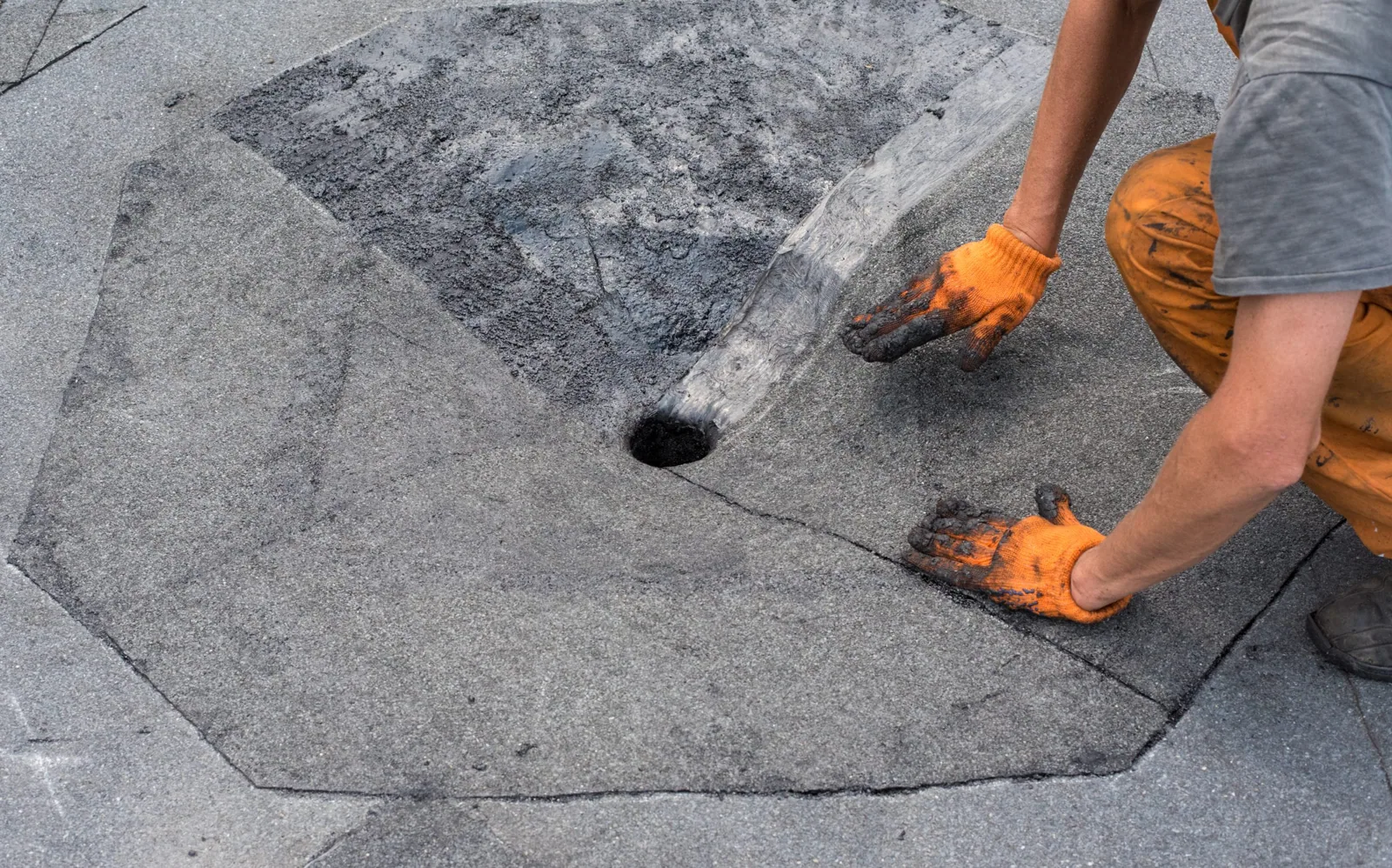
After a storm, the first roof decision is whether water is entering and what must stay protected. We ask which areas are affected, whether the building is occupied, and what access is safe. The crew checks edge metal, seams, flashings, penetrations, drains, and visible surface damage, then records conditions before disturbing them. A storm can leave different defects across one roof, so the repair scope should separate temporary containment from permanent work. The owner gets photographs, an explanation of what the crew observed, and a prioritized path for stabilizing the building.
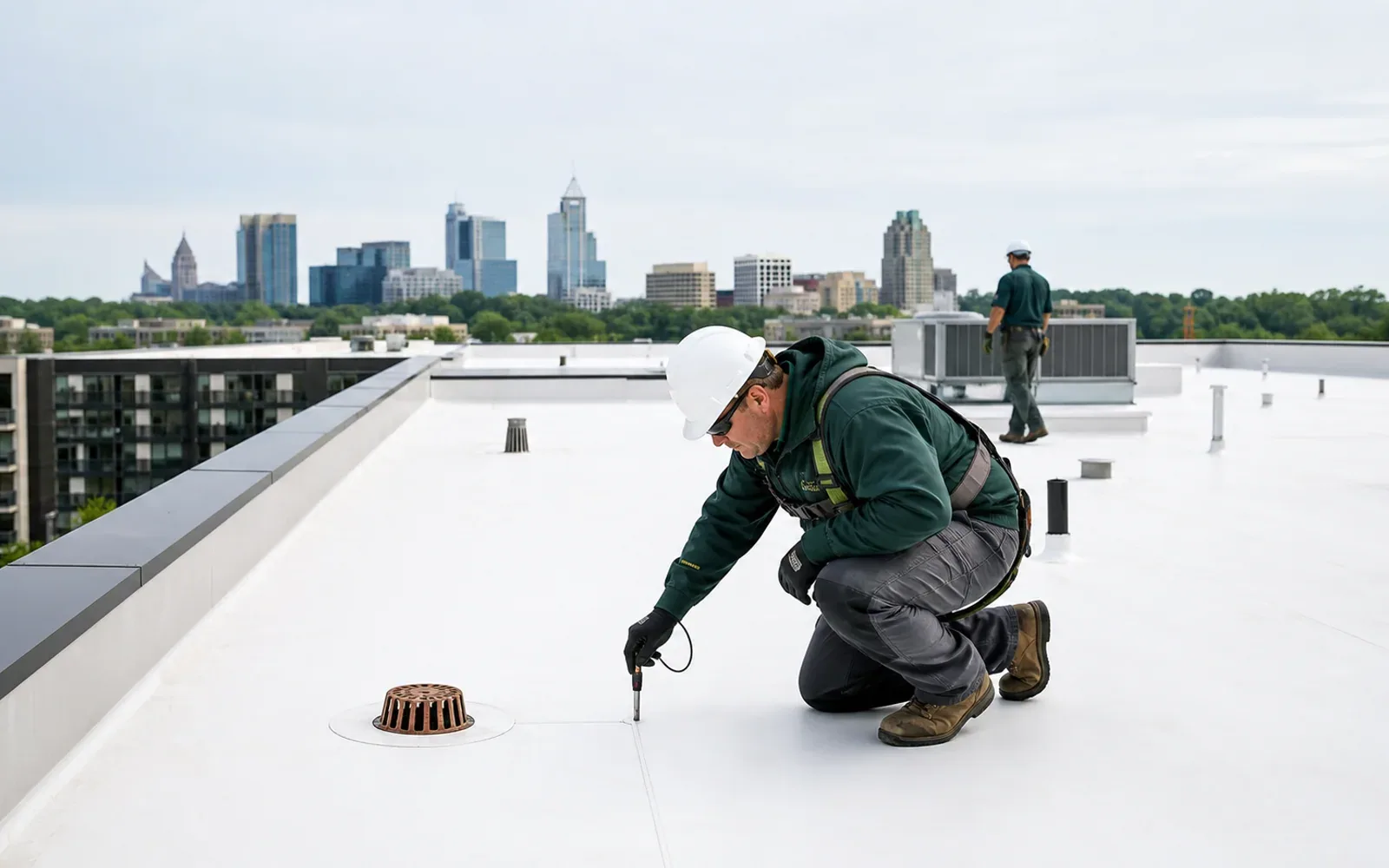
Do not send staff onto a wet roof or beneath a visibly unstable ceiling. Move people and movable contents away from active water when it is safe, then contact the facility team about electrical or equipment exposure. We confirm roof access, weather, and fall protection before the crew starts. If wind or rain makes the roof unsafe, we explain what protection can be applied from inside and when an exterior check can proceed.
On the roof, we photograph conditions before temporary cover or repair. A displaced sheet, puncture, loose edge, or failed flashing may be visible, but the full path can extend beyond the first mark. We inspect nearby transitions and the space below where access allows. The report distinguishes what is confirmed from an area that needs a closer inspection or test.
Hampton and nearby coastal communities can experience tidal inundation near shorelines and waterways. A storm response may therefore include checking whether water entered at the roof, at grade, or through both paths. The building’s reported conditions and field findings determine the repair, not a regional event summary.
Storm review begins at perimeters and transitions, then follows reported water and visible debris. We check edge securement, coping, membrane seams, flashings, rooftop equipment, drains, and overflows. We look for punctures, lifted laps, displaced metal, and openings around curbs. Photographs identify each location so the owner can connect the roof condition with the interior or equipment concern.
Isabel’s September 2003 passage brought major surge to Hampton Roads. Its history can inform questions after a later storm, but it does not verify a cause at one asset. We compare current photographs, water entry, wind exposure, and the roof assembly before linking observed damage to an event.
At an occupied site, we ask about access rules, delivery routes, sensitive rooms, and operating hours before opening any roof area. If the building serves office, medical, retail, manufacturing, or distribution functions, those limits can affect staging and protection. Hampton’s business parks include these uses across the city, while the specific property plan controls the repair sequence.
A temporary dry-in may be appropriate when the opening is active and a permanent material cannot be installed safely or correctly. The method depends on the roof system, surface condition, wind, and access. We avoid leaving a cover that can lift, trap water, or block required drainage. The service record states what was placed and what follow-up remains.
Once conditions allow, we prepare and repair the affected detail using materials suited to the assembly. A patch must restore a water-shedding lap, not simply cover a stain. If the surrounding membrane or edge is loose, the crew inspects the adjoining area before closing the work. A permanent repair scope can include the edge metal or penetration flashing that allowed entry.
If the work reveals wet insulation or a damaged deck, we document it and pause for a scope decision when needed. We do not cover concealed damage as if it were corrected by a surface patch. The estimate names the known repair and any allowance or test needed to define additional work.
Northeastern Hampton neighborhoods face recurring tidal floods, low terrain, coastal exposure, and prolonged nor’easters. National Weather Service warnings describe inundation near tidal shorelines. Those facts can inform access planning, but they do not establish roof damage at a particular building.
National Weather Service normals for Norfolk show July average daily highs near 89 degrees Fahrenheit. For heat-related questions, a weather station provides climate context only; the crew still checks the membrane and attachment at the property. If wind disturbed perimeter details, field checks guide the repair.
For work at Downtown Hampton’s riverfront district or Copeland Industrial Park, the sequence follows the inspected roof and property access. Coastal proximity does not prove an event impact at a given building.
A repair file should contain the visit date, weather context, affected roof zones, photos, temporary measures, permanent work, and any open follow-up. If a claim is involved, the owner can use the record to explain what was found and when. We describe the roof condition without promising how a carrier will interpret a claim or what an insurer will approve.
Hampton’s commercial properties span office, medical-service, retail, light industrial, office, and distribution activity. The report can record operational disruption and protection needs as part of the repair plan. It does not assign damage to an employer, district, or storm unless the field evidence and supporting record support that connection.
We can pair a repair visit with a condition inspection where the owner needs a wider picture, or a claim documentation review that records scope and photos. If replacement becomes necessary, the reroof proposal should use the same confirmed conditions.
We confirm the work boundary, staging, roof route, and interior protection before crews begin. For an occupied property, temporary closure needs to account for overnight weather and the next shift. A written plan says who receives updates and what happens if the crew discovers a wider opening or concealed moisture.
Copeland Industrial Park includes manufacturing, warehousing, and distribution operations, plus some rail access. office and light-manufacturing uses are part of Hampton Roads Center’s broader business-park mix. These are broad district contexts; the facility contact sets its actual loading and access requirements. We coordinate material movement so a repair does not conflict with the building’s operating schedule.
If a storm affects several roof zones, we rank them by active water, exposure to interior assets, and ability to stabilize. The owner can approve containment for the urgent area while a more complete inspection defines the longer repair list. That keeps emergency protection moving without treating every visible mark as the same priority.
Storm repair cost depends on access, materials, affected details, protection, temporary cover, testing, and any wet insulation or deck repair. We state confirmed work and conditions that need an owner decision. Temporary dry-in and permanent repair are separate tasks when both are needed.
Timing depends on safe access, weather, and materials. Active water may need containment now; a permanent repair may wait for a dry window. If a roof section cannot be inspected, the proposal identifies that limit and the next step.
The asset manager can compare repair, restoration, or replacement after the assembly is understood. A roof condition review may identify broader issues, while an infrared survey can help target moisture verification. Each added check should answer a question that changes the scope.