Commercial roofing for Hampton and the Virginia Peninsula

Commercial roofing for Hampton and the Virginia Peninsula
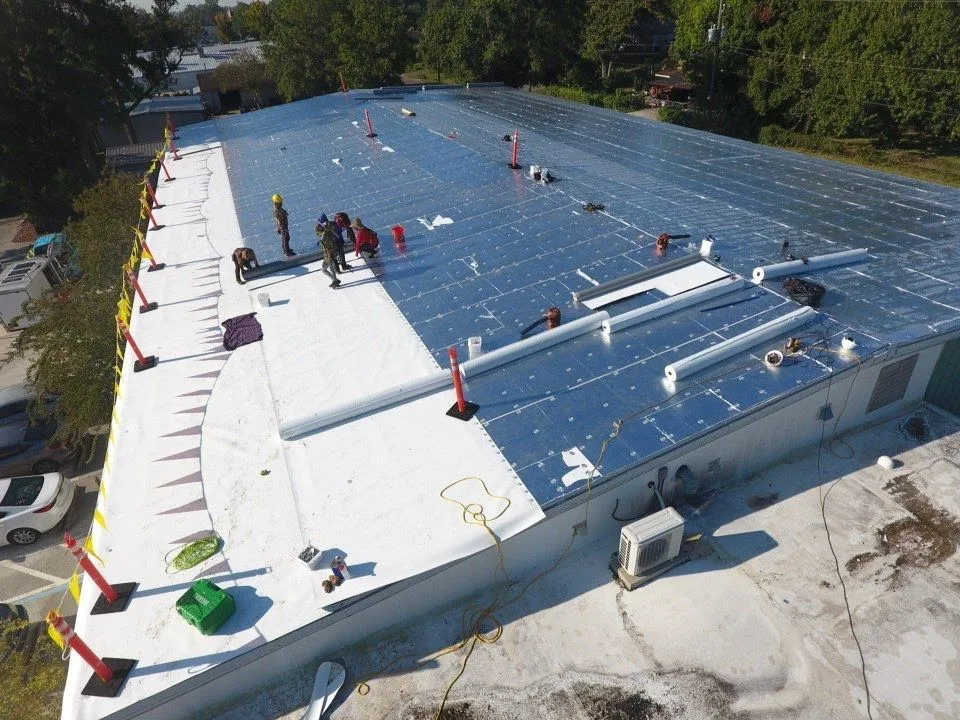
Rooftop equipment depends on a curb or support that carries the load without opening a path for water. We inspect the base, flashing, fasteners, membrane tie-in, and nearby roof surface before recommending a repair. A unit that still operates can sit above a loose curb or failed flashing, so the service scope needs to address both the equipment interface and the roof assembly. In Hampton, commercial buildings include office, medical-service, industrial, and distribution uses, and access or shutdown rules can shape the work. We coordinate with the building contact and document what the roof detail needs.
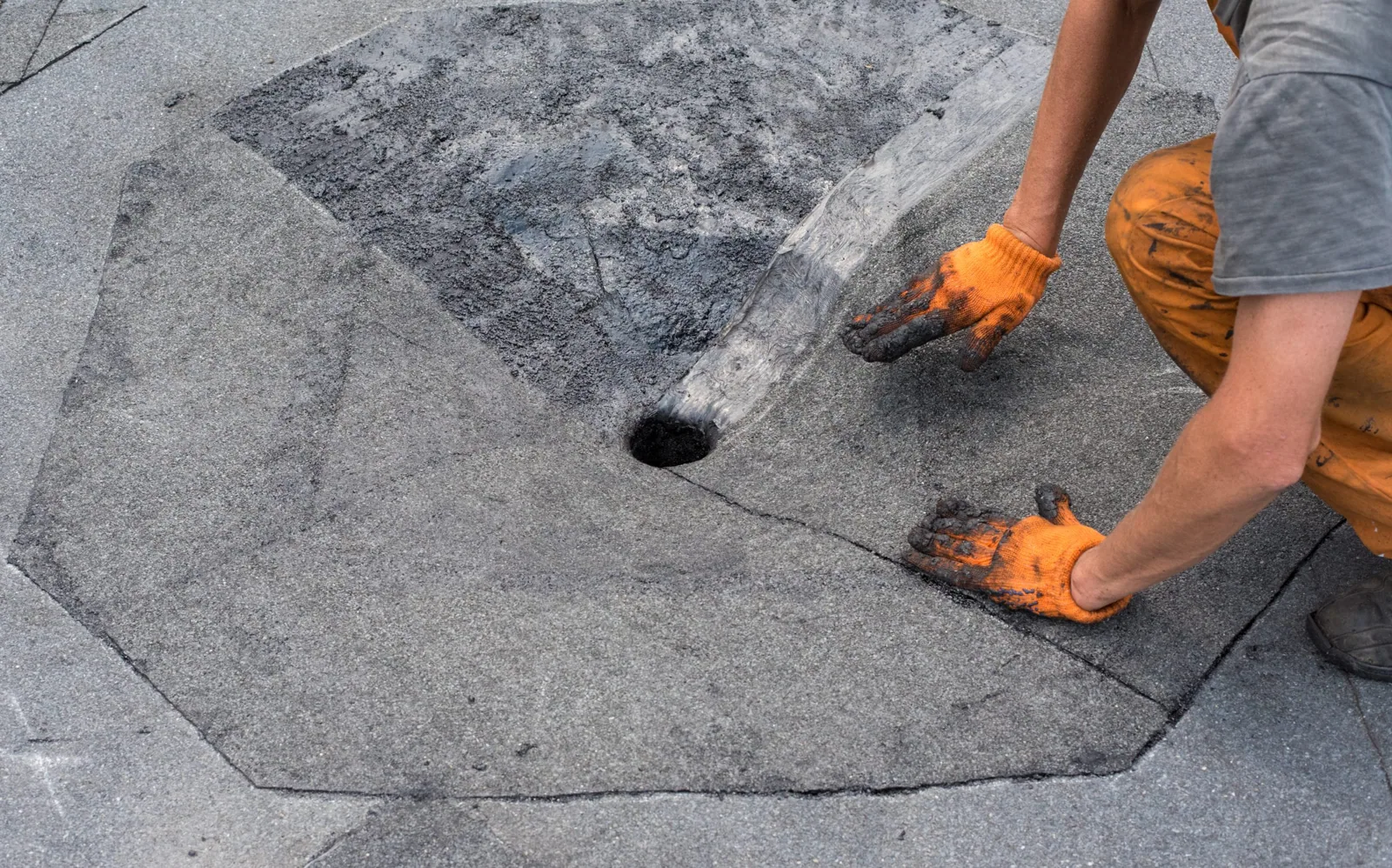
We look for gaps, loose fasteners, failed sealant, split flashing, open seams, corrosion, and movement at the equipment base. The condition around the curb matters too: membrane laps, insulation edges, nearby drains, and other penetrations can affect the path. We photograph each side and record whether water is active or whether the defect needs testing.
The curb must provide a stable transition and enough height for the roof assembly. If insulation or cover board is being added, the finished elevation can change how flashing meets the curb. We identify that interface before work starts. A service technician’s access route also matters because repeated equipment work can disturb roofing details.
We coordinate with the responsible equipment contractor before moving, lifting, or disconnecting a unit. Roofing crews do not assume responsibility for mechanical connections. The scope makes clear which trade handles equipment and which team restores the roof-to-curb transition.
Repair begins with a sound curb and substrate. We remove failed material, prepare the surface, and install compatible membrane flashing that ties into the field sheet. Corners and terminations receive attention because movement and cuts can concentrate stress there. The finished detail needs to shed water away from the curb and preserve access for future maintenance.
If a curb is damaged or too low for the planned roof assembly, the project team may need to replace or raise it before the membrane work. We record measurements and coordinate the decision with the owner and equipment contractor. Adding sealant without addressing a loose base or poor height can leave the same condition hidden under a new bead.
On a low-slope roof, a penetration flashing repair can include nearby pipe boots and equipment curbs when the approved scope allows. For standing-seam or retrofit metal, the support detail must account for panel movement. We can evaluate a metal retrofit attachment or an appropriate membrane transition based on the existing system.
Office work, flex space, light manufacturing, warehousing, and distribution all appear across Hampton’s business parks. A rooftop unit may serve occupied rooms, process space, or support areas, and its shutdown window belongs in the repair plan. We ask the building contact what equipment must remain online and when the mechanical contractor can attend.
Hampton Roads Center includes office and light-manufacturing business parks. Manufacturing, warehousing, and distribution operate at Copeland Industrial Park, which also has some rail access. These broad area facts help frame staging and delivery questions. They do not tell us which unit serves a specific building. The site contact provides the equipment schedule and access requirements.
For work in Hampton Roads Center or Copeland Industrial Park, we plan around roof hatch access, loading routes, and the area below the work. We keep temporary protection ready in case the curb needs to remain open while a unit is disconnected.
Flashing installation needs a surface and weather window that allow the selected materials to bond and close correctly. Rain, wind, dew, and temperature can change the sequence. We confirm forecast conditions and keep each work zone small enough to protect if the shift ends early. If safe closure is not possible, we reschedule rather than leave an open curb transition.
Isabel’s September 2003 passage brought major surge into Hampton Roads. Coastal warnings also describe inundation risk near tidal waterways. Those facts inform readiness and drainage planning, but they do not show that a current curb has failed. The inspection and repair record belong to the specific roof and equipment location.
The statewide code in Virginia extends to repair and renovation work, not only new construction. If the work changes a larger roof assembly or equipment support, we coordinate the scope with the project team. A local flashing repair remains distinct from structural or mechanical design work.
Before work, we confirm the equipment contractor, roof access, interior protection, and the agreed outage. The repair sequence allows the unit to be lifted or shifted only by the responsible trade and only when the owner authorizes it. We coordinate the roof opening, flashing installation, and equipment reset so the membrane does not remain exposed between visits.
If a unit cannot be moved, we assess whether the flashing can be repaired in place with safe access. The work plan identifies any side that cannot be reached and what additional rigging or shutdown would be required. The asset manager receives a clear decision point instead of a partial repair presented as complete.
Photos before and after show the base, membrane tie-in, and completed closure. The record includes any area that remains inaccessible and the next service condition to watch. This can help a maintenance team check the detail after future mechanical work without sending staff onto the roof.
Cost depends on curb size and condition, flashing material, unit access, equipment coordination, roof height, interior protection, and whether wet insulation or deck damage is found. If a unit must be disconnected or lifted, the estimate identifies that trade boundary and scheduling dependency. The roofing scope includes the work that restores the water-shedding transition.
Timing follows safe access, equipment availability, weather, and the building’s operating schedule. If a leak is active, temporary protection may precede the permanent repair. The proposal states what is included, what requires an owner decision, and how the roof will be closed at the end of each shift.
A roof inspection can identify other curb or penetration conditions while access is arranged. When moisture is suspected, an infrared survey or test opening may help set the repair boundary. Each additional check should answer a specific question that affects the scope.
Closeout records should identify the unit, curb sides, installed flashing, and any side that remained inaccessible. That gives the equipment team a practical reference before its next service visit. The owner can then ask that work be coordinated with the roof detail rather than assuming that a new seal is required after every equipment call.