Commercial roofing for Hampton and the Virginia Peninsula

Commercial roofing for Hampton and the Virginia Peninsula
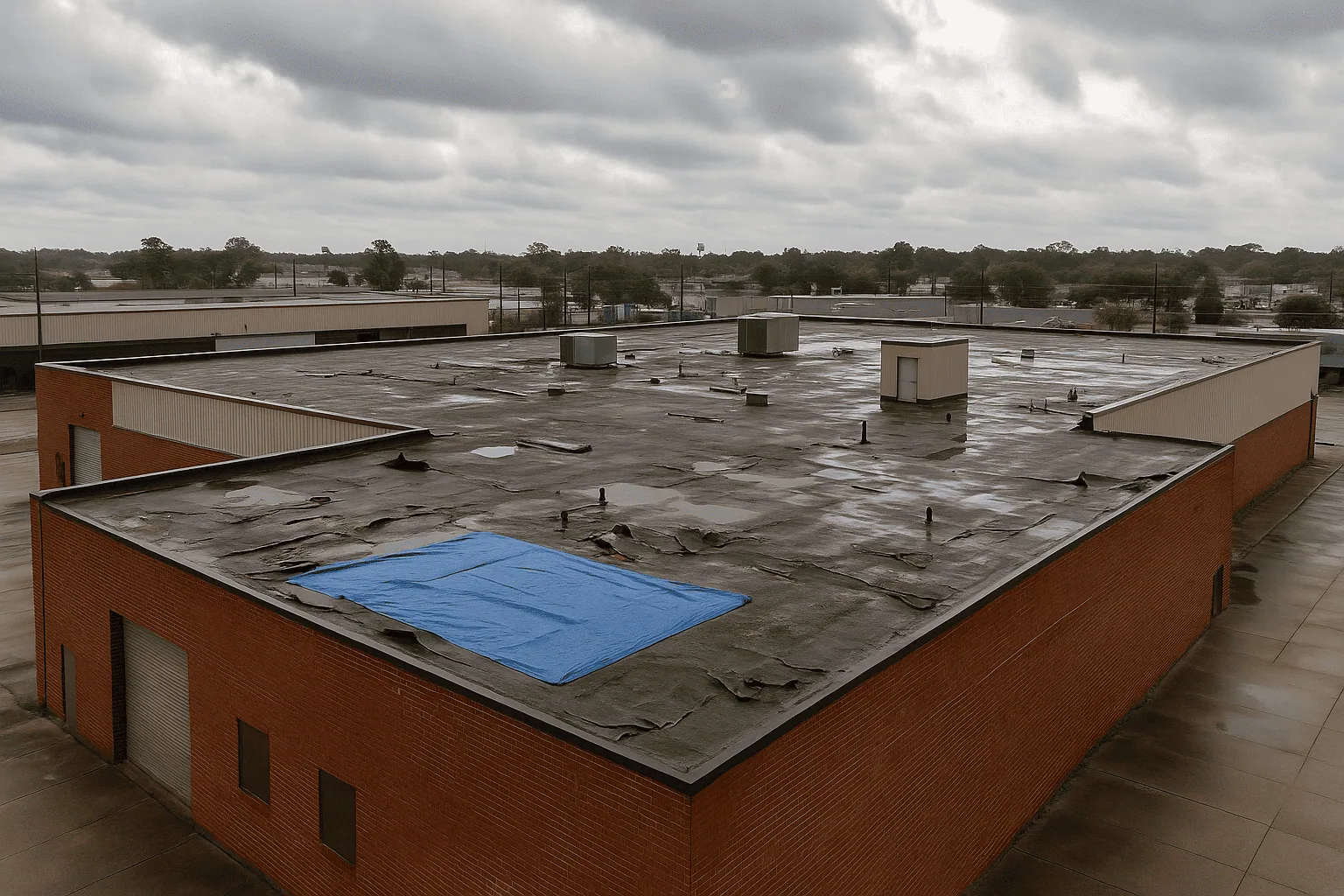
A cool-roof choice should start with the existing assembly and the heat problem the owner wants to address. We review membrane condition, insulation, rooftop equipment, drainage, and available system options before recommending a coating or replacement. A reflective surface can change solar absorption, but it does not correct wet insulation, poor slope, or failed seams. In Hampton, where commercial buildings range from offices and medical services to research and distribution uses, the right scope also depends on occupied space and equipment schedules. We explain the roof options and the conditions that determine whether a new system makes sense.
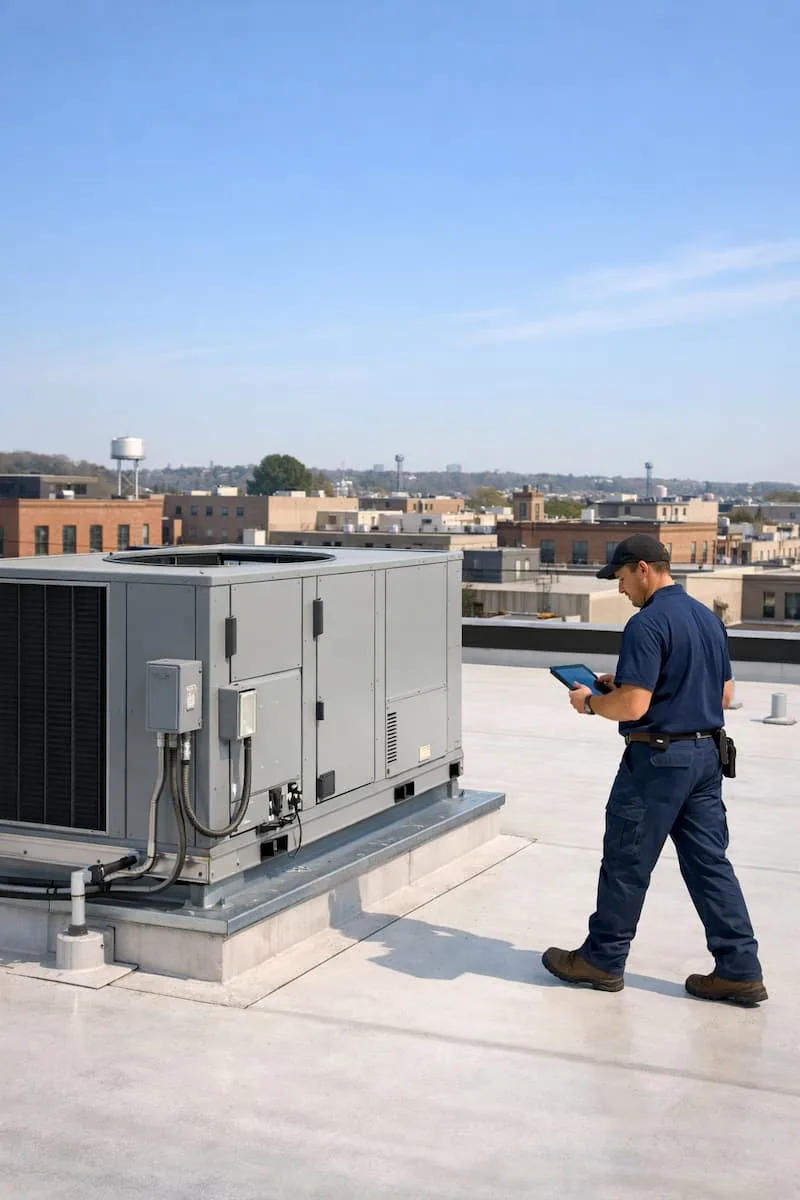
Reflective membranes and coatings can reduce solar absorption at the roof surface under suitable conditions. The whole building result depends on insulation, air leakage, ventilation, equipment, occupancy, and the assembly below. We do not promise a fixed energy reduction from roof color alone. We help the owner compare the current roof with proposed membrane, coating, or insulation options and identify which parts of the building system remain outside the roofing scope.
A reflective finish can change the roof surface condition and how it responds to sunlight, but the decision also needs to account for foot traffic, equipment service, and drainage. We identify walk pads and access lanes where the project calls for them. The selected system should remain maintainable after installation, with repairs and future inspections planned around equipment routes and rooftop work.
Before applying a reflective coating, we check adhesion, membrane condition, seams, flashings, drainage, and moisture. A coating should not cover a loose or wet assembly. If restoration is viable, the scope identifies preparation, reinforcement, compatible chemistry, and the finished surface. If the roof needs removal, we compare reflective membrane choices as part of replacement.
The silicone coating and acrylic coating options have different characteristics and application limits. We select only after checking substrate compatibility, slope, drainage, and exposure.
Insulation affects heat flow through the roof and should be considered with the membrane. We review the existing boards, cover board, deck, attachment, and moisture clues before proposing an added layer. If the owner is planning a new assembly, the specification identifies insulation type, attachment, membrane, and the details at edges and penetrations.
Norfolk’s July daily average highs were near 89°F in climate normals for 1991 to 2020. That climate figure helps frame summer work timing, while the roof and building determine the project need. We look for membrane movement, seam condition, equipment loads, and interior operating concerns rather than inferring an energy problem from climate alone.
A roof insulation and cover-board scope may be part of the project. Drains, scuppers, curbs, and parapets must remain properly detailed if the finished elevation changes. We coordinate the drain work with the selected assembly so the reflective field sheet does not leave outlets too low.
Hampton business parks include office, flex-office, research, light-manufacturing, warehouse, and distribution uses. A cool-roof project can sit above sensitive rooms, rooftop units, or active production. We ask the facility contact about equipment, shutdowns, roof access, and any interior protection before setting the sequence.
Hampton Roads Center includes office, research, and light-manufacturing activity across several business parks. Copeland Industrial Park includes manufacturing, warehouse, and distribution uses with some rail access. These broad area facts help frame delivery and access planning; the property’s actual operating rules decide where materials can be staged and how work zones are closed.
For a site in Hampton Roads Center or Copeland Industrial Park, we coordinate with the site contact and equipment contractor before opening the roof. A reflective surface does not remove the need to manage noise, access, and safe work around occupied space.
Restoration may fit a roof with a serviceable membrane and details that can be repaired. Replacement may be stronger when moisture is widespread, attachment has failed, drainage requires redesign, or the deck needs work. We inspect and document those conditions first, then compare coating with membrane replacement using consistent assumptions.
If a coating is proposed, the estimate describes cleaning, surface preparation, repairs, primer, reinforcement, application, and final checks. It also shows any test patch and excluded area. For replacement, the scope identifies removal, insulation, cover board, membrane, edges, drains, and phasing. Owners can compare the two paths without treating the coating price as if it included work that remains necessary.
A condition inspection can establish the baseline, while a restoration scope or new roof assembly can set the work. Each option should state how it changes maintenance, access, and roof elevation.
Reflective systems still need suitable application weather. Rain, dew, wind, surface temperature, and cure time affect preparation and closure. We schedule from the system requirements and the roof condition, then protect opened areas if weather changes. If the building cannot pause, work can be divided into zones that are ready to close within the planned shift.
Hampton and nearby communities face coastal weather and tidal flooding. Low-lying areas near Hampton Roads shorelines and tidal waterways can face 2 to 3 feet of inundation. Those conditions make drainage and safe access relevant but do not prove that a roof needs a reflective system. We inspect the roof, and the owner decides whether the proposed performance goal justifies the assembly change.
Virginia’s Uniform Statewide Building Code applies to roof repairs and renovation as well as new construction. We coordinate with the owner and project team where a replacement or significant alteration needs review. The roof specification should describe the selected assembly and its details instead of relying on a broad product label.
Cost depends on preparation, repairs, material, insulation, access, protection, equipment coordination, drains, and whether removal is required. Building floor area is not roof area and does not define the work quantity. A survey and condition report give a more useful basis for comparing options.
Timing follows material availability, weather, access, occupant schedules, and cure requirements. If HVAC units or production equipment need coordination, that dependency should be identified before work begins. A reflective system may be one part of an energy plan, but we do not present it as a definite operating-cost reduction. The building’s energy use depends on more than roof surface conditions.
We can document current conditions, compare a coating with replacement, and identify repair items that remain in either scope. The owner can then consider the roof alongside equipment, insulation, maintenance, and capital timing. The final recommendation should fit the building’s evidence and the operational goal stated at the start.