Commercial roofing for Hampton and the Virginia Peninsula

Commercial roofing for Hampton and the Virginia Peninsula
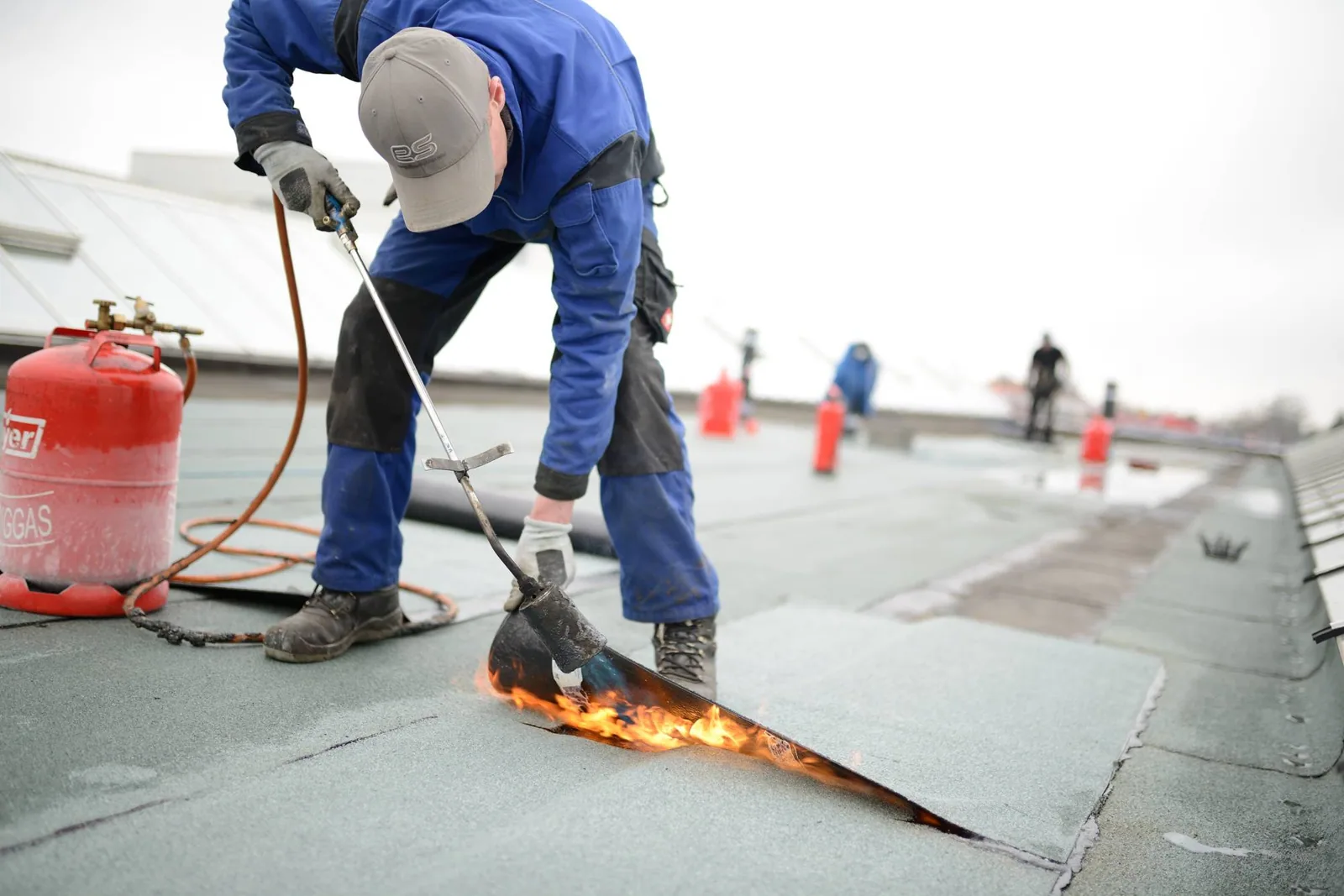
A roof opening needs a complete transition from the membrane to the curb, pipe, or skylight frame. We inspect the flashing, corners, termination, and nearby field sheet before deciding where repair should begin. A bead of sealant at the visible gap may leave a loose flange or failed membrane below it. Hampton commercial roofs can carry equipment for office, research, medical, industrial, and distribution uses, so access and shutdown rules may shape the repair. The written scope identifies each opening, the detail that failed, and the method required to make the transition shed water again.
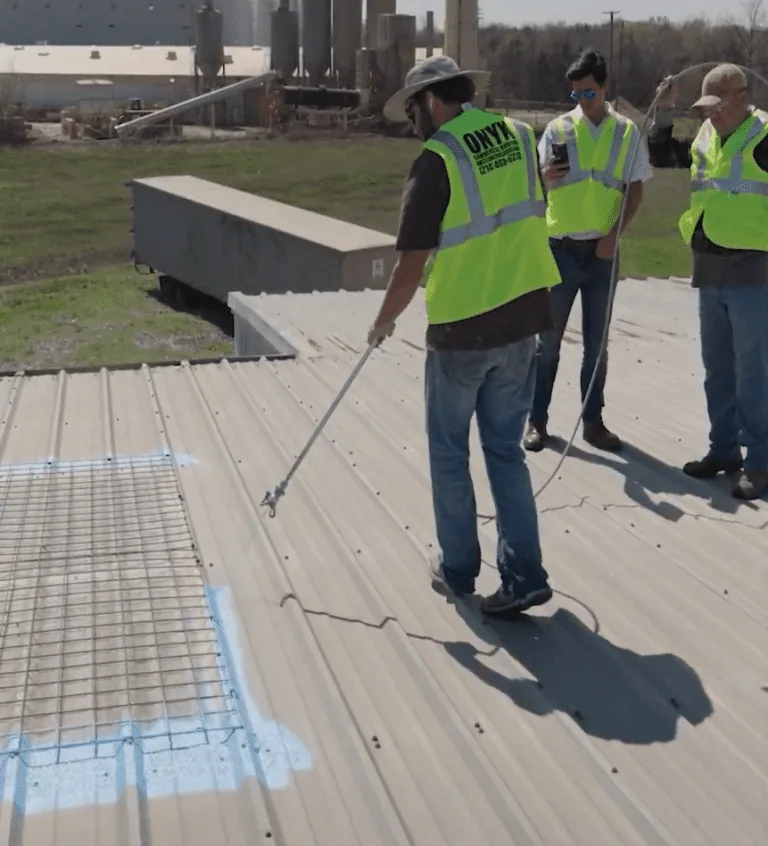
We check the curb or pipe boot, membrane lap, corners, clamping surfaces, counterflashing, and termination. If the opening sits near a seam or drain, we inspect those details too. Water can travel beneath the membrane before appearing at a ceiling or equipment base. We compare the reported location with the roof and interior signs rather than assuming that the nearest penetration is the source.
Skylights require attention to the frame, curb, flashing height, glazing seal, and any visible movement. A crack in the glazing is different from a failure where the curb meets the membrane. For a pipe or conduit, the boot and compression point must fit the penetration and remain secure as materials move. Rooftop units bring a curb and service access into the review; work on the equipment should not damage the roofing transition.
We photograph openings by roof zone and note whether water appears active. If several details share a condition, the scope can group them by area while keeping each repair traceable. A hands-on check determines whether the existing flashing can be repaired or needs rebuilding.
A flashing repair starts with a sound substrate and a compatible connection to the field membrane. We remove loose material, prepare the surface, and install a new boot, curb flashing, or membrane transition suited to the roof system. Corners receive careful reinforcement because cuts and changes in plane concentrate movement. The completed detail should direct water back onto the field membrane, not toward an open lap.
On a low-slope roof, the sequence may involve a reinforced membrane flashing and a secure termination at the curb. On metal, the detail must account for panel movement and closure profiles. Sealant can support a designed joint, but it should not replace attachment or a properly formed flashing. We describe the materials and preparation in the repair scope so the owner can understand what the crew will remove and restore.
A TPO flashing differs from an EPDM transition, and both must match the installed membrane. If the opening is part of an older assembly, a test area or inspection can confirm compatibility before the full repair proceeds.
Hampton’s business-park activity covers offices, flex space, research, light manufacturing, warehousing, and distribution. Across those uses, rooftop equipment and penetrations may include units, vents, exhausts, and service access points. We confirm which equipment must remain online and coordinate with the site contact before opening a curb detail.
Hampton Roads Center connects to I-64 and Magruder Boulevard and includes research and light-manufacturing activity. Copeland Industrial Park sits beside the I-64/I-664 convergence and has manufacturing, warehouse, distribution, and some rail access. Those broad area facts help frame staging and work timing; the actual equipment and building rules determine the method. For a property in Hampton Roads Center or Copeland Industrial Park, we plan around the site’s service schedule and access path.
Hampton’s coastal climate also makes the weather window part of the detail plan. Rain and wind can prevent a flashing repair from being closed properly. If equipment cannot be shut down or the roof cannot be opened safely, we identify a temporary measure and return for permanent work under suitable conditions.
If water is entering around a pipe, skylight, or curb, we assess both the roof and the space below. The building team can protect equipment or relocate movable contents using its own safety procedures. We identify active water, temporary measures, and the permanent repair still needed. A repair visit may require an equipment contact if the flashing is connected to a unit that must remain operational.
Hampton-area coastal warnings describe inundation near tidal waterways, and Hurricane Isabel brought major storm surge to Hampton Roads in 2003. These regional facts are context for planning response; they do not prove a penetration failed at the property. The crew documents the condition observed and whether the water path points to the roof opening.
Where a leak has spread beyond a single curb, we can perform a leak-path repair or a broader condition inspection. If moisture beneath the assembly is uncertain, an infrared survey may help target field testing.
Before work, we confirm roof access, equipment contact, work zone, interior protection, and how the opening will be closed if weather interrupts the shift. If a skylight area sits over occupied rooms, we agree on a barrier and debris controls. If a pipe serves active equipment, the owner coordinates any shutdown with the responsible operator.
We do not assume every opening can be repaired during the first visit. A wet surface, incompatible material, or damaged curb may require drying, testing, or a separate trade. The written scope states what can proceed and what must be coordinated. If the work is above a loading or research area, the site contact can establish the time window that avoids interfering with deliveries or equipment use.
Photos before and after repair show the preparation, flashing, and termination. The closeout identifies any opening that was inaccessible and any further action needed. This makes the record useful when the next maintenance walk checks the same detail.
Cost depends on the number and type of penetrations, roof system, curb condition, access, equipment coordination, interior protection, and whether wet insulation or a damaged deck is found. A complex curb with several transitions differs from a simple pipe boot. We list the locations and describe which details are included so the owner can compare proposals on the same basis.
If the roof has many repeated openings, we can group work by zone and identify priority repairs. The plan should note which details can be addressed in one mobilization and which require equipment downtime or separate access. Material lead time and weather can affect the schedule.
Virginia’s statewide building rules include repair and renovation projects. If a flashing repair expands into a larger reroof or alteration, we coordinate the scope with the owner and design team. The estimate distinguishes localized detail work from a larger assembly decision.