Commercial roofing for Hampton and the Virginia Peninsula
Commercial roofing for Hampton and the Virginia Peninsula
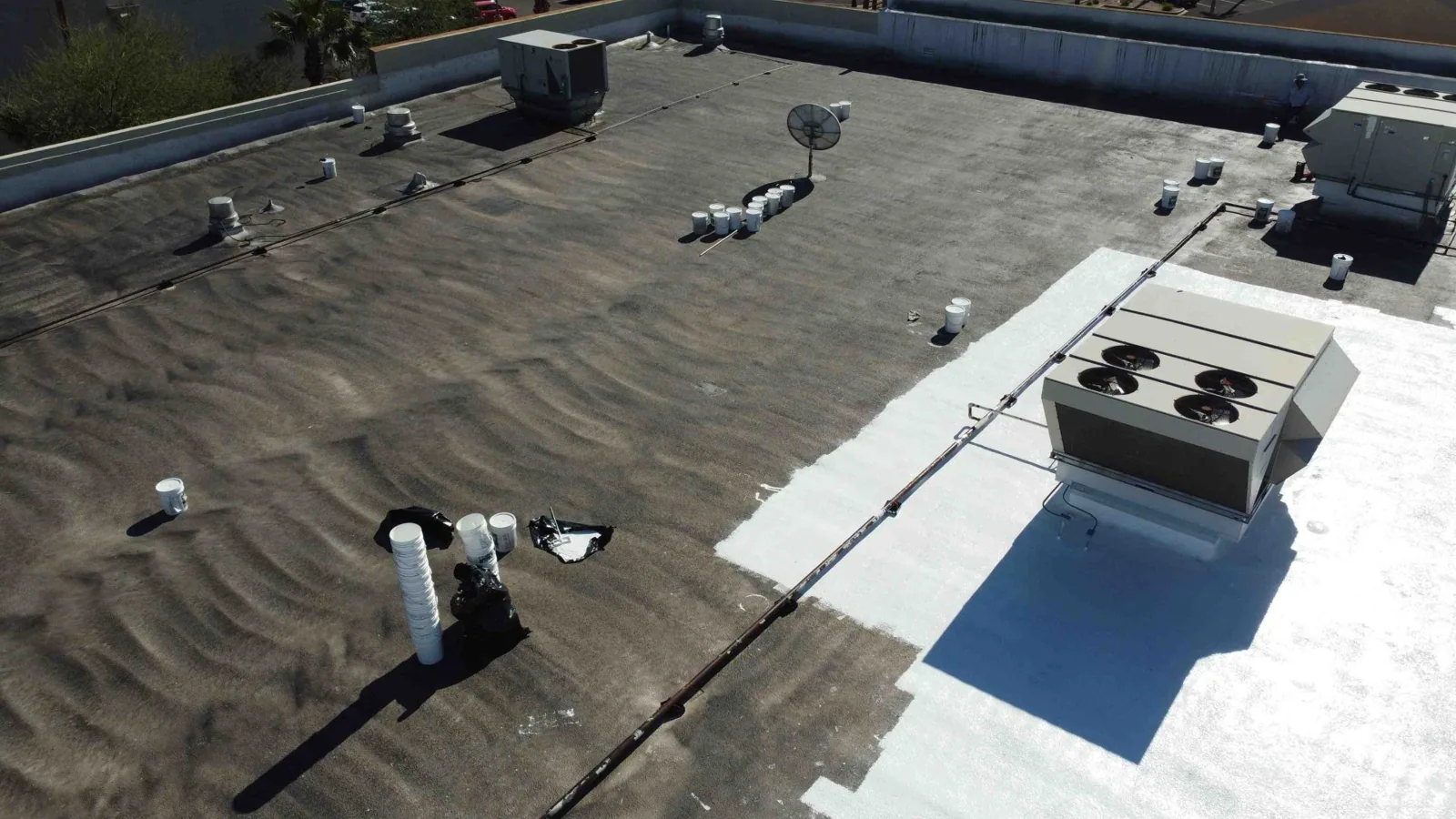
A roof maintenance visit should reduce the number of surprises between capital reviews. We inspect drainage, seams, flashings, edges, rooftop equipment, and prior repairs, then record what needs service and when. Hampton’s mix of office, research, medical, industrial, and distribution buildings makes each plan different. A building with frequent equipment access needs a different inspection rhythm than a roof that stays quiet between visits. We organize work around the assembly, the operations below, and the conditions the last report identified, so an asset manager can see which actions were completed and which still need a decision.
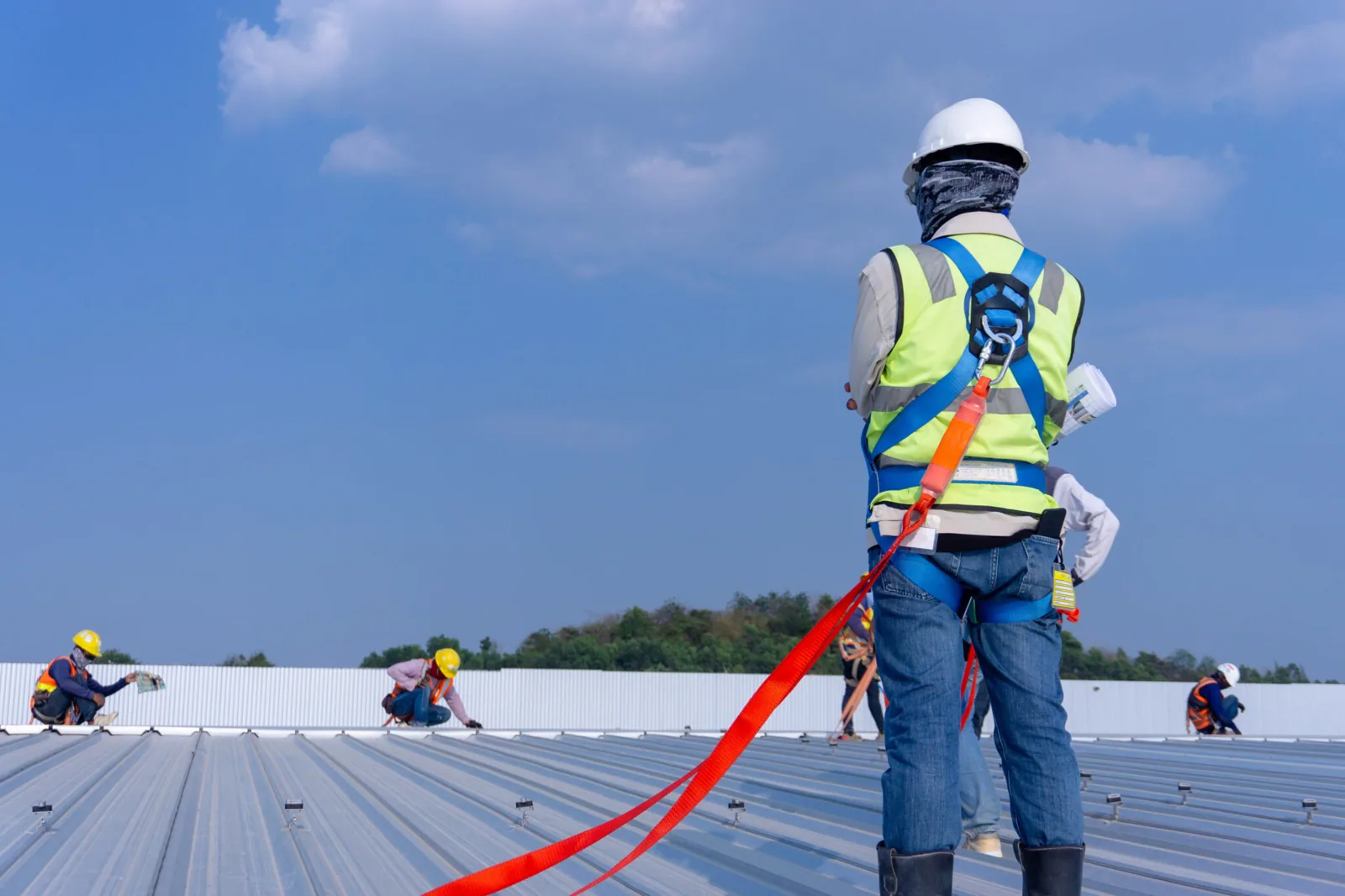
We inspect drains, scuppers, strainers, overflow paths, and low points for debris, blockage, and visible water retention. Outlets should remain accessible and the emergency path should not be treated as routine storage. If water is collecting, the crew records its location and duration when known, then distinguishes a maintenance issue from a slope or structural concern. Cleaning an outlet can help flow; it cannot correct a roof plane that holds water.
Hampton and other Hampton Roads communities can face coastal flooding near tidal waterways. Regional warnings make drainage an important roof-maintenance topic, but they do not establish a condition at an individual property. We inspect the building’s outlets and document the detail. If an area has repeated ponding, we can recommend a closer evaluation of the roof geometry and drainage design.
A maintenance record should note what was cleared, what remained restricted, and whether water was present. Photos before and after service help confirm the work. The owner can then compare the next visit without relying on a general statement that the roof was “checked.”
We review seams, laps, patches, blisters, punctures, and transitions. A small opening at a curb or pipe may allow water into insulation and create a larger interior problem. We note the exact roof zone and whether a repair is urgent, can be grouped with planned maintenance, or needs further testing. The material and repair method must match the installed membrane.
Edge metal, coping, and perimeter attachment receive a separate look. Wind and thermal movement can work on fasteners, cleats, and terminations over time. Loose metal or an open lap is documented with the adjoining membrane so the repair scope addresses the connection. We also inspect rooftop equipment supports and nearby flashings, since maintenance work on equipment can disturb a roof detail.
Where observations point to an active opening, a repair visit may be needed before the next scheduled maintenance cycle. For uncertain moisture, we can plan an infrared moisture survey or a hands-on inspection to answer a specific question.
Hampton's business parks span office, research, flex-office, light-manufacturing, warehouse, and distribution uses, each with its own access and scheduling needs. Those building operations shape access windows, equipment shutdowns, and protection needs. We ask the site contact about roof hatches, restricted areas, recurring tenant needs, and the timing of deliveries before scheduling work.
Hampton Roads Center brings together office and research properties with light-manufacturing sites across several parks. Copeland Industrial Park has manufacturing, warehouse, and distribution uses, with some rail access. The building contact sets the roof-access rules and work hours, which we record before inspection.
Across the 1991 to 2020 normal period, Norfolk's July mean high was about 89°F. Schedule summer visits around heat conditions and property access, while basing maintenance recommendations on roof observations. A maintenance visit ties observations to the building and does not infer roof condition from climate figures alone.
The schedule follows the roof’s condition, service history, access, and owner priorities. A newly repaired area may deserve a follow-up sooner than a stable field membrane. Drains or equipment zones that collect debris may need attention more often than other areas. We list the visit tasks, define any seasonal timing, and identify which findings require owner approval before repair.
For a portfolio, consistent reporting makes roofs easier to compare. We can use the same categories for condition, repair action, urgency, and budget timing while keeping recommendations specific to each building. This lets the asset manager see recurring issues without assuming that two roofs share the same system or remaining life.
Northeastern Hampton neighborhoods face recurrent tidal flooding and long-duration nor’easters. Those regional conditions can affect access and scheduling. We can adjust visit timing when weather or site conditions call for it, then record what was completed and any area that could not be checked.
After each visit, the owner should have photographs and a short list of maintenance completed, open defects, and items to review with a designer or capital team. We identify whether a condition is active, what temporary measure was installed, and what follow-up would resolve a remaining question. The record should make it easy to locate a detail without searching through an unlabeled image folder.
Virginia’s Uniform Statewide Building Code applies to maintenance and repair as well as new work. A routine roof visit is not a code inspection, but records can help document a repair or renovation scope. We note visible conditions and agreed actions without making a compliance determination beyond the work inspected.
When a roof approaches a larger decision, the maintenance log can support a condition inspection, recover review, or replacement plan. The owner can compare current findings with prior repairs and choose which areas need more investigation.
Maintenance cost depends on roof access, number of outlets and details, debris load, safety controls, and any repair work approved during the visit. We separate scheduled tasks from corrective repairs so the owner can see what the service plan includes. If the crew finds wet insulation or a larger defect, we document it and price the added work rather than folding it into a vague maintenance line.
Timing follows the building calendar, weather, and the work required. A service visit can be planned before a high-use period or after equipment maintenance, if that fits the property. Emergency work remains available when active water cannot wait for the next scheduled visit.
Regular attention is useful when it produces a record and a prioritized action list. It is not a promise that no leak will occur. The maintenance plan gives the asset manager a way to find developing conditions, make a repair decision, and keep future capital planning tied to observed roof needs. A visit calendar can pair each zone with its access window, priority item, and next inspection date for the facilities team.