Commercial roofing for Hampton and the Virginia Peninsula

Commercial roofing for Hampton and the Virginia Peninsula
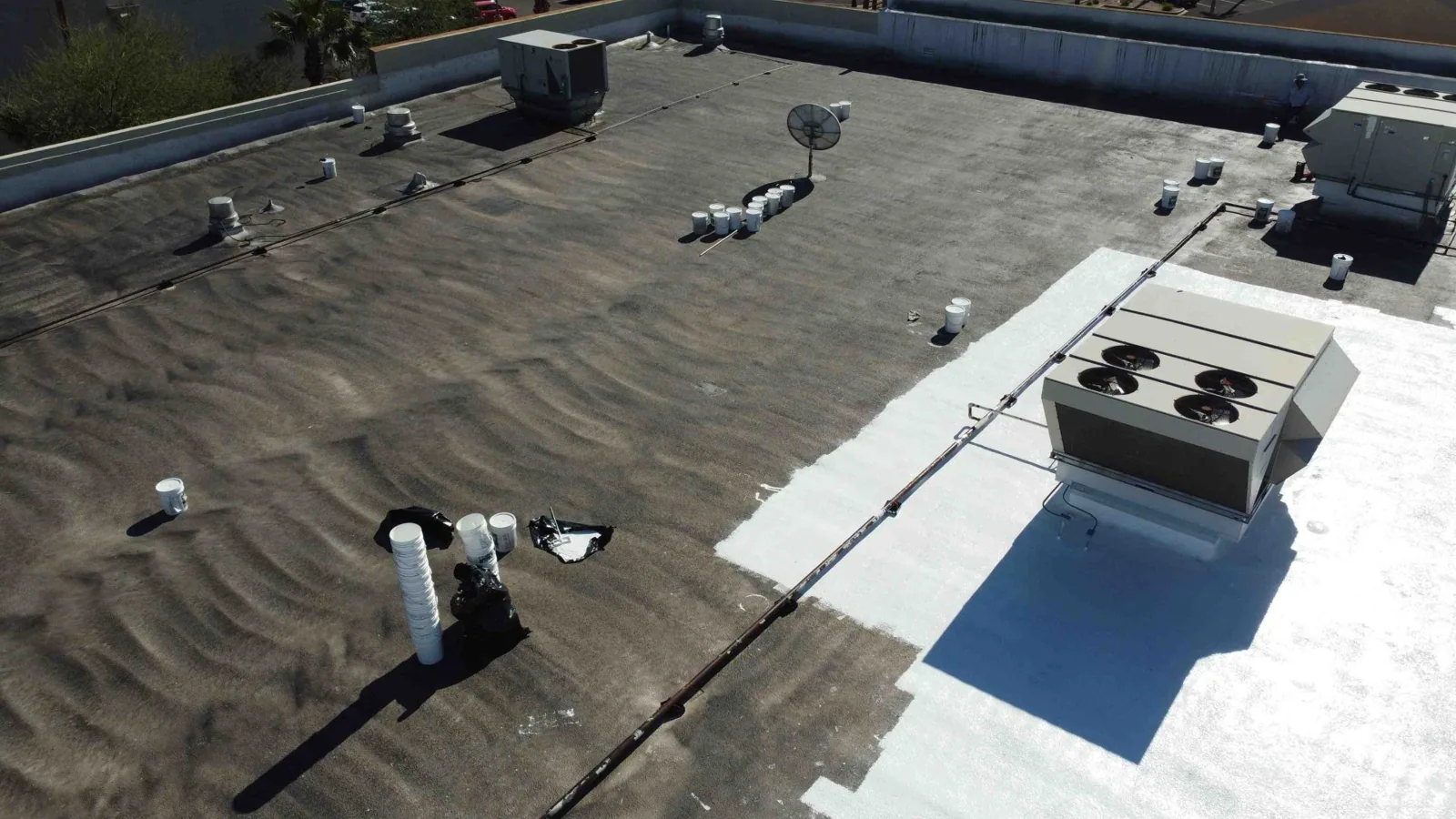
A coating can renew a suitable roof surface, but it cannot turn every assembly into a restoration candidate. We inspect the existing membrane, seams, flashings, drains, edges, and moisture conditions before recommending a coating scope. The decision also depends on whether the roof can be prepared, whether details can be rebuilt, and whether the surface will accept the selected system. Hampton’s coastal weather makes drainage and perimeter details important review points, while each roof’s actual condition determines the work. The owner receives a clear explanation of what the coating can address, what must be repaired first, and where replacement is the stronger option.
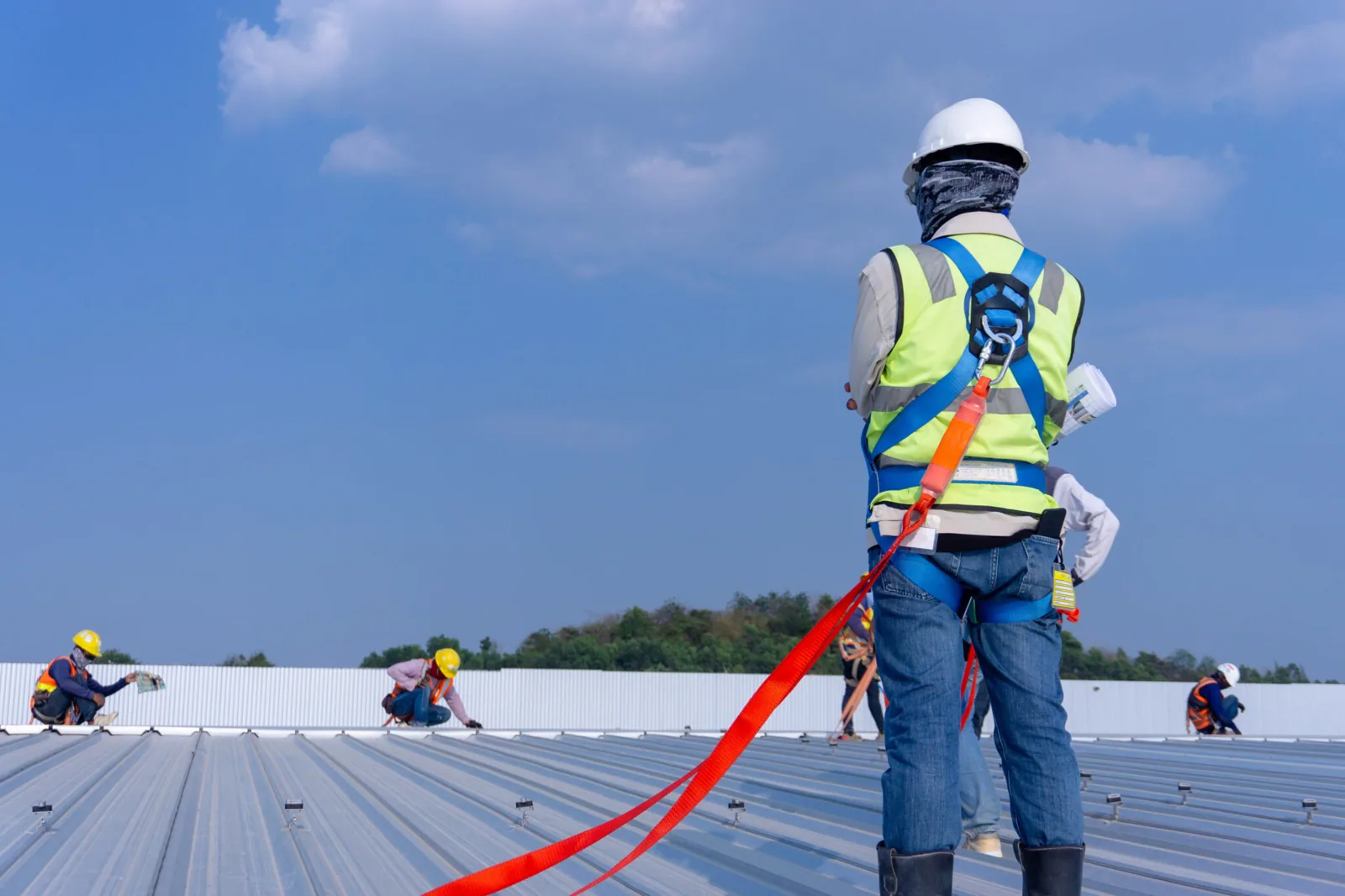
Before coating, we check whether the membrane is attached and serviceable, whether the surface can be cleaned and prepared, and whether seams and flashings can be repaired. Wet insulation, widespread delamination, poor drainage, or a damaged deck can rule out restoration until those conditions are corrected. We use test openings or other appropriate checks when visible evidence leaves a consequential question.
The coating has to bond to a compatible substrate. Existing products, contaminants, trapped moisture, and prior patches affect preparation and adhesion. We identify a test area when needed and document the result before the estimate treats the whole roof as suitable. The proposal should show what preparation, repairs, and reinforcement are included.
Across Hampton’s business parks, activity ranges from office and research work to light manufacturing, warehousing, and distribution. Different buildings bring different penetrations, equipment, access rules, and interruption limits. We review those conditions before selecting restoration because a coating system is only one part of the roof assembly.
Silicone and acrylic coatings have different performance characteristics and installation conditions. We compare the substrate, slope, drainage, exposure, and maintenance requirements before choosing a chemistry. The specification should name surface preparation, primer where required, reinforcement at details, target application, and how the finished work will be checked. A product label does not replace a field scope.
Seams, curbs, penetrations, drains, and edge transitions need repair or reinforcement as appropriate before the field coating is applied. If the existing roof has loose laps, wet insulation, or failed perimeter metal, coating over it can preserve a defect. We list each repair and its sequence. A silicone coating or acrylic coating must be compatible with the roof being restored.
The work can include penetration flashing repair where details affect the tie-in. Each area is identified so the asset manager can distinguish preparation, repairs, and coating application. We also note which roof zones need a test patch before the full application, reducing the chance that an incompatible surface is carried into the project.
Coating work requires a suitable surface and weather window. Rain, dew, temperature, and wind can affect preparation, application, curing, and protection of open details. We schedule from product requirements and the actual forecast, not from a general seasonal promise. If the building must remain operational, we phase the work so the crew can close each area safely. Each closed zone receives a photo record of repaired details and the day’s completion boundary.
Norfolk’s July daily high averages about 89°F, with daily temperatures near 81°F. At a Hampton building, check the roof’s surface temperature and moisture, wind, and forecast against the coating instructions. Flood warnings for low-lying shoreline and tidal-water areas have described inundation from two to three feet, so drainage and dry-in planning also shape the work window.
Hurricane Isabel brought major storm surge to Hampton Roads in 2003. Storm history does not decide whether a coating is appropriate today. We inspect the existing roof, including seams and attachment, and identify whether wind or water has affected details. If widespread failure is present, the restoration recommendation changes.
Copeland Industrial Park combines manufacturing, warehousing, and distribution, and some areas have rail access. Hampton Roads Center’s parks include offices, flex-office, research, and light-manufacturing. For either setting, the individual facility contact determines delivery, staging, and roof-entry rules; those operating details belong in the job plan.
We ask the site contact about roof hatches, loading, equipment, and occupied areas before work. If coating must be kept away from intakes or sensitive equipment, the plan identifies controls and sequencing. For properties in Copeland Industrial Park or Hampton Roads Center, the building’s operating rules determine when each roof zone can be prepared and coated.
When the building cannot pause, we can divide the roof into smaller zones and set a daily closure detail. A written plan identifies where workers will stage materials and what must remain dry. If rain or wind changes the day’s conditions, we close the prepared area and reschedule the remaining application rather than leaving the assembly open.
A coating estimate should describe cleaning, surface preparation, patching, seam treatment, reinforcement, primer, application, and final review. It should also identify drains, curbs, penetrations, and edges that need separate repair. Clear quantities make it possible to compare restoration with replacement without hiding work in an unspecified preparation allowance.
We document test areas, moisture findings, and any roof sections excluded from coating. If testing shows wet insulation, the scope can identify removal and replacement for those locations before coating continues elsewhere. A moisture survey may help define areas for confirmation, but test results and field checks determine the final repair boundary.
The owner should know how the crew will protect adjacent surfaces and equipment, how access is controlled, and how the coating will be checked after application. We can provide photos and a written completion record. The aim is a maintainable assembly with a documented scope, not a product claim detached from the roof condition.
Restoration may reduce removal and disruption when the existing roof is sound enough to remain and details can be corrected. Replacement can be preferable when moisture is widespread, attachment has failed, the deck needs work, or drainage and elevations require a larger redesign. The inspection record shows which conditions support each choice.
Virginia’s Uniform Statewide Building Code applies to maintenance, repair, renovation, and new work. We coordinate a substantial roof scope with the owner and design team so the selected assembly receives the appropriate project review.
We can prepare a condition report, estimate a recover, or price a replacement beside coating. The asset manager can then weigh serviceability, repair needs, schedule, and capital timing using the same roof findings.