Commercial roofing for Hampton and the Virginia Peninsula

Commercial roofing for Hampton and the Virginia Peninsula
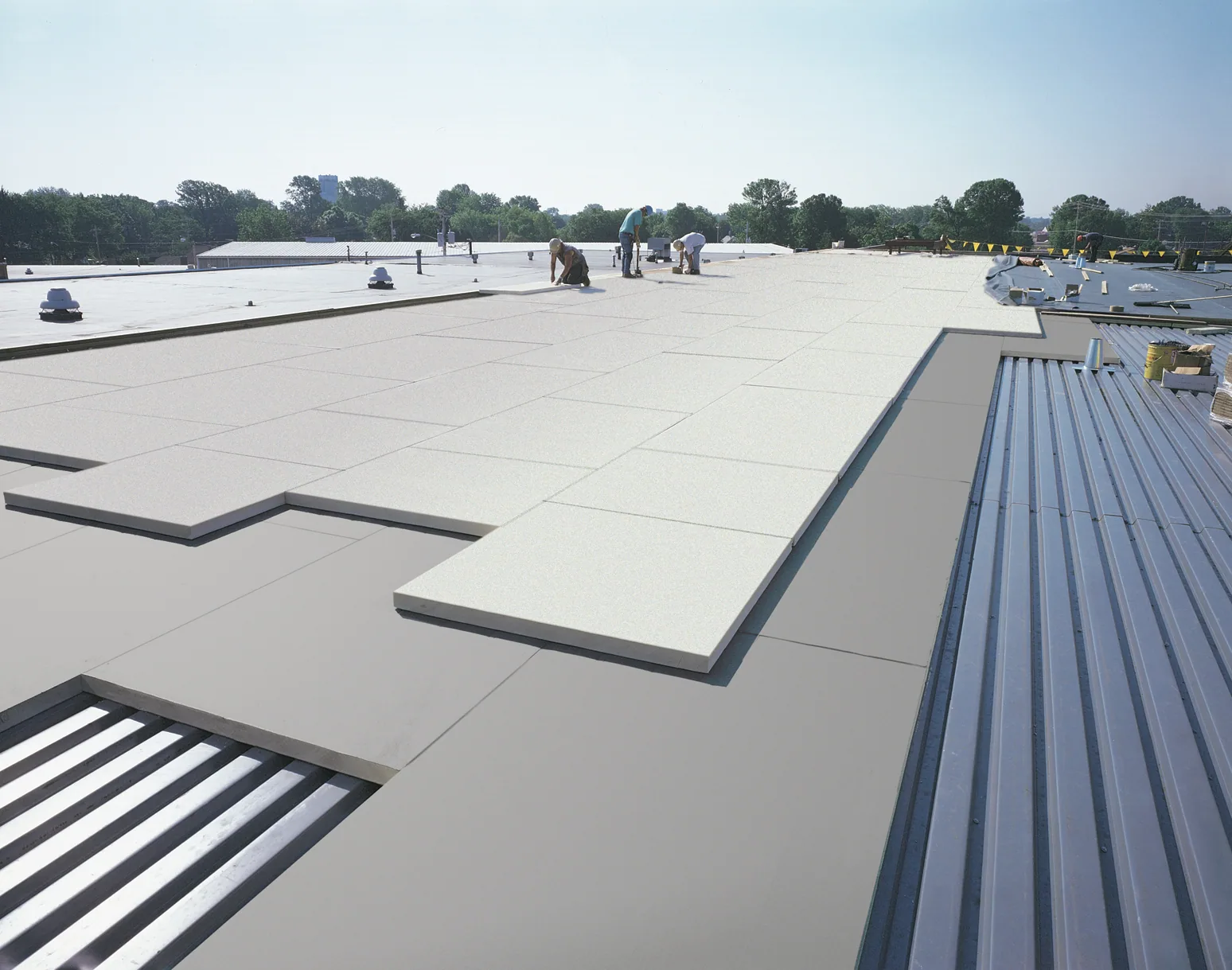
A roof claim starts with a record of what is visible, when it was reported, and what work is needed to protect the building. We inspect the roof, photograph affected areas, and prepare a repair scope that separates confirmed conditions from questions requiring more review. The file can help an asset manager communicate with an insurer, adjuster, or consultant, but it does not predict coverage or claim approval. In Hampton, where wind and coastal water concerns can complicate a response, the first job is to stabilize active exposure and preserve a clear account of the roof conditions.
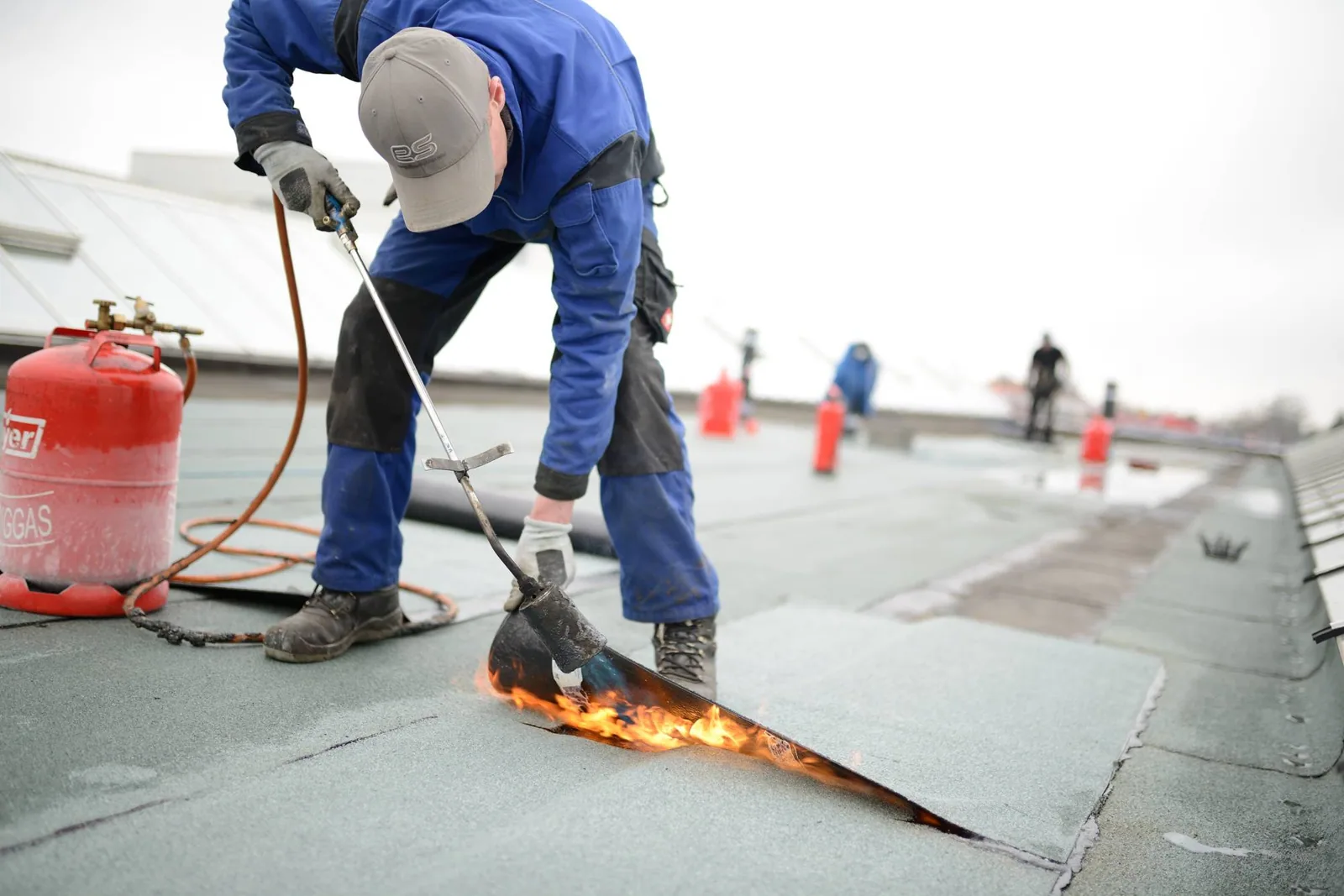
We document the roof and interior signs before moving or replacing materials when access and safety allow. Images identify the roof zone, seam, flashing, edge, drain, or penetration involved. Notes state whether water was active, what temporary protection was applied, and which areas remain uninspected. If the owner has earlier photos or maintenance logs, those can help build a chronology, but current field conditions still need their own record.
A stain does not prove where water entered, and a storm date does not establish the cause of every defect. We trace the likely path and describe what the crew can verify. If damage appears localized, the report explains the affected detail. If the assembly needs broader testing, we identify the question and next step.
The 2003 Isabel event produced major storm surge across Hampton Roads. For a current claim, document the roof condition, affected area, and work completed after the event. A claim file should distinguish local weather records from the specific roof findings and the dates documented at the property.
We inspect seams, membrane, penetrations, perimeter details, drains, curbs, equipment supports, and prior repairs. Metal roofs receive a review of panel laps, fasteners, closures, and flashing movement. The report notes whether a condition appears active, whether it can be repaired, and whether concealed layers may need testing. Each recommendation ties to a location and a visible observation.
If moisture is suspected beneath the membrane, we may recommend a targeted infrared moisture survey or an approved test opening. The scope states what the test can answer and how the roof will be restored afterward. We avoid presenting a temperature pattern or one test cut as a complete map of the roof.
A wider commercial roof inspection can help when multiple areas or earlier repairs need comparison. The owner receives photographs, findings, and action priorities in a format that can be reviewed with the project team. It remains a roof condition record, not a decision by the insurer.
Low sites near Hampton Roads shorelines and tidal channels can face coastal flooding. Weather warnings have described possible inundation in some low-lying areas, and city resilience work notes tidal water and nor’easters among northeastern neighborhood concerns. This background may inform readiness, but a claim file still needs dated, property-specific inspection notes and photos.
Hampton’s business-park portfolio spans office and research space, flex offices, light manufacturing, warehouses, and distribution operations. Claim documentation for an occupied building should note access limits, equipment protection, and any business operation affected by the roof work. We use the site’s actual conditions rather than assuming a building’s roof or contents from its district.
For assets around Coliseum Central or Copeland Industrial Park, the repair plan should fit the property’s operations and access route. Hampton describes office, retail, medical-service, and mixed uses in Coliseum Central, and industrial uses at Copeland. Those broad facts frame coordination only; the inspected building supplies the claim evidence.
If water is actively entering, temporary protection may be needed before all claim questions are resolved. We identify the measure, the area it covers, and the permanent repair still required. The building team can protect contents and maintain operations while the roof work is planned. Temporary work is photographed separately so it does not disappear from the final record.
A permanent repair restores the affected water-shedding detail with compatible material. That may mean rebuilding a seam, pipe flashing, curb, or edge termination. If the opening reveals wet insulation or deck damage, we document the added condition and discuss a separate scope before proceeding. We can coordinate a repair or temporary emergency stabilization based on safe access and weather.
Virginia’s statewide code covers repairs and renovation in addition to new construction. We coordinate the roof work with the owner and design team where the scope requires that review. Claim documentation does not replace permit or project coordination.
A repair estimate should name the area, material, preparation, access, protection, and repair detail. It should separate verified damage from concealed conditions that need opening or testing. If a broader replacement is recommended, the proposal explains the roof findings that support it, not just a single interior stain.
The cost may depend on roof height, access, work hours, material availability, interior protection, and damaged layers. We show assumptions and identify what would change the scope. We do not state a carrier decision or imply that an item is covered. The owner can review the technical record with their insurer and project advisers. Where the roof has several distinct conditions, photos and a location key help keep each estimate line tied to its work area.
If the roof may need a replacement or a qualified recover, we can prepare options from the same inspection. The comparison should include removal, retained layers, drainage, perimeter details, and work phasing. That gives the asset manager a clear roof scope regardless of the claim outcome.
After repair, we provide a closeout record showing completed work, photos, materials, and open items. The owner can keep it with maintenance logs so future roof conditions are compared against the right baseline. If temporary protection remains, we label it and set the follow-up needed to complete the permanent detail.
Hampton’s coastal exposure and the city’s resilience planning make a clear response record useful for future decisions. A separate inspection can identify ordinary wear or maintenance concerns that are not part of a reported loss. We keep each finding in its proper scope so an older condition is not blended into the event record.
Routine inspection can establish that broader baseline, while maintenance visits record drainage, seams, flashings, and repairs over time. These records help the owner plan future work without treating them as a promise about insurance results.