Commercial roofing for Hampton and the Virginia Peninsula

Commercial roofing for Hampton and the Virginia Peninsula
After water or wind affects a roof, the first useful record is a clear separation between what the crew observed and what the policy will cover. We identify the reported area, active water, visible roof conditions, access limits, and any temporary protection already in place. The roof walk checks seams, edges, drains, penetrations, and prior repairs; photographs and records tie each finding to a roof area. Hampton Roads has a documented storm history: Hurricane Isabel brought storm surge and heavy rain in September 2003. That regional event does not establish damage at an individual property. A storm-related roof assessment can document current conditions and define roofing work without making a coverage determination.
A claim file is easier to review when every observation names where it occurred, what was visible, and whether water was active. We photograph the roof area, describe the component or transition involved, and record any interior condition that can be viewed safely. If a ceiling stain appears away from the roof opening, the report does not treat the stain as the entry point without field support.
The report can also state what was not accessible and what follow-up would answer an open question. A moisture survey or test may be useful when concealed wet material could change removal limits. Temporary protection is documented separately from permanent repair. A roof inspection record can provide a factual starting point for the owner, adjuster, or other reviewer, while policy interpretation remains with the insurer and policyholder.
If water is still entering, protecting occupied space and contents is the immediate task. We check the affected rooms, equipment, and operating constraints with the site contact, then determine whether the roof can be accessed safely. A temporary measure may reduce exposure until permanent material and a suitable weather window are available. Its location and expected follow-up are written down so the file does not confuse stabilization with completed repair.
When the roof can be inspected, the crew traces the opening through nearby seams, curb flashing, drains, edge metal, and prior patches. The work plan separates emergency labor from later replacement or investigation. An emergency repair visit can establish what was protected, what remains exposed, and what permanent step is recommended. The report is limited to roofing observations and the work performed.
For historical context, Isabel's September 2003 storm surge affected Hampton Roads, and heavy rain with high water affected Virginia roads farther south and west; that does not describe a particular roof. A history of regional weather can help explain why a property owner is reviewing records, but it is not proof of damage at a particular roof. Current conditions must be photographed and recorded in context.
Flooding near Hampton Roads shorelines and tidal waterways can reach homes and businesses; low-lying areas have had a warning of two to three feet of inundation. That warning is not a property forecast. For roof work, we inspect drainage paths, scuppers, perimeter transitions, and the observed leak area. If an owner reports new water after a storm, the report distinguishes recent findings from prior repair history and identifies any area requiring further testing.
Office, retail, medical-service and mixed-use properties form part of the commercial mix across Coliseum Central and Downtown Hampton. A claim file still needs the insured address, roof area and dated field photos, so a district label never substitutes for the actual inspection. These district facts provide market context, not a claim about any insured property. A report should identify the actual building, roof area, date, access conditions, and photographs so a reviewer can connect the findings to the right asset.
Mercury Boulevard, King Street, and Pembroke Avenue are major commercial roads, with business nodes at Big Bethel/Hampton Roads Center Parkway and Fox Hill/Willow Oaks Boulevard. Those corridors can orient a service visit, but they do not establish a roof’s assembly or condition. Work in Downtown Hampton is scoped to the property and the observed roof details. Where an owner needs access coordination or a public asset record, public-building roofing documentation can address the building’s operating and recordkeeping needs without expanding the claim statement.
A roofing estimate should state the work area, preparation, material, flashing, temporary protection, access needs, and any assumption that could change after removal. If a concealed condition is found, we photograph it and request direction before expanding the work. The estimate distinguishes repair from replacement and records any follow-up test required to set the final boundary.
That scope is not an opinion about policy coverage, causation beyond field evidence, or payment. It is a description of observed roof conditions and proposed roofing work. The adjuster and policyholder determine questions under the policy. A roofing claim assistance file can include the report, photographs, and work scope needed to communicate the physical condition, with no promise of approval or reimbursement.
When a permanent repair is authorized, we restore the seam, flashing, penetration, or damaged field area using materials compatible with the installed system. The crew records preparation and closeout, then identifies any nearby detail that remains under observation. If removal exposes wet insulation or damaged deck, the condition is documented before the scope changes.
For a membrane roof, the repair method depends on the actual product, surface condition, and substrate. A TPO membrane repair may require compatible material, clean preparation, and a confirmed weld. Metal and coating systems call for different details. We do not use one system description as proof of what is installed. The owner receives the work area and completion record to add to the property file, along with any limitation or next inspection recommended from the field findings.
After the visit, the file can contain the date, access conditions, photographs, observed components, temporary measures, repair scope, and remaining recommendations. The sequence helps the next reviewer understand what the crew saw and what changed during the work. If another trade or contractor continues the project, the roof boundary and unresolved detail should be clearly stated.
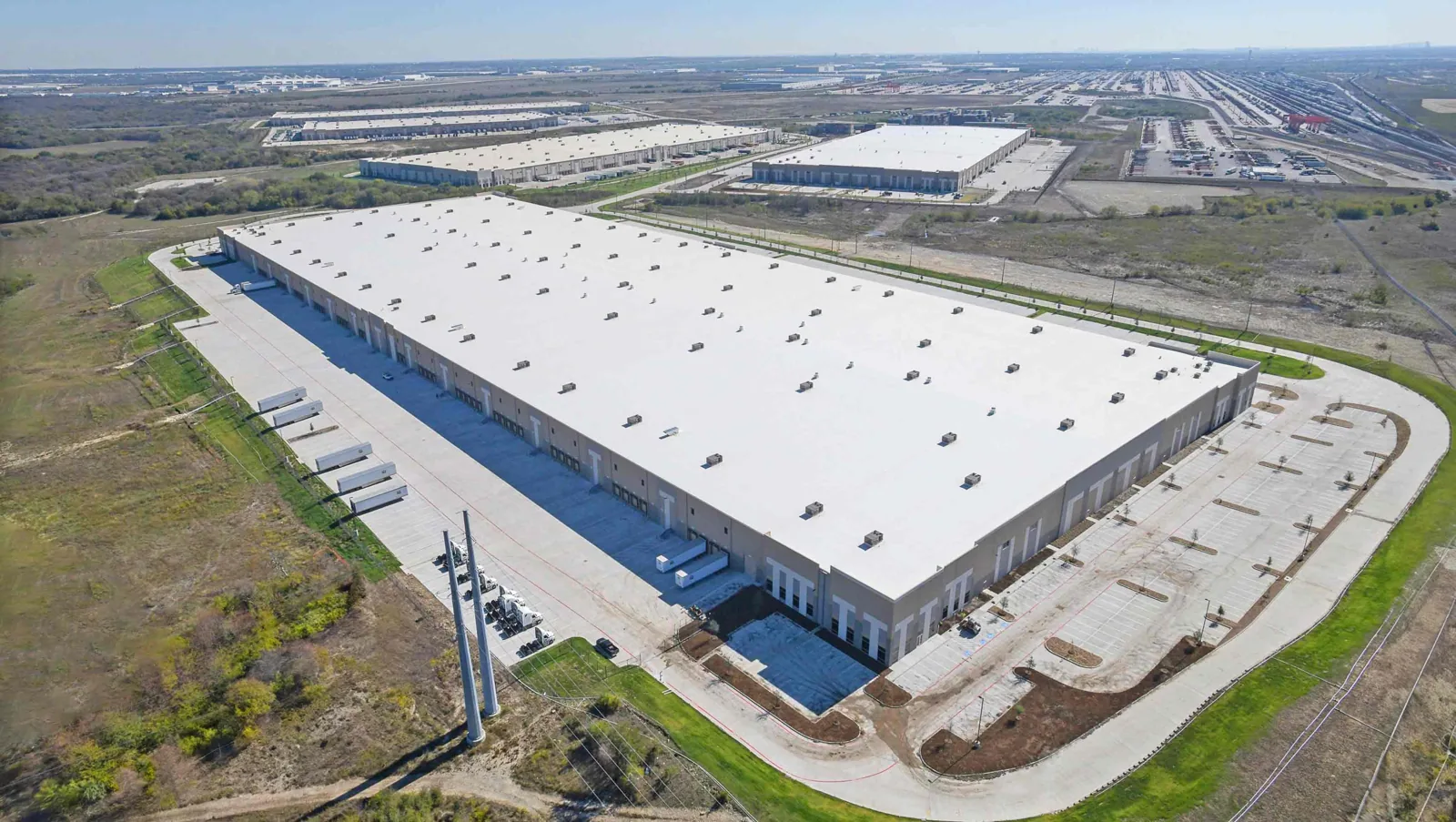
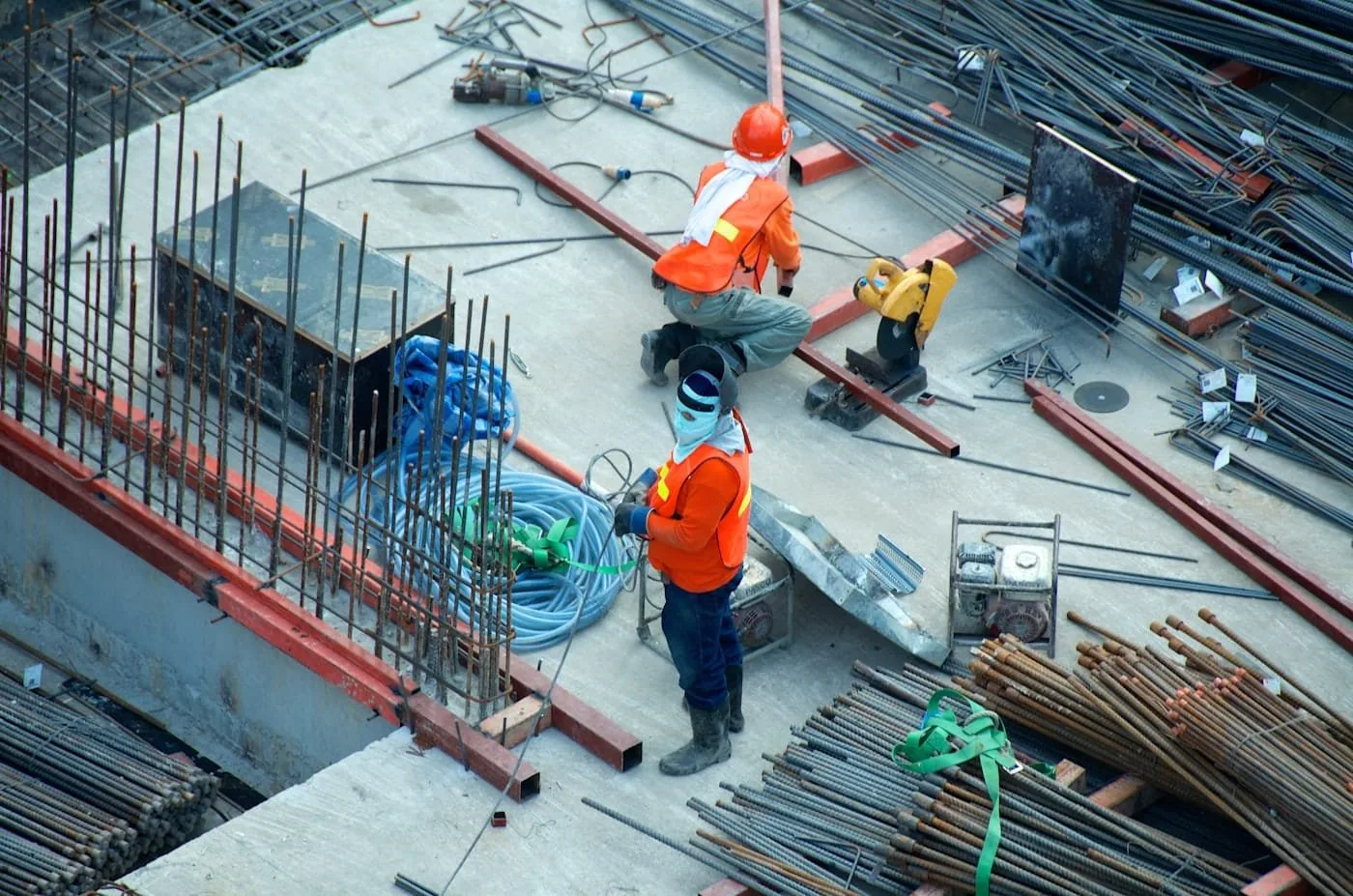
Hampton’s business parks include warehouse, distribution, office, and light-manufacturing uses across several areas. Those broad uses do not describe a specific claim or roof. For active construction or multi-trade repairs, a general contractor coordination record can keep roofing interfaces clear. After repairs, preventive roof maintenance can revisit drains, flashings, and prior work. The owner can compare future conditions with the dated report, rather than relying on a short record that a leak was fixed. Before leaving, the crew confirms who receives the photographs, whether temporary material remains, and what condition triggers a return visit. That handoff helps the property team keep the file current.