Commercial roofing for Hampton and the Virginia Peninsula

Commercial roofing for Hampton and the Virginia Peninsula
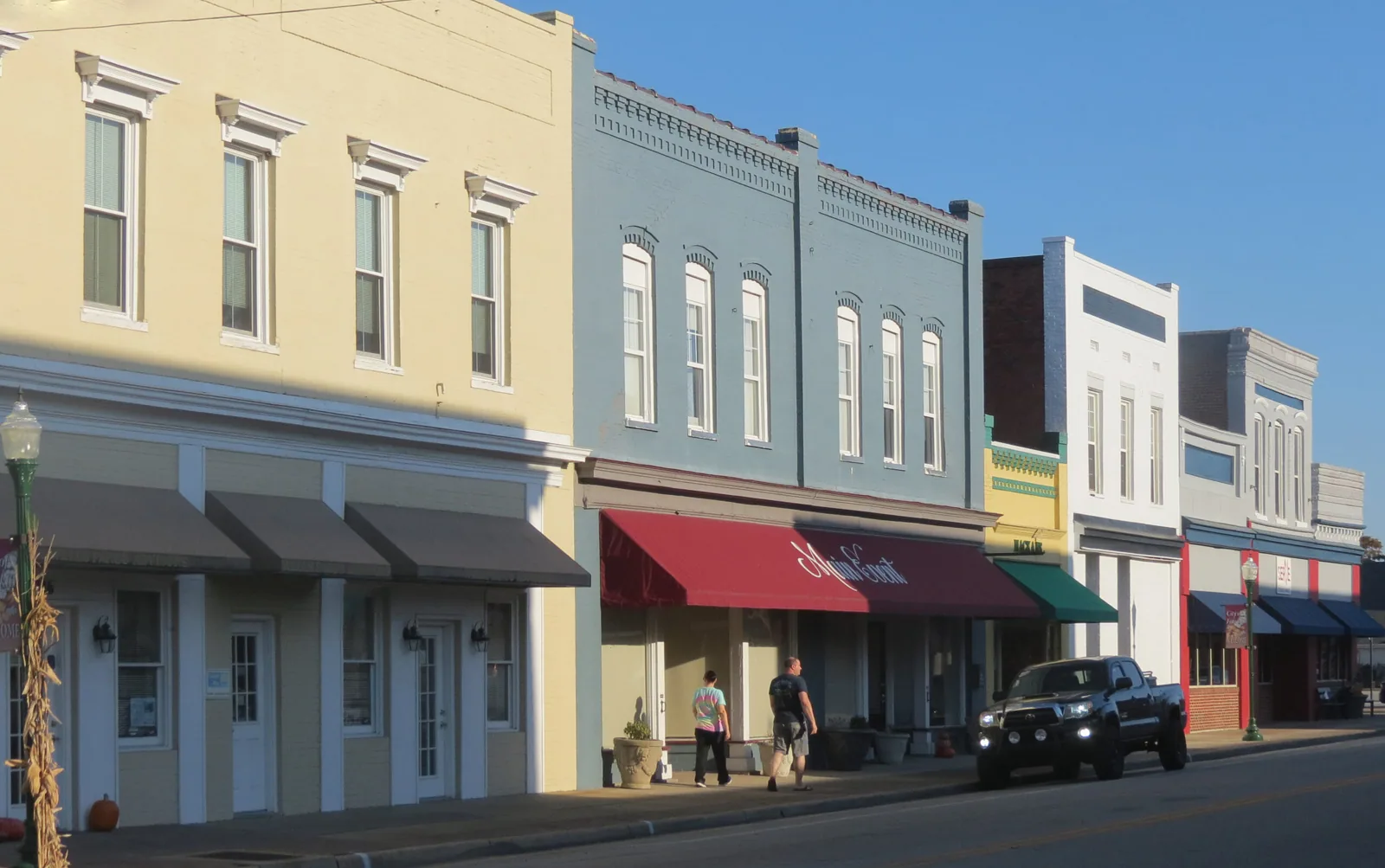
A roof issue above an occupied office needs a clear path from the reported room to the roof detail that may be involved. In Downtown Hampton, the building mix includes small offices and Class A office buildings in a district on the Hampton River at the mouth of Hampton Roads Harbor. We ask where water appeared, what operates below it, and which roof areas can be reached. Then we inspect seams, penetrations, edges, drains, and wall transitions before setting a scope. Record roof elevations, outlet access, and changes in membrane or metal by section; pair an overview photograph with close images of any detail that needs follow-up. A commercial roof inspection records what the crew can see and the questions that need more access.
The watershed-level resilience plan covering Downtown Hampton, Phoebus, and Buckroe was completed in October 2023. For a Downtown service call, identify actual drains, scuppers, and overflow paths, then locate reported interior water by roof zone and date. This keeps the building record distinct from broader district planning.
A ceiling mark may form away from the point where water entered. We trace the report toward seams, pipe flashings, curbs, parapets, and drains, then compare those details with prior repair notes. If the surface is dry, the crew records whether the stain appears old and what conditions still need review. If moisture is active, we note the affected room and the protection needed while the permanent repair is planned.
Office operations can constrain access below as well as on the roof. We confirm building hours, equipment locations, escort or key arrangements, and the route for moving materials. We plan around occupied hours, equipment clearances, approved entry, and material movement. The photo-backed condition report ties each image to a roof location, describes the visible detail, and sets out the follow-up. If weather or access ends the walk early, the report keeps that limit on record.
Downtown's position by Hampton River and Hampton Roads Harbor makes drainage and water entry worth documenting without assuming one caused the other. We inspect the roof's discharge path and record it separately from any water observed at grade or inside a room.
For a localized defect, the repair starts with the system, substrate, and full boundary of the damage. We check whether a seam is open, flashing has separated, a penetration has shifted, or earlier patch material has lifted. Preparation and compatible materials follow the membrane and manufacturer details. The scope names the repair area and any nearby condition that remains unresolved.
When water is active, temporary protection may be the first work completed. We coordinate it with the rooms below, building contact, and the next available repair window. A commercial leak response should document where water was reported, what was observed at the roof, and what remains open. We avoid treating one ceiling stain as proof of a building-wide roof condition.
Downtown, Phoebus, and Buckroe appear together in the city's watershed planning, but they remain distinct areas with separate property contacts and roof conditions. A repair visit is arranged for the building where work is authorized. The property contact confirms access to occupied rooms, roof equipment, and any area that must remain clear.
A replacement discussion may follow repeated leaks, broad seam failure, wet insulation, or deterioration across several roof sections. We review the deck, insulation, drainage, edge metal, and transitions before comparing tear-off and recover paths. The written scope should state what will be removed, what remains, how the new membrane meets walls and equipment, and how each open area will be kept dry at shift end.
For an office property, phasing and notice can be as important as material selection. We plan deliveries, noise windows, temporary protection, and access around the building's actual operations. A commercial replacement plan can identify section boundaries and decision points if concealed materials differ from what the inspection showed.
The inspection records how each roof drains, where water entered, and whether substrate damage changes the planned work. We photograph findings and keep each building’s record separate.
Before work begins, identify occupied rooms, equipment clearances, approved entrances, staging areas, and hours when noise or material movement must be limited. Confirm those details with the building contact and put them into the roof-access and protection sequence.
After rain or high water, the crew follows the reported path and distinguishes roof entry from other routes through the building. The report identifies the observed outlet or flashing condition and the next check needed to close an open question.
For an asset with several addresses, a Phoebus roof visit or Buckroe service-area inspection needs its own access plan and report. Within Downtown, the roof file should identify building, section, date, photographs, repair method, and unresolved items. That preserves a useful record for the next call without mixing conditions between properties.
A maintenance visit is useful when it compares roof details over time. We review known seams, penetrations, flashings, drains, and prior repair areas, then record changes from the last inspection. A recurring leak near one detail calls for tracing that route again, not automatically repeating the previous patch. The owner can use the findings to choose a repair window or schedule more investigation.
Keep plans, product data, warranty documents, photos, and completed scopes together. A roof asset record can distinguish roof sections and preserve service history. Label photographs with the building and area they show. That prevents a note about one office roof from being carried into a separate asset without evidence.
Downtown buildings may have different hours and interior restrictions. We coordinate roof access and the work zone with the responsible contact, then leave a closeout note showing what was repaired, what was only observed, and which issue remains open. The next inspection can start from that record instead of repeating basic discovery.
The right next step depends on active water, defect size, membrane condition, and access. A bounded flashing repair may be enough for an isolated failure. Repeated moisture or widespread deterioration may call for broader inspection or replacement planning. We state what the field visit supports and what could not be confirmed.
Before a Downtown Hampton roof walk, share the affected room, reported leak location, access rules, roof plan, and prior repair notes. Identify any office operations or equipment that need protection. We can then plan the visit around the building's schedule and return findings linked to the relevant roof area.
Call with the property, access limits, and next operational deadline. We can inspect the roof details, record the condition, and outline a practical repair window or next investigation.