Commercial roofing for Hampton and the Virginia Peninsula

Commercial roofing for Hampton and the Virginia Peninsula
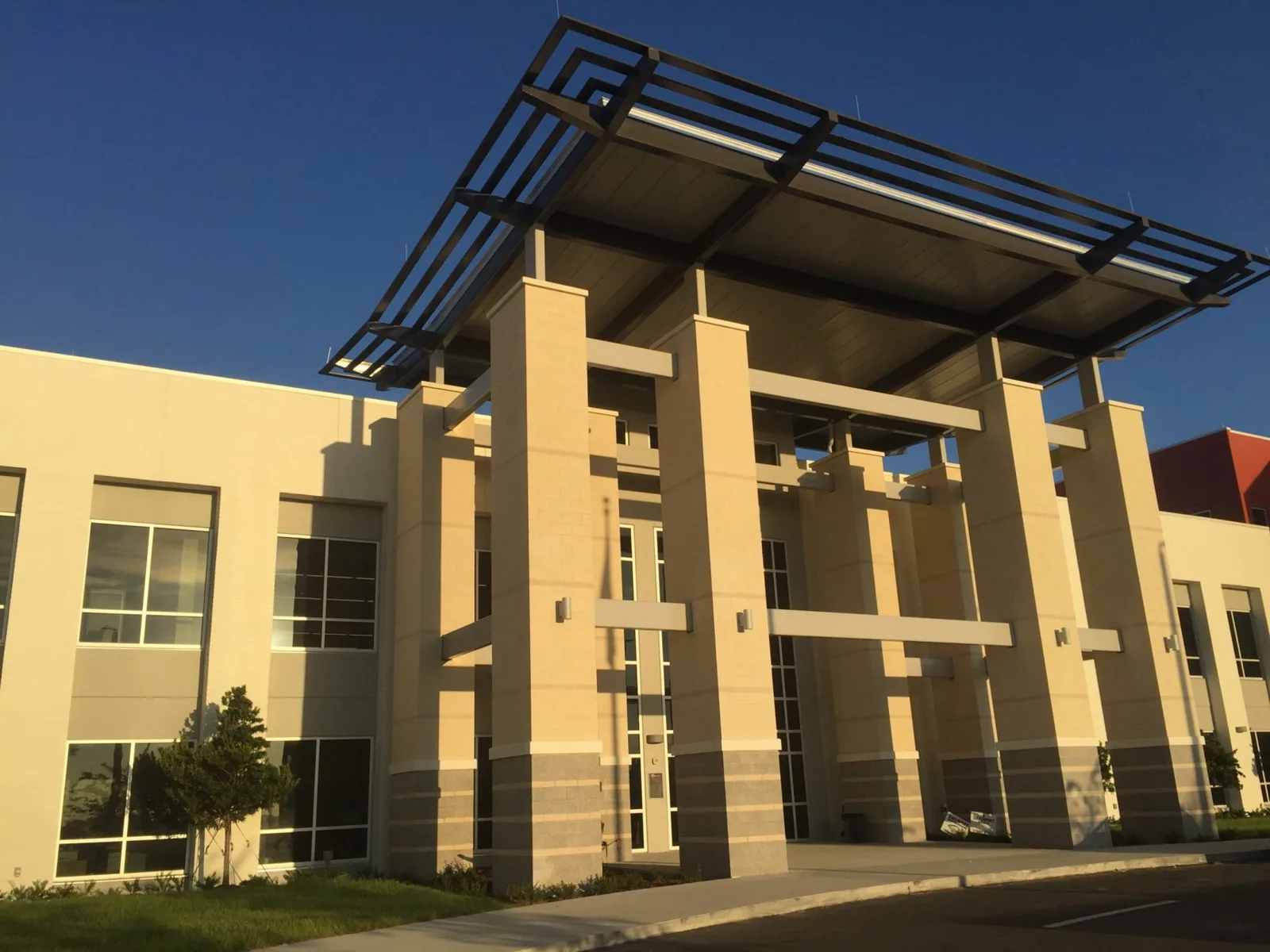
A roof condition in an occupied public building has to be documented before the repair boundary is set. We ask where water appeared, whether it is active, what public or staff areas sit below, and which access restrictions apply. The crew checks the roof surface, seams, flashings, drains, edges, and penetrations, then records what was observed and what still needs testing. Virginia’s 2021 Uniform Statewide Building Code and related codes took effect January 18, 2024. Hampton buildings can be affected by the requirements applicable to the specific scope, so project teams confirm code and permit questions with the authority having jurisdiction. A commercial roof inspection gives the owner a field record for repair planning, not a substitute for design or code review.
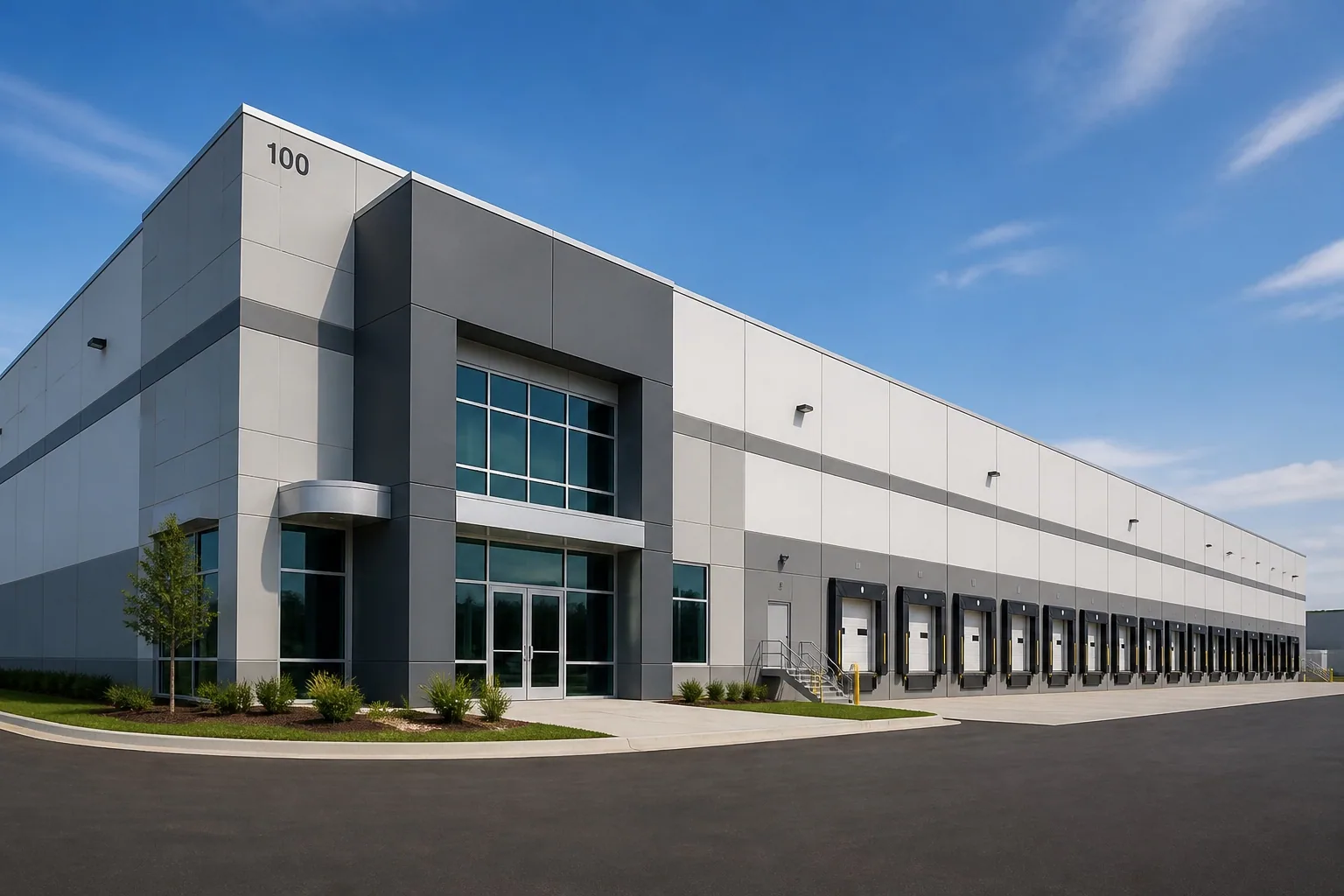
We connect each reported leak or visible defect with its roof zone, interior location, date, and access conditions. The roof walk checks seams, penetrations, curbs, drains, scuppers, edges, and prior repair marks. Photographs can show the finding and the work area, while the written report separates confirmed defects from items that need a probe, moisture survey, or records review. That distinction helps a building manager explain why a localized repair is scoped now and a second question remains open.
For public property, records may need to support maintenance decisions, procurement, and later review. We describe the work in plain terms: what is included, which roof areas are accessible, what temporary protection is proposed, and what assumptions affect the schedule. A site representative can supply access and security instructions before the visit. We do not infer the assembly from the building’s public role; the roof system is identified from field evidence and available records.
Public buildings may remain open while work is planned. We confirm the entry route, roof hatch or ladder, escorts or sign-in steps provided by the owner, material staging, and any area that must stay clear. A library, administrative office, service counter, or meeting room can have different hours and circulation needs, so the facility contact identifies the constraints that shape the sequence.
Before material is moved, the work boundary and temporary controls are agreed with the building representative. If noise, odor, overhead protection, or a short closure is expected, it is included in the plan. A repair that opens a section of roof also needs a weather window and a safe stopping point. An occupied public-building schedule may use similar coordination principles as school work, while each facility’s access rules remain its own. The crew records the approved route and the daily limits for that job.
Virginia's construction code references the 2021 I-codes and took effect January 18, 2024. The provisions that apply depend on the work being done: maintenance, repair, renovation, and a change of use can follow different paths. We document the existing roof, proposed insulation and attachment, drainage, fire classification and wind design questions for the project team. The building official and responsible design professional confirm the applicable requirements and approvals. A recover still depends on the existing layers, moisture, deck and attachment, so we list those assumptions before bid rather than treat a code question as a roofing conclusion.
We can document the existing roof condition and describe the proposed roofing work for the owner’s project team. The applicable design, code interpretation, and approval requirements are confirmed with the responsible professionals and authority. A recover cannot be selected only because it reduces removal; existing layers, moisture, deck, attachment, and code conditions all matter. The report names its assumptions and calls out any information the owner needs to confirm before bid or mobilization. This keeps the field recommendation distinct from approval language.
For a public portfolio, we group appointments by district and business park, then confirm property access with the owner. For municipal dispatch, the setting can be an office, a medical-service property, a retail address, or a mixed-use building in Coliseum Central or Downtown Hampton. Hampton’s heaviest industrial activity is concentrated at Copeland Industrial Park and Bright’s Creek. Hampton Roads Center adds office, flex-office, and light-manufacturing parks to that map. The owner identifies each facility and access window, and we log the actual membrane, drains, edges, equipment and visible condition during the roof walk.
Commercial activity also follows the Big Bethel Road and Fox Hill Road areas. If the assignment is in Coliseum Central, the project team still needs to confirm the exact facility, entry procedure, escort needs and hours. Those details determine how much roof can be reached during the visit; they do not establish condition in advance. We record any deferred zone in the inspection record so the public owner can authorize a second visit or decide whether testing is warranted.
Hampton Roads' September 2003 experience with Isabel included storm surge, heavy rain and road high water reaching central and southern Virginia. That regional history helps explain why a reported post-storm leak deserves a dated inspection record; it does not assign damage to a public building. We map active water to roof zones, photograph seams and perimeter transitions, and separate current observations from older repairs. If water is reaching occupied rooms, temporary protection comes before a full permanent scope. Any coverage decision remains with the carrier.
If water is active, the first action is to protect occupied space and establish a safe temporary condition. Permanent work follows after the opening and surrounding material are reviewed. A public owner may need photographs and a written scope to support its internal records or a claim, but coverage decisions are not made by the roofing crew. An insurance restoration roof file can keep observations, completed work, and open items distinct for later review.
A useful repair description identifies the roof section, preparation, materials, flashing details, equipment curbs, temporary protection, and cleanup. It also names access, schedule, and weather assumptions. If concealed conditions could require a change, the scope describes how the crew will stop, photograph the finding, and request authorization before proceeding. That gives the owner a clear basis for comparing bids and recording a change.
Where the roof has multiple areas of deterioration, we separate immediate repairs from broader replacement planning. A replacement scope should include removal, substrate preparation, insulation or cover board, edges, penetrations, phasing, and dry-in. The specific system is chosen after roof conditions and project criteria are reviewed. Standing seam metal may be appropriate for some roof designs; metal roof details still require inspection of panel joints, attachment, and penetrations. The proposal states what is included and which decisions remain with the owner.
After work, we provide a record of the areas addressed, observed condition, repair completed, and any remaining recommendation. Photographs can connect the repair to the roof plan or location reference used by the facility. An owner can retain the scope, field report, approvals, and closeout records together, which makes later maintenance or procurement review easier to follow.
For claim-related work, the file should separate field observations from coverage determinations. A roofing claim record can document the condition and the work performed without interpreting policy terms. A planned follow-up can revisit drains, seams, and prior repairs, with each item assigned a location and next action. Preventive roof maintenance can keep those observations current across the service life of the assembly. The next reviewer should be able to see what was inspected, what was repaired, and what was left open.