Commercial roofing for Hampton and the Virginia Peninsula

Commercial roofing for Hampton and the Virginia Peninsula
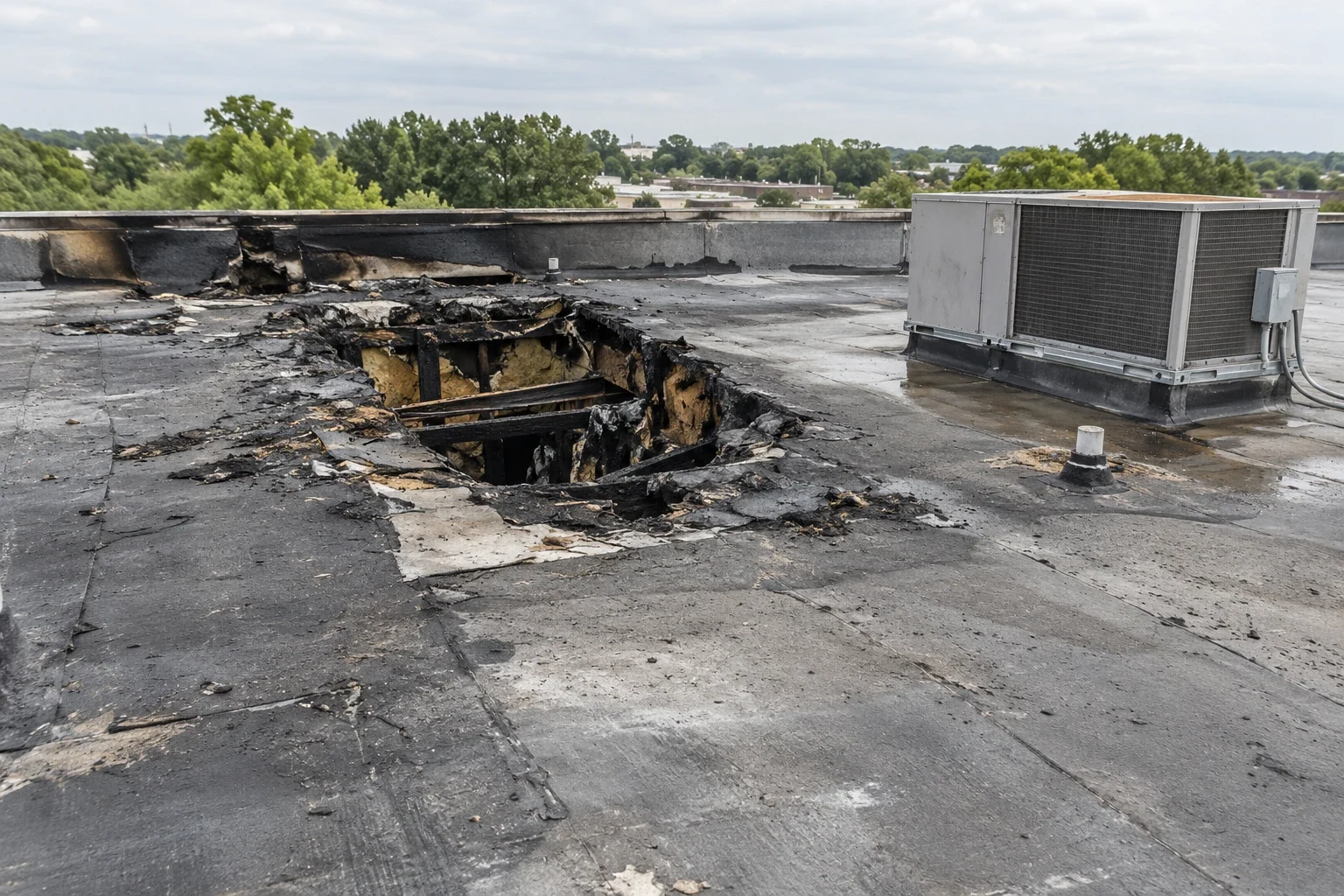
Water that remains near a low point after rain needs a drainage check before it is called a membrane failure. We locate the area and record its observed depth and extent, and inspect drains, scuppers, overflow paths, seams, and nearby penetrations. We also ask whether water entered the building and which rooms or equipment are below. Northeastern Hampton includes low terrain, coastal exposure, recurrent tidal flooding, and long nor’easters among its neighborhood-level concerns. After a storm, compare the reported water with the roof’s outlets and overflow route. A roof drain and scupper inspection can identify what is obstructing or interrupting that path.
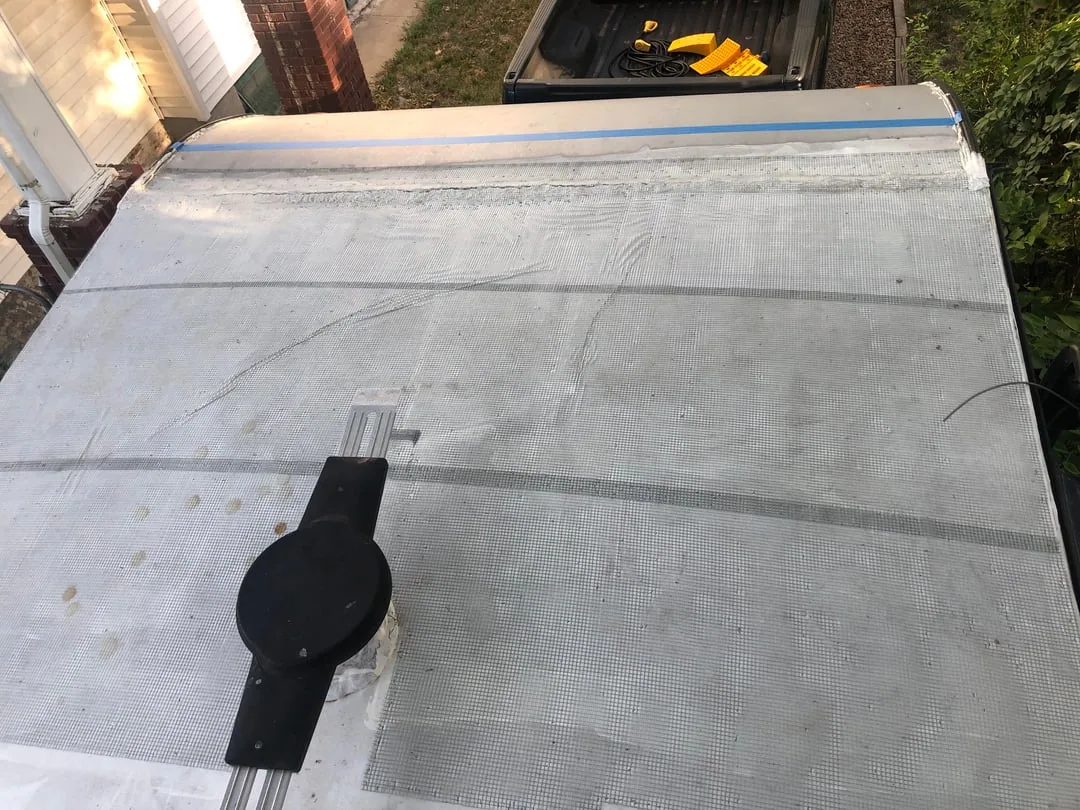
A ponded area and an interior leak may be related, but the relationship needs field confirmation. When measuring a low area, record its approximate length and width, deepest point, time since rainfall, and whether the water level is receding. Photograph the pool beside the nearest outlet, seam, curb, and any previous patch; mark its position on the roof plan so a later visit uses the same reference. A clear strainer does not by itself explain why water remains, so compare slope, deck deflection, blocked discharge, and changes around equipment. If a flow check is authorized, observe where the outlet discharges and record that path separately from roof ponding. Keep the overflow clear during active rain. We compare the water location with the roof’s slope, drains, overflow provisions, seams, flashing, and previous repairs. The report records the time and conditions observed; a photograph after rainfall can help preserve what the crew saw. We do not infer a persistent condition from a single wet inspection unless the evidence supports it.
At roof drains, the crew checks strainers, bowls, attachment, and the surrounding membrane or metal detail. We look for debris, separation, and signs that the water path has been interrupted. If water appears beneath the roof, nearby seams and penetrations are traced before a repair boundary is set. A commercial roof inspection can record drainage observations and identify where moisture testing or access would change the recommendation.
Coliseum Central has a separate watershed plan. Hampton completed its watershed-level resilience plan for Downtown Hampton, Phoebus, and Buckroe in October 2023. On a roof visit, we inspect the assembly and discharge details, then keep building drainage questions tied to the named property.
In northeastern Hampton, coastal position, low terrain, recurrent tidal flooding, and long nor’easters shape neighborhood-level planning. We check the reported low spot against the actual outlet, overflow route, and roof slope before setting a drainage scope. A Downtown Hampton service visit is scoped to the building and roof area named by the property contact.
Water can collect where slope is limited, drains are obstructed, a support or curb interrupts flow, or the roof assembly has changed over time. The crew checks whether the water sits at a drain, behind an edge, or in a depression and inspects adjacent seams and transitions. If the drainage condition affects a larger roof zone, the owner may need a separate review of slope, deck, or design rather than a patch at the visible low point.
A two-to-three-foot inundation warning covers low-lying areas beside Hampton Roads tidal waterways. On the work order, separate roof drainage from site drainage, then name who will inspect each path. That distinction keeps a roof outlet repair from being treated as a solution to water moving across the property.
If debris is the only issue, clearing the drain may restore flow, but a damaged bowl, separated flashing, or failed seam requires a defined repair. We prepare the actual surface and restore the detail with compatible materials. The scope identifies the drain or low area, nearby membrane, flashing, temporary protection, and any test needed after work. A roof should not be left with an open drain detail while another trade handles discharge questions.
Where an interior leak is active, temporary protection can limit exposure while the permanent work is planned. We record the repair boundary and explain what remains outside it. A flashing failure review can address the transition at a drain or curb, and a seam inspection follows the adjoining membrane joint. Each condition is evaluated separately, even when water appears in one area.
Membrane, metal, insulation, cover board, and deck affect how a repair should be attached. We identify the roof system from accessible evidence and property records, then check whether it is sound around the ponded area. A coating may protect a compatible surface, but it does not correct a blocked drain or a depression that continues to hold water. A larger alteration needs review of the substrate, attachment, drainage, and code conditions.
For a confirmed TPO assembly, seam condition and compatible detailing matter. A TPO roof repair can address a membrane defect after the surrounding area is inspected. If moisture extends beyond the immediate low point, a survey or selective opening may inform whether recover or replacement remains feasible. We describe the evidence and the next test rather than infer hidden layers from surface appearance.
A useful record identifies the roof zone, date, weather context, observed water, drain or overflow condition, photographs, repair, and follow-up. If a repeat visit occurs after another rain, the owner can compare locations and see whether the same low area remains. We also record whether the roof was dry, wet, or inaccessible at inspection, because those conditions affect what the crew checked.
After a storm, a wind damage inspection can check perimeter details as part of the same roof review. Preventive maintenance can revisit drains, overflow routes, seams, and prior repairs before the next service call.
A localized drainage correction may be enough when the obstruction or detail is clearly defined and the surrounding roof is serviceable. Repeated ponding, widespread deterioration, or wet insulation may call for a wider investigation. We separate an immediate repair from a design or capital question and identify which findings support each path. The owner can choose a follow-up after reviewing the field record and any additional test.
Hampton’s watershed and coastal resilience plans explain why stormwater remains part of local public planning, but a roof recommendation still follows the observed assembly. For property teams that track several buildings, property management roof records can keep low areas and maintenance tasks tied to each asset. We close the visit with the work completed, access limitations, and the next action needed to keep water moving off the roof.