Commercial roofing for Hampton and the Virginia Peninsula

Commercial roofing for Hampton and the Virginia Peninsula
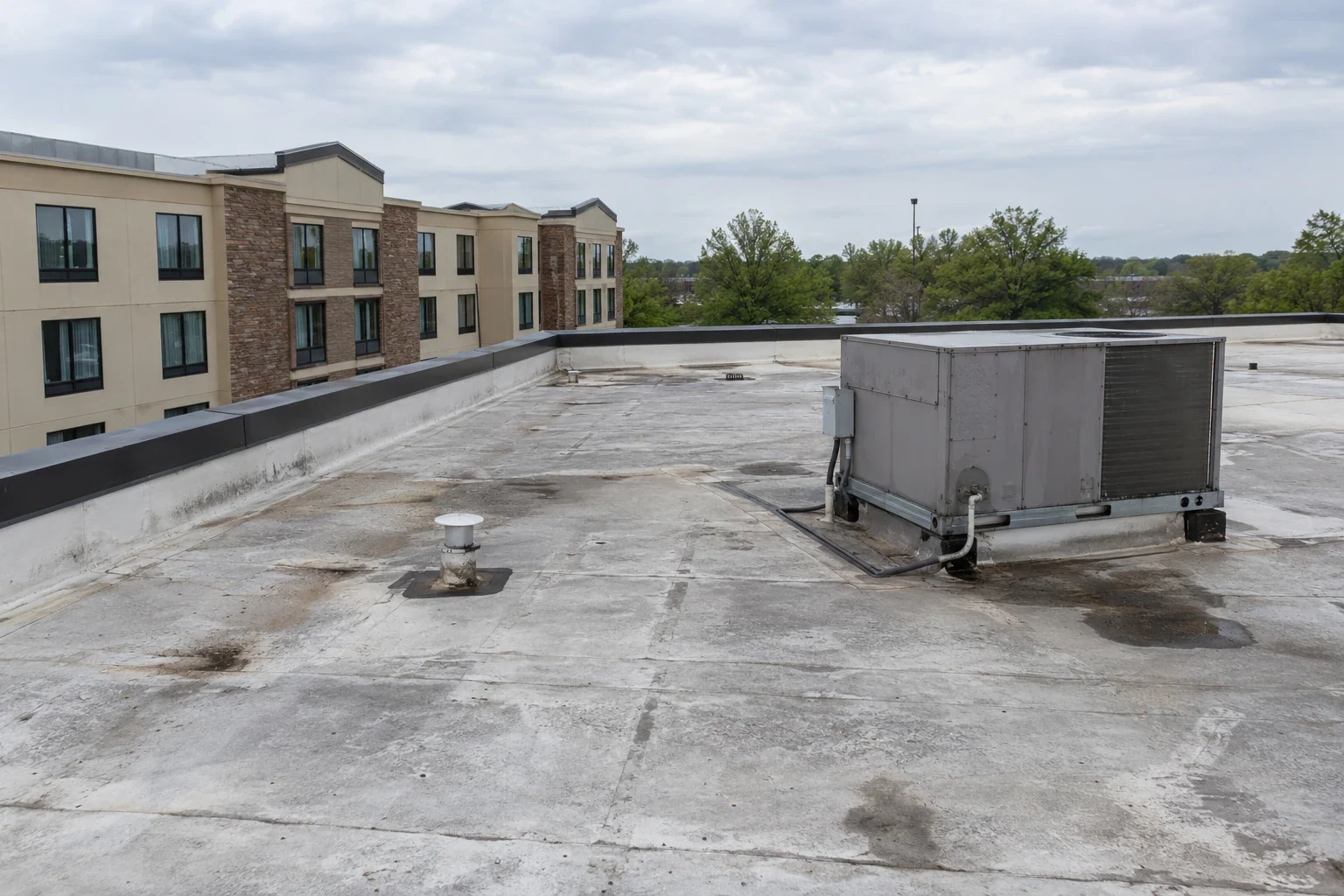
A roof call from a managed property usually arrives with two clocks running: the weather outside and the tenant schedule below. We start by locating the reported water, the rooms or equipment at risk, and the limits on roof access. Then the crew checks the membrane, seams, penetrations, drains, edges, and visible interior conditions. The first record separates active entry from older staining, so the owner can decide whether to contain, repair, test further, or price a larger scope. For a portfolio, that distinction matters. At Coliseum Central and Downtown Hampton, offices, retail sites, medical-service buildings, and mixed-use properties each need a roof record tied to their own address and access conditions. A manager can request commercial roof repair with the affected area and the next tenant or operating deadline.
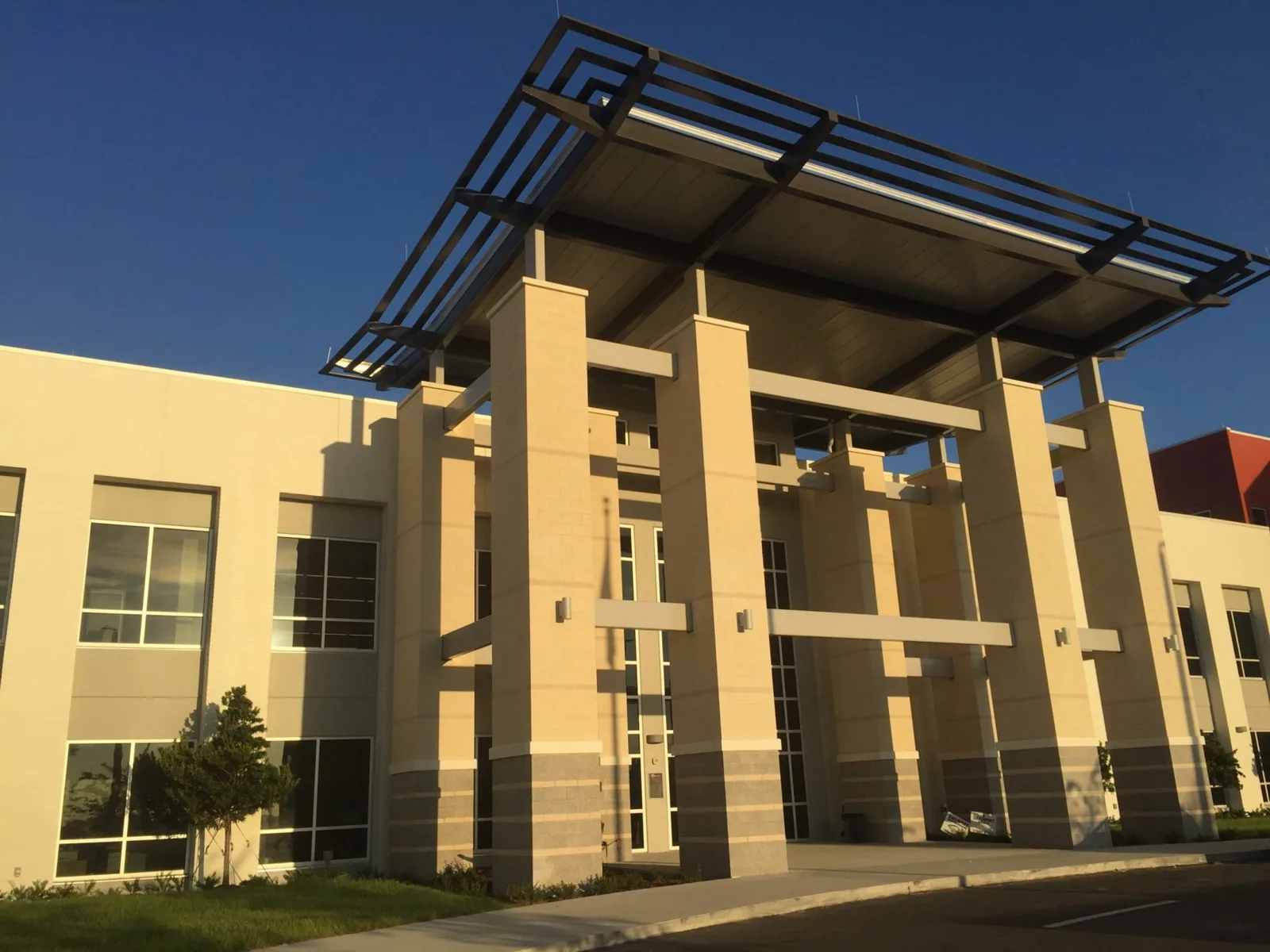
Work orders often describe what a tenant can see, not the path the water took across the roof. We compare the leak location with seams, curb corners, pipe boots, edge conditions, drains, and any prior repair marks. Where it is safe and useful, the crew photographs the roof condition and visible interior evidence. A ceiling mark may be several feet from the entry point, and water can travel along insulation, deck flutes, or framing before it appears. The report identifies what was observed, what remains uncertain, and which test would answer the open question.
That method gives a manager a defensible next step without turning a single report into a building-wide verdict. The condition may call for a localized patch, a closer moisture review, or a planned replacement discussion. Our photo-based roof inspection records components and repair boundaries so a property team can compare the findings with tenant reports, lease responsibilities, and existing maintenance records.
Several open tickets do not automatically mean one roof needs total replacement. We sort each condition by location, severity, water movement, and effect on the occupied space. A repair scope can address a confirmed opening while a broader inspection assesses seams, drainage, flashing, and surface condition. For an owner weighing a portfolio purchase, the roof record for investment properties can separate an immediate repair from a capital item.
Hampton business parks combine flex-office, research, light-manufacturing, warehouse, and distribution properties. That variety makes it useful to document equipment and access for every roof separately. Before comparing a replacement with a recover or overlay, managers need the assembly, wet areas, deck, drainage, and code questions recorded. The recommendation should connect the selected scope to those findings and explain what would change the decision.
Before a crew moves material, we map the work zone against entrances, loading periods, sensitive rooms, rooftop equipment, and any tenant restrictions the manager provides. Access is agreed before the visit, including roof hatches, ladders, keys, escorts, and areas that must stay clear. On a repair, the boundary should be small enough to control but broad enough to include the actual defect and the flashing needed to close it.
For occupied properties, sequencing can matter more than crew size. A noisy removal task may fit a low-traffic period, while a membrane repair may need a dry interval and a clear path for material handling. We identify the work that can proceed without disrupting nearby operations and flag any condition that changes the schedule. If immediate water entry threatens a room, emergency roof response can begin with temporary protection and a documented permanent-repair follow-up.
A coastal flood warning projected two to three feet of inundation in low-lying areas of Hampton near shorelines and tidal waterways. After rain or high water, document the drains, scuppers, perimeter edges, and interior areas that need review at this property.
In September 2003, Hurricane Isabel drove a major storm surge into Hampton Roads and brought heavy rain and road flooding across central and southern Virginia. For a later call, compare the manager’s event timeline with current roof photographs, then separate active water entry, past repairs, and the next inspection step in the record.
A useful roof record answers four questions: where is the condition, what did the crew observe, what action is recommended, and what access or weather condition affects completion. We can provide photographs and a written condition report, then connect each repair to its roof zone. That gives a manager something more useful than a closed ticket marked “patched.” It also helps the next reviewer distinguish a completed repair from a location that was inspected but not opened or tested. After a weather event, a commercial insurance restoration file should separate new observations from prior work.
When a portfolio changes hands or a property team changes vendors, consistent labels reduce repeated investigation. We can note the membrane type when field evidence supports it, describe visible edge or flashing conditions, and list any moisture testing that remains. We do not treat a product label, staining pattern, or old work order as proof of the whole roof assembly. A drone roof inspection can add overview imagery where roof geometry or access makes that useful, while hands-on checks remain necessary for details that need contact or probing.
A repair is sensible when the defect is defined, the surrounding material can accept a durable tie-in, and the roof remains serviceable outside that area. Replacement enters the discussion when deterioration is distributed, wet insulation is extensive, details are failing across multiple zones, or repeated repairs no longer address the owner’s operating needs. Those are field questions, not conclusions drawn from the building’s use or age.
We compare the current assembly, deck condition, drainage, insulation, penetrations, and any moisture findings. A recover may be considered only when the existing layers, attachment, moisture condition, and applicable code allow it. A replacement scope can also include access, phasing, temporary dry-in, equipment curbs, and tenant protection. Managers can review TPO membrane work or metal retrofit options after the roof walk identifies what is there and what must change.
After a repair, we record the work area and the condition left for monitoring. A follow-up visit can verify that the repaired detail remains closed and that drains or nearby flashings are not creating a separate entry path. Maintenance planning should prioritize the parts of the roof that affect water movement: drains, scuppers, seams, edges, penetrations, and transitions around equipment. A concise log makes visits easier to compare.
Virginia’s statewide building code applies to maintenance, repair, renovation, and changes in building use, as well as new construction. The applicable requirements depend on the specific scope and authority having jurisdiction, so code questions belong in project planning before materials and phasing are fixed. We can identify roof conditions and coordinate the roofing scope with the property team; other design or permit responsibilities are confirmed for the project. For recurring service, preventive maintenance visits can track open items, repair history, and recommended timing.