Commercial roofing for Hampton and the Virginia Peninsula

Commercial roofing for Hampton and the Virginia Peninsula
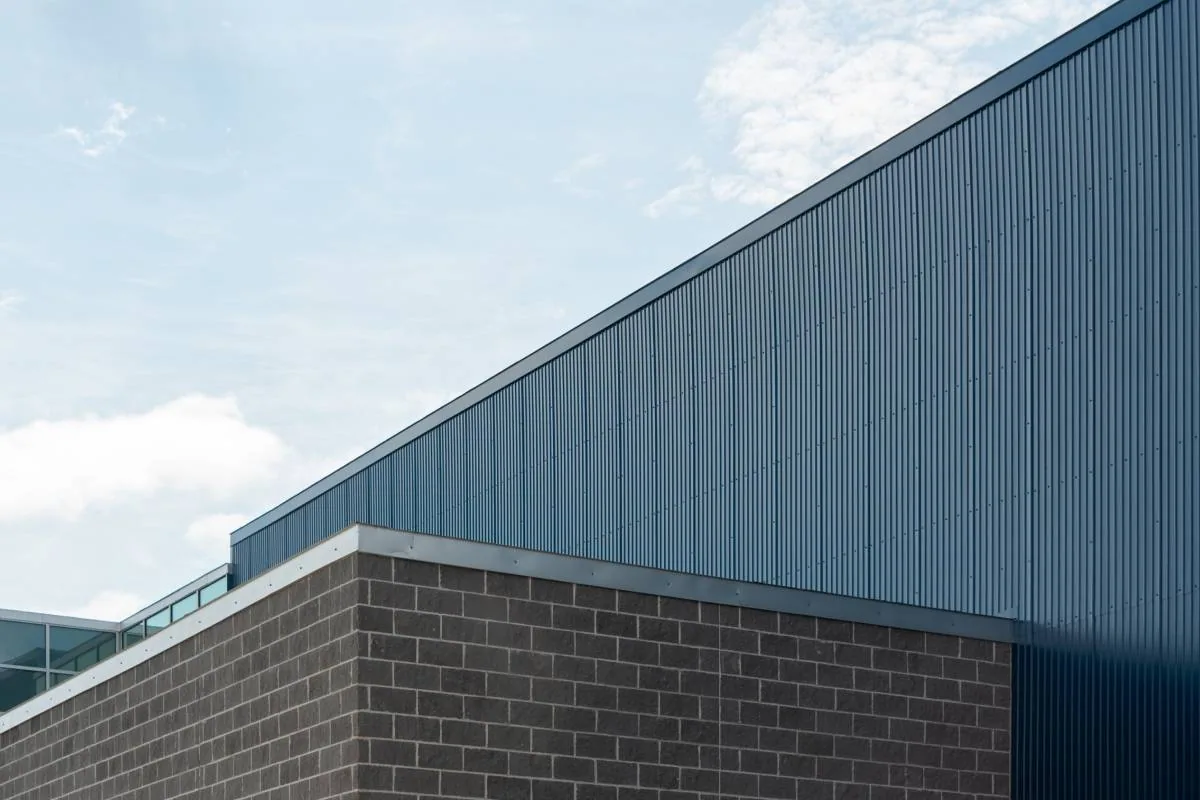
Lifted edge metal, loose membrane, or displaced flashing changes the first roof decision: protect the opening and find how far the wind affected the assembly. We ask where water appeared, when the condition was noticed, and which rooms or equipment sit below. The crew checks perimeter details, seams, curbs, drains, and previous repairs before marking a temporary or permanent work area. Hampton Roads saw Isabel-related surge in 2003, and heavy rain raised road water levels across central and southern Virginia. Regional storm history cannot identify damage at a particular building. A storm-damage roof assessment documents the current roof and separates observed conditions from assumptions about cause.
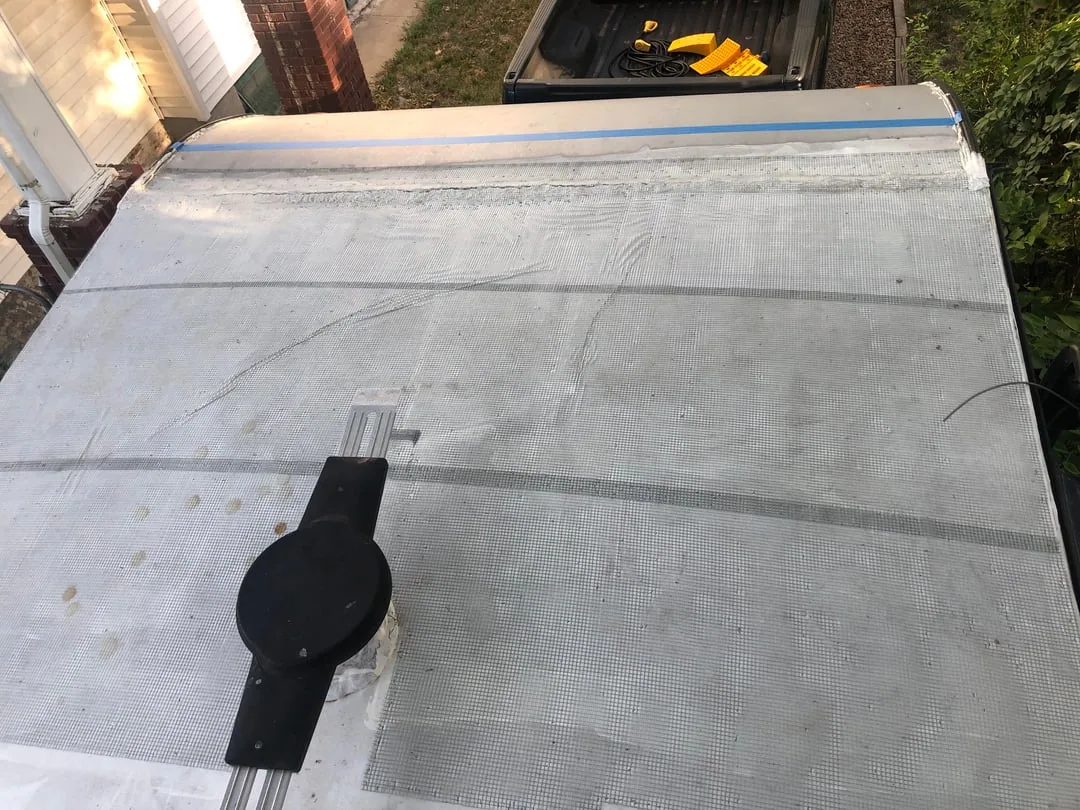
If water is entering, we identify the affected room, contents, electrical equipment, and access restrictions with the site contact. A temporary cover or other stabilization may limit exposure while conditions are made safe for a roof walk. We record where protection was placed, what remains vulnerable, and what permanent work still needs a dry window.
Once access is safe, the crew checks the roof above the report and nearby areas that can carry water. A ceiling stain is not automatically aligned with the opening. Photographs connect interior observations with edge metal, seams, curbs, drains, and flashing inspected at the roof. An emergency roof visit can define the immediate action and a return plan, keeping temporary stabilization distinct from a completed repair.
Wind can affect a perimeter, a membrane field, a metal panel, or a transition where two materials meet. We check the affected area for uplift, loose fasteners, open laps, displaced caps, torn flashing, punctures, and debris impact. Nearby details are inspected when they could be part of the same path. The report separates visible conditions from areas that need removal or testing to confirm concealed damage.
Mercury Boulevard, King Street, and Pembroke Avenue are named in Hampton planning as major commercial routes. Their presence provides no finding about wind exposure or damage at a roof we inspect. The assembly and exposure at the property are confirmed in the field. A commercial roof inspection can map the findings by roof zone, document access limits, and identify whether a closer moisture check would change the repair boundary.
Roof edges and corners require attention after a wind report because metal, membrane terminations, and wall flashings meet there. We inspect attachment, seams, sealants, coping, and visible movement, then compare those conditions with the reported area. A displaced piece is recorded with its location and supporting photographs. Any exposed substrate is protected while the permanent detail is prepared.
If edge metal has loosened, the repair must restore a secure termination and coordinate with adjacent membrane or wall flashing. A cap that looks in place may still have an open seam beneath it, so we verify accessible connections instead of relying on appearance alone. The owner receives the proposed work area and any condition that calls for further review. A flashing failure review can address related openings at transitions, while a separate seam inspection follows membrane laps.
Wind-driven rain can enter through an opened detail, while debris can also affect drains and scuppers. We inspect the drainage path, strainers, overflow provisions, and nearby seams when they relate to the report. A National Weather Service warning put possible inundation at two to three feet in low areas near Hampton Roads tidal waterways. That warning concerns regional flood exposure, not a forecast for any roof or building.
For the roof scope, we document the actual drain or edge condition and whether water remains on the surface. The site’s ground-level drainage and the roof’s discharge route are separate coordination items. If a storm report includes interior water, we compare the affected areas with roof findings and note which conditions are confirmed. No cause is assigned beyond what the observed damage supports.
A repair estimate identifies the lifted, torn, punctured, or displaced component, the preparation required, the material proposed, and the tie-in around it. It states whether the scope includes membrane, flashing, edge metal, or temporary protection. If removal exposes wet insulation or damaged deck, we document the condition and request direction before adding work.
Some roof areas may need repair while others need monitoring or testing. We do not treat one damaged edge as proof that the entire roof failed. If the surface is a membrane, seam and flashing work must fit the existing material. A commercial roof repair scope can describe limits and closeout steps; a broader hurricane damage review can separately consider weather-driven conditions across roof zones.
Photographs, roof-area labels, observed conditions, temporary actions, and open recommendations make a useful field record. We keep recent findings distinct from prior repair history and identify what was accessible. If the condition remains uncertain, the report states what additional inspection or testing could resolve it. A manager can then review immediate work without presenting an untested area as a confirmed failure. A dated comparison is useful when another inspection follows a later weather event. The reviewer can see which seam, edge, or curb was previously photographed and whether the area changed. We note changes in condition without assuming a defect’s date or cause if it was not observed. The owner can then direct focused follow-up or request a separate test.
Hurricane Isabel’s Hampton Roads history explains why owners may revisit storm records, but a weather report does not establish an insurance outcome. For a property review, the evidence is the roof condition and the work performed. Roofing claim documentation can organize photographs and scope while leaving coverage decisions to the insurer and policyholder. A Coliseum Central service visit is still based on the named building and its access plan.
After repair, we record the completed detail and any nearby condition that remains under observation. A follow-up check can confirm that the temporary protection has been removed, the roof transition is closed, and the drain path remains clear. Where repairs were phased, the report identifies which roof area is complete and which still needs work.
Coliseum Central and Downtown Hampton contain a mix of offices, retail, medical services, and mixed-use properties. Occupancy affects how an inspection is arranged, while the roof’s own evidence determines the repair scope. A documented walkthrough helps separate active damage from unrelated wear. The owner can keep the photo record with the repair scope and use a maintenance visit to revisit seams, edges, and drains. The next recommendation follows observed conditions and the roof’s actual assembly.