Commercial roofing for Hampton and the Virginia Peninsula

Commercial roofing for Hampton and the Virginia Peninsula
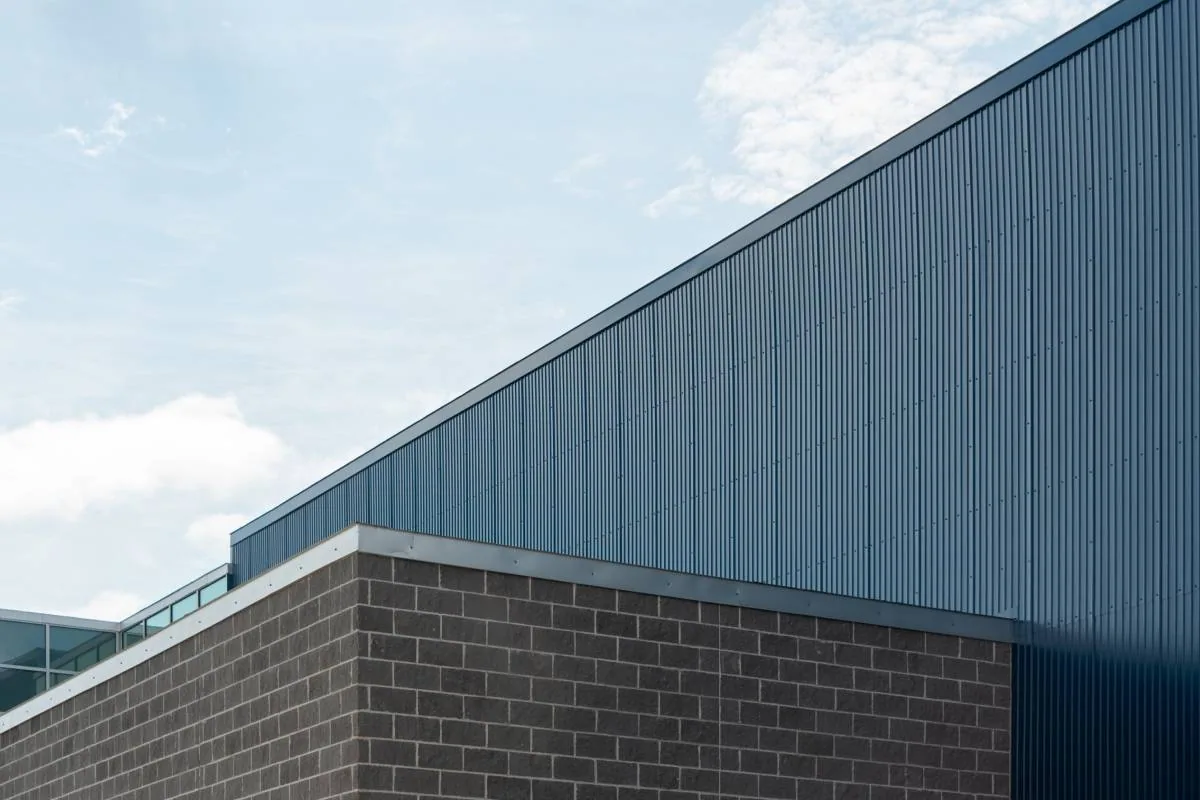
The visit should map the heat-affected coating from its visible edge to nearby penetrations and terminations. We check whether chalking, brittle seams, or lost adhesion stops at the surface, reaches the flashing, or exposes a weak substrate. Norfolk’s July daily high averages about 89°F, while daily temperatures are near 81°F; that seasonal warmth makes movement at seams a practical inspection point in Hampton. A commercial roof inspection can determine whether the work is limited to coating or includes moisture or seam repair.
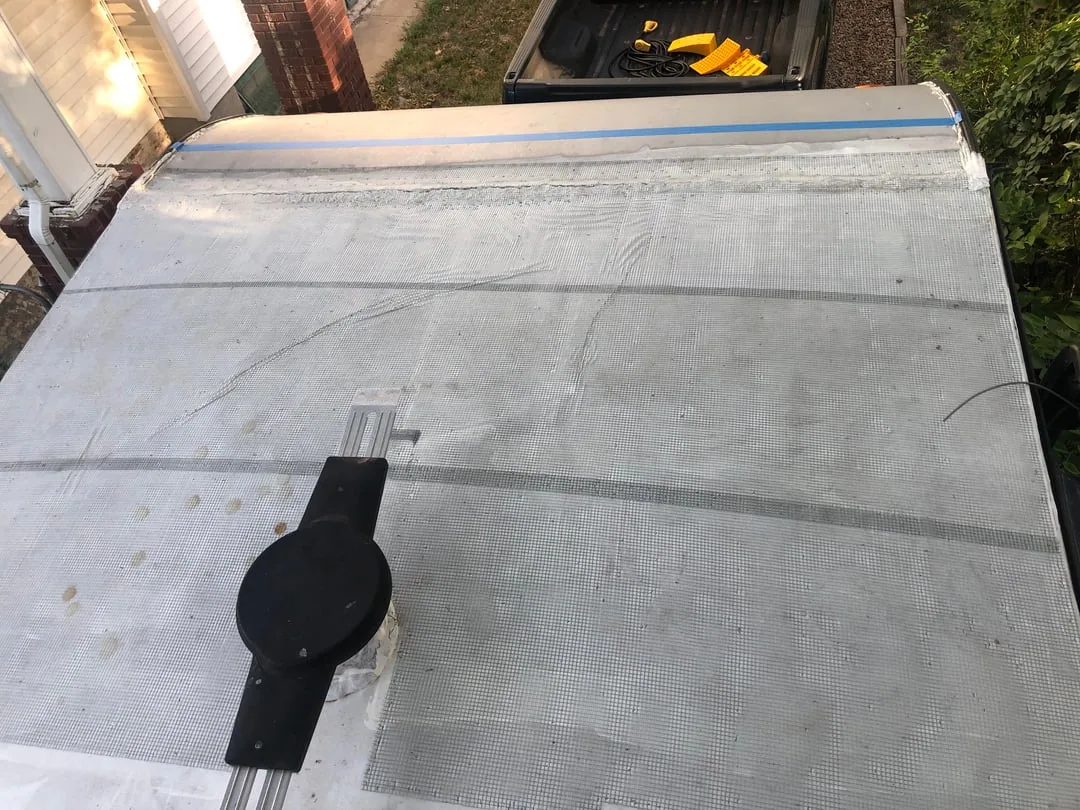
We inspect the field membrane, seams, laps, flashing, edge metal, fasteners, and areas around rooftop equipment. Surface fading or chalking may be visible, but it does not by itself tell us whether the membrane remains watertight. The crew checks for cracks, shrinkage, open seams, brittle transitions, loose coating, and exposed reinforcement. Photographs record the condition by roof zone and show where a closer test may be useful.
Heat and ultraviolet exposure affect roofing materials differently, depending on the system, installation, maintenance, and assembly. We identify the surface from field evidence and property records instead of guessing from color. The crew compares exposed roof fields with shaded areas and transitions where ponding or equipment can change surface conditions. Chalking may be superficial on one coating and a sign of lost protection on another, so we check adhesion and substrate before recommending a new layer. Surface cracks, open seams, or loose flashing need compatible repairs before coating or recover is considered. If moisture below the membrane could change the scope, an moisture survey may help locate areas for confirmation. An interior leak is traced separately from visible surface wear. Where surface aging is widespread, we can map the affected zones before comparing repair, coating, recover, and replacement. A limited coating test does not approve every roof area; the estimate names what passed preparation and what remains outside the proposed work.
Properties around Coliseum Central and Downtown Hampton span office, medical-service, retail, and mixed-use occupancies. Notes identify the membrane, seam pattern, and coating transitions at each building instead of assuming a common assembly. A closer test goes on the list before a restoration or replacement scope is chosen.
Hampton business parks accommodate light manufacturing, research, warehousing, and distribution. If roof entry crosses equipment or active work, the site contact confirms a safe window. At a property in Coliseum Central, we start from the reported symptom and roof history, verify the material in place, and note whether testing is needed before estimating remaining service life.
Membrane seams and flashings can respond differently from the field surface. We check whether a lap remains joined, whether a curb detail is open, and whether an edge or fastener has shifted. A small opening near an HVAC unit may admit water even when the surrounding field appears intact. The repair scope addresses the observed failure point and checks the surrounding material needed for a durable tie-in.
If seams are separating, the repair method depends on the installed membrane and surface preparation. A seam failure review can document the opening, while a flashing inspection follows a curb or wall transition. Those findings are recorded separately from general surface aging. We do not recommend a coating to cover an open detail before it is repaired.
A coating can be considered only after the roof surface, adhesion, moisture, drains, seams, and flashings are reviewed. Loose or contaminated coating may require removal or preparation, and a wet substrate can make a new layer inappropriate. We inspect test areas and detail transitions, then identify what the coating scope would address and what would remain as a separate repair.A test area can also show whether the existing surface accepts the proposed preparation and coating. We check adhesion, transitions, drains, and penetrations rather than treat a roof field as one uninterrupted surface. The written recommendation identifies the area included and any detail that needs separate repair. If testing shows poor adhesion or concealed moisture, those findings can change the restoration plan before material is applied.
Silicone and acrylic systems have different properties and installation conditions. Selection depends on the existing assembly, drainage, project requirements, and manufacturer instructions. A roof coating restoration scope can specify cleaning, repairs, reinforcement, coverage, and closeout where conditions support that approach. A coating does not restore an unstable deck or correct a drain that remains obstructed. The owner receives the inspection findings and any open test required before a system is proposed.
Localized surface or seam damage may be repairable when the surrounding material and substrate are sound. More extensive brittleness, repeated separation, wet insulation, or deterioration across multiple roof areas can warrant a broader review. We compare field observations, repair history, moisture findings, drainage, and deck condition before discussing replacement.
A membrane patch, coating, recover, or new roof has different preparation and code implications. The estimate states material assumptions, work limits, temporary protection, access, and how concealed conditions will be handled. For a confirmed TPO assembly, TPO repair options depend on the actual membrane and seam condition. A ponding-water review may be separate if drainage is contributing to surface wear. Each proposed action remains tied to an observed condition.
Surface preparation and coating work depend on conditions at the roof. Moisture, temperature, wind, and forecast affect cleaning, adhesion, welding, and cure times. Before material is removed, the crew identifies a safe stopping point and protects any open area. If the weather window changes, the report states what was completed and what must wait.
In Hampton and neighboring Hampton Roads communities, low areas beside tidal waterways are exposed to coastal flooding. For the building under review, the inspection notes separate drainage paths, perimeter details, and any interior symptom. If weather pauses the work, the record identifies temporary cover, remaining repairs, and conditions needed to resume safely.
A useful baseline records surface condition, seams, edges, drains, penetrations, photographs, and any test results. Later visits can compare those same locations and note whether wear has progressed or remained stable. We include the inspection date, access limitations, and repair work so the next reviewer knows what changed between visits.
Hampton’s northeastern neighborhoods experience recurrent tidal flooding and long nor’easters. A Preventive roof maintenance visit before those periods can check exposed laps, outlet and edge transitions, and temporary closures. Each dated entry records the condition, protection used, and next step so the property manager can schedule a useful follow-up.