Commercial roofing for Hampton and the Virginia Peninsula

Commercial roofing for Hampton and the Virginia Peninsula
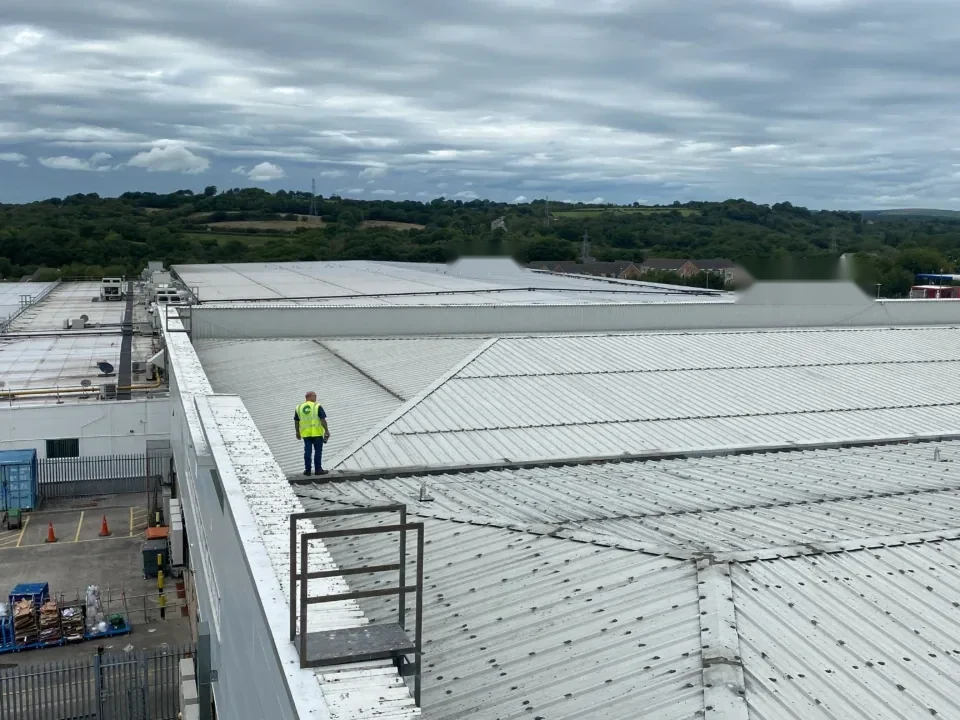
A multi-building roofing program works when a manager can see the condition, open work, and next decision for each property without confusing one roof with another. We can coordinate inspections, repairs, maintenance visits, and records across a portfolio while keeping each scope tied to its building and roof area. In Hampton, VA, a program may span office, retail, medical, warehouse, or industrial assets with different access and operating needs. The schedule starts with the owner’s deadlines and site contacts, then assigns a practical field step to each property.

Begin with a property list, contact, access instructions, available roof plans, known leaks, repair history, and the manager responsible for each decision. Where the system is confirmed, record the membrane type and attachment beside the inspection date. Unknown items stay open for inspection rather than being filled from another building’s files. A roof asset register can make the baseline easier to maintain as new inspections and repairs occur.
Hampton’s named business parks range from offices and flex-office to research, light industry, warehouses, and distribution. That variety argues for a building-specific record rather than one assumed scope for the portfolio. We confirm roof zones, access limitations, and operating hours at each site. A commercial roof inspection supplies a dated starting point for the property record.
Group visits by practical travel and access windows, but preserve a separate appointment and scope for each roof. A distribution shift, clinic schedule, tenant move, or production need may change when a crew can reach an area. The program coordinator confirms escorts, roof hatches, lift access, safety rules, and any interior contact before dispatch. If the site cannot be reached, the record shows that limit and the next attempt.
Mercury Boulevard, King Street, and Pembroke Avenue serve as major commercial roads; business nodes also sit near Big Bethel Road, Hampton Roads Center Parkway, Fox Hill Road, and Willow Oaks Boulevard. We use the road network to group nearby stops, then confirm travel timing and access conditions with each site contact. A shared schedule can group roofs by access window, yet each stop still needs its own scope, safety check, and inspection record; one building’s clear route does not authorize another’s roof access.
Use one intake path for new leaks, wind concerns, drainage issues, and planned inspections, then record the affected building and contact. Active water may need temporary protection while a permanent scope is evaluated. A reported stain should trigger an investigation, not a copied diagnosis from another site. The program log identifies the response owner, next action, and deadline so urgent work is visible without pushing every planned task off the schedule.
Hampton Roads has seen major storm surge and heavy rain. After severe weather, we inspect for visible movement, open details, debris, and drainage changes at each property. A wind-damage assessment records findings at that building, while emergency service addresses active water that needs immediate attention.
Hampton concentrates heavier industrial uses near the interstate at Copeland Industrial Park and Bright’s Creek. I-64 and I-664 converge beside Copeland, where some rail access is present. For a portfolio, group visits by operating and delivery windows, then assign a separate roof review to each property.
Coliseum Central and Downtown Hampton combine office, retail, medical-service, and mixed-use properties. A portfolio could include assets in different commercial districts, but the schedule and recommendations should reflect what each manager confirms. In the Hampton Roads Center area, we confirm the property contact and entry requirements before setting a roof visit.
A portfolio maintenance calendar may assign drain checks, visual roof walks, detail reviews, or repair follow-ups by property. The interval and scope depend on the roof, service history, owner requirements, and access conditions. We note what was checked and what remains open each time. If a new leak appears, the crew investigates it as a current report instead of treating an older note as the cause.
A preventive maintenance visit can update photographs, clear eligible debris, and flag conditions needing a separate repair scope. The closeout should state which areas were reached and any limits. When a repair is approved, the work order links to the finding and completion record. That process gives the asset manager an auditable history across sites without implying that one visit inspected every building.
Portfolio reviews can distinguish a current repair, a monitoring item, a need for additional testing, and a larger replacement discussion. The basis for each classification should remain visible in the property record. A roof age alone does not determine condition or a replacement date. We can document observed wear, repair history, access constraints, and questions that require testing before the owner assigns a broader scope or budget.
A roof capital plan can group timing and decision points while keeping the field findings separate. For acquisition or refinancing, a due-diligence survey can review available documents and conditions under a defined scope. Where moisture beneath a membrane could change the repair boundary, an infrared moisture survey may be considered if conditions suit the method.
Each program update should show the property, visit date, inspected area, findings, recommended step, responsible contact, and due date. A summary can group open work by urgency or operating effect, but the detail remains available at the building level. If a recommendation depends on access or testing that has not happened, mark it as pending. The summary should never imply that a portfolio-wide inspection is complete because several sites were visited.
For a multi-site repair, each authorization should identify the buildings and work included. Crew notes, photographs, materials recorded, and completion dates are stored against the proper site. The owner can then review progress without losing which roof remains open. We can coordinate a commercial repair scope or a condition report for individual properties as the program requires.
Programs last beyond one facilities contact when the site list, access rules, roof records, open recommendations, and current service contacts are maintained together. A new manager should be able to identify the next visit and see what the prior crew actually completed. We can provide consistent record fields while preserving differences in building use and roof assembly. When an item is unverified, keep it visible for the next reviewer.
Call with the portfolio list, primary contact, known roof issues, and required reporting cadence. We can start with a working session to separate emergency response, routine inspections, and capital questions, then define the field visits that fit the actual sites. Each step is scoped before work proceeds, and each closeout is tied to the property that received service.