Commercial roofing for Hampton and the Virginia Peninsula

Commercial roofing for Hampton and the Virginia Peninsula
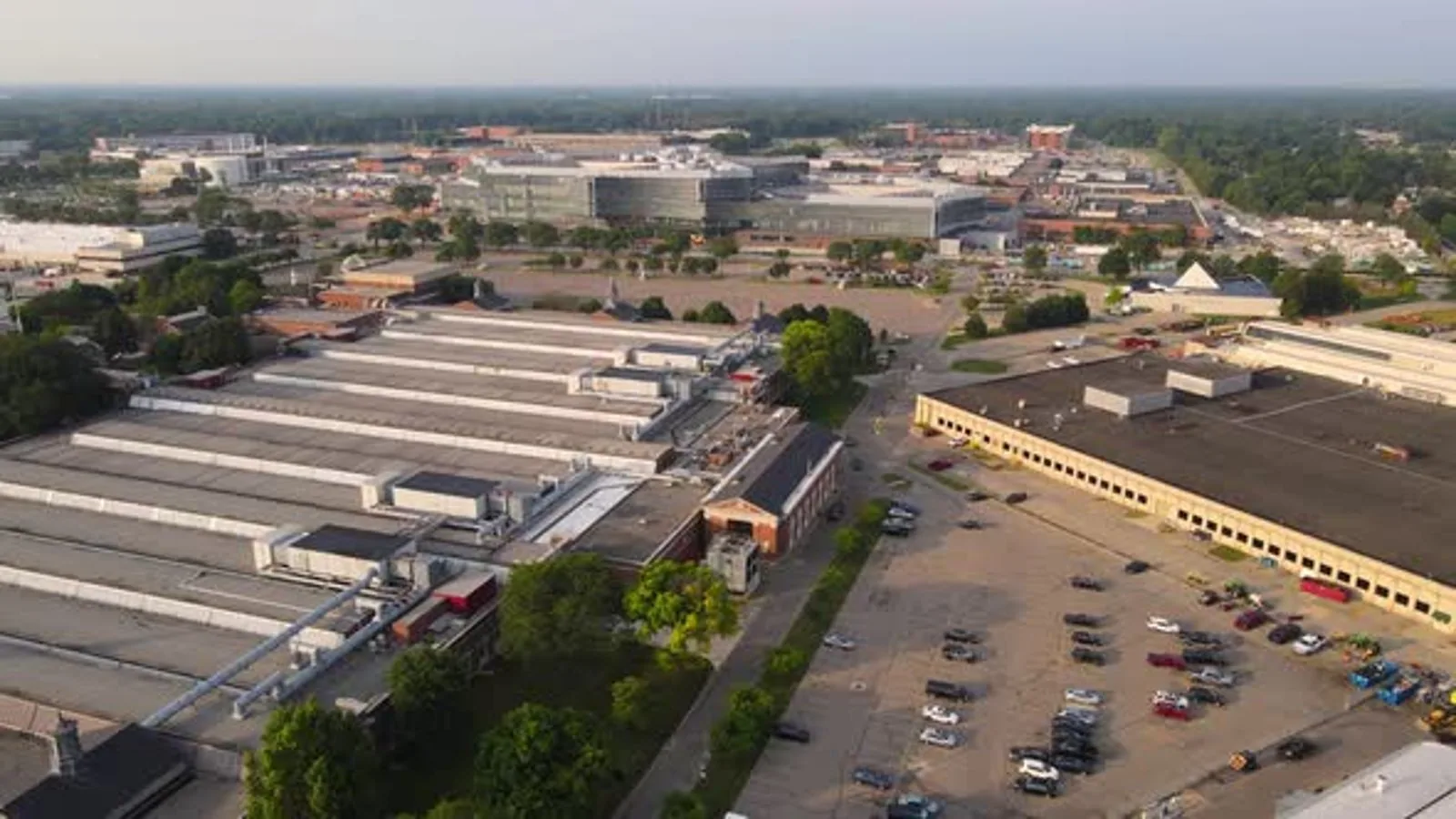
An asset register helps only when each entry points to an inspected roof area, a current condition, and a next action. We record the building, roof system where confirmed, active leaks, drainage, visible defects, repair history, and access limits. Photographs connect findings to the property record, so a manager can distinguish an open item from a completed repair. Hampton’s business parks include office, flex-office, light manufacturing, warehouse, and distribution uses. A portfolio record should reflect those differences at the actual property rather than assume similar roofs from the business label. Commercial roof inspections provide the field observations that keep a roof register tied to what was seen.
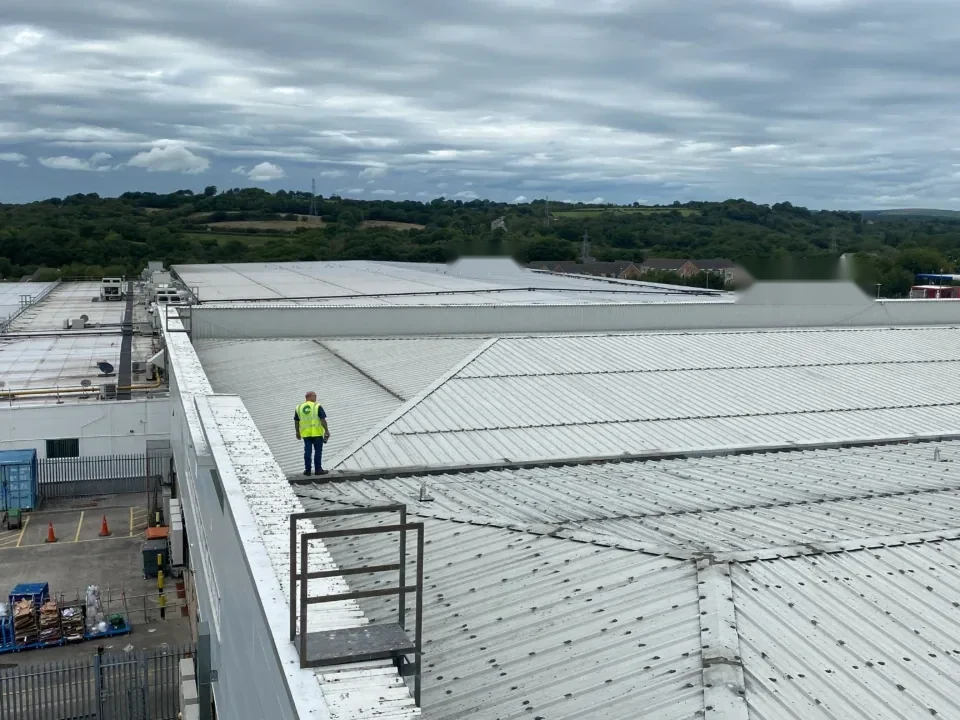
A useful inventory starts with stable building names and a roof plan or location reference. We divide the roof into areas that a facilities contact can find again, then record membrane or metal system only when the field evidence supports it. Equipment curbs, drains, seams, edge details, and prior repairs can be tagged to the relevant zone. If drawings are missing or an area cannot be accessed, that limitation stays visible in the record.
Coliseum Central pairs offices and medical-service buildings with retail and other mixed uses; Downtown Hampton includes small and Class A offices, each with its own operating context and roof-record needs. Those facts give broad market context, not a roof map. We inspect each building and connect observations to its own entry. A roof condition report can carry the inventory into a dated record with photographs and prioritized next steps.
Each entry should state what the crew observed, what the condition affects, and what response is recommended. Active water, open flashing, clogged drainage, and surface wear have different urgency and scope. A photo and location label help the owner compare the next visit without treating a previous record as a current inspection.
We can mark an item as repair, test, monitor, or review for larger capital work. That label follows the field evidence and does not imply that hidden layers were inspected. If moisture testing or a selective opening is needed, the register records that step rather than assigning an unverified condition. A moisture survey can support a decision when concealed wet material would change repair limits or replacement planning.
Interstate 64 and Magruder Boulevard connect to Hampton Roads Center business parks, while West Park sits on Big Bethel Road with I-64 visibility and offers a useful reference for dispatch planning. At Copeland Industrial Park, the I-64/I-664 junction borders the business park, which also has rail access at some locations. These local facts help orient broad service records and delivery planning, but they do not indicate how many buildings a particular owner controls or what roofs are installed.
A portfolio spanning Copeland Industrial Park and other Hampton locations needs asset entries tied to each property, not a single district-wide condition. We confirm access, roof area, and system at the building. That keeps the register useful when ownership, tenants, or facility contacts change.
Maintenance timing can follow observed defects, drainage needs, previous repairs, and the next operating window. The register should show which items were checked, which remain open, and whether the next visit needs a roof walk, drain clearing, or closer test. A reminder without a location is difficult to act on, so each task points to the roof zone and contact responsible for access.
We can revisit seams, penetrations, flashings, drains, and edge metal and record changes from the prior record. If a new leak is reported, it receives a fresh investigation rather than inheriting the earlier diagnosis. A preventive maintenance visit can update findings and assign next steps. For a portfolio, the manager can compare items by building while keeping each roof's condition separate.
A roof register can help identify which areas need immediate repair, further testing, or a replacement discussion. It does not set a capital budget by itself. We connect recommended work to the assembly, condition, moisture findings, access, and phasing needs that were observed. Cost and timing depend on the scope and project assumptions, which are recorded separately from the condition rating. Condition labels are useful when their basis is visible. We record whether a rating reflects active leakage, open flashing, surface wear, moisture testing, or a repair history, and avoid blending those findings into an unexplained score. A manager can then compare roofs using the same questions while retaining the details behind each entry. If a budget review depends on concealed moisture or the exact system, the register should show that testing or identification is still open. The next inspection can be assigned before a replacement allowance is treated as a confirmed scope.
When several properties are involved, the owner may sequence work by operating impact, weather exposure, or access constraints. A roof capital plan can group projects and identify decision points, while individual scopes remain tied to each property. Hampton’s roads and business-park locations affect routing and material access only when confirmed by the site contact; they do not define a roof's priority.
Keep the dated inspection, photographs, repair authorization, completion record, and open recommendations with each asset. A future manager should be able to see which area was inspected, what was found, and what action followed. When a condition could not be confirmed, the file identifies the next access or test needed rather than implying closure.
For a property changing hands, roof due diligence may need to connect current field findings with available maintenance records and prior repairs. The report states what was reviewed and the limits of the visit. That is more useful than a general statement that the roof is in good condition because it gives the next owner an actual location and next step.
After a repair or maintenance visit, we update the affected entry with work performed, photographs, materials when confirmed, and any condition left to monitor. We close items only when the scoped work is complete and the result is documented. A new condition is added with its date and location rather than blended into an old service record.
Downtown Hampton and Coliseum Central include offices, retail, medical services, and mixed-use properties, giving an owner distinct commercial settings to track. Those are local building-use facts, not a substitute for asset-specific records. A portfolio manager can use a repair record and a separate replacement scope to keep immediate work distinct from capital decisions. The register remains a working file for each roof, not a promise about future performance.