Commercial roofing for Hampton and the Virginia Peninsula

Commercial roofing for Hampton and the Virginia Peninsula
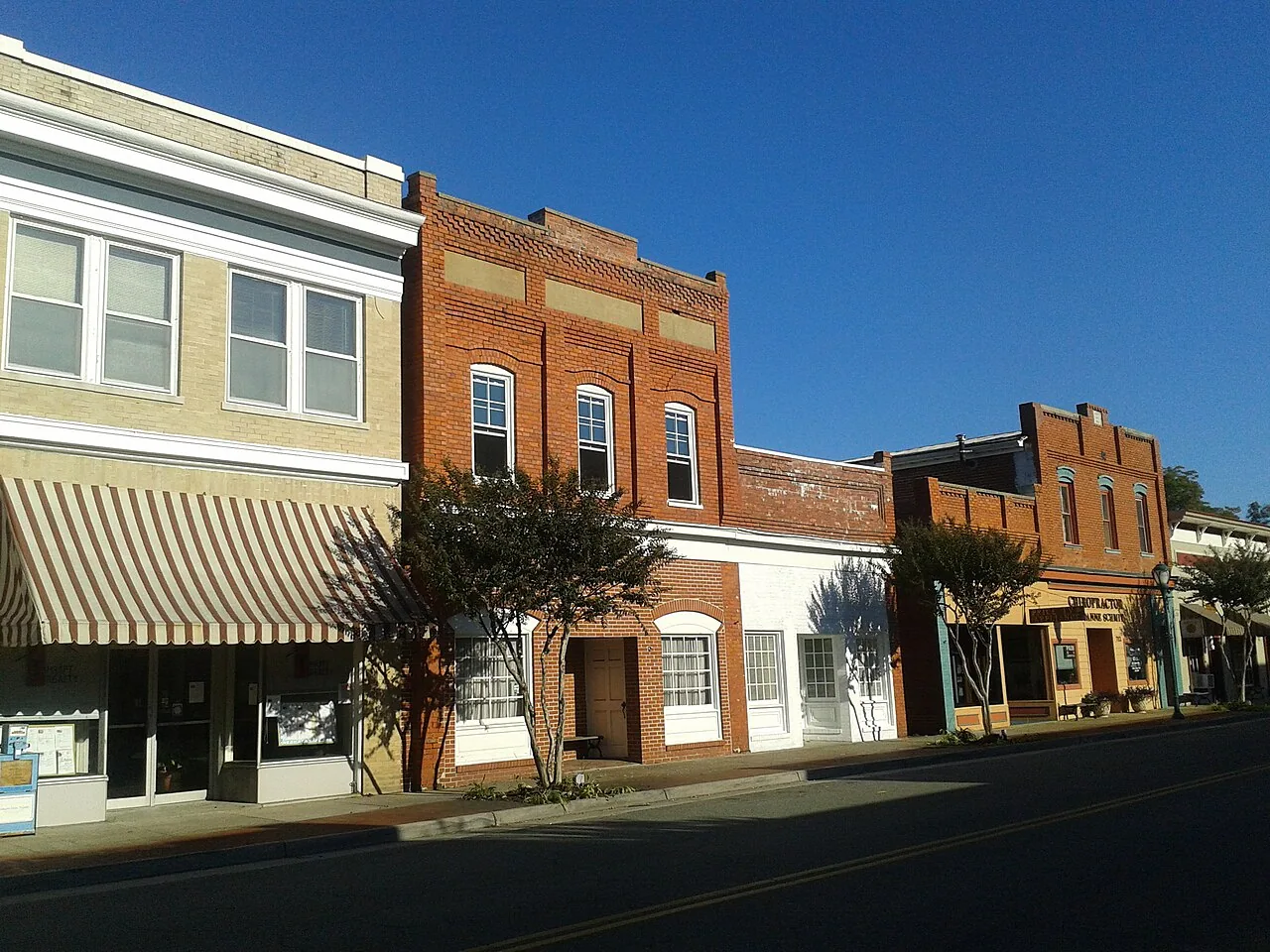
Across Hampton Roads Center, a roof call begins with the affected building and its operating needs. We ask where water appeared, what sits below the area, and how roof access can be arranged. Several parks make up Hampton Roads Center, with offices, flex space, and light manufacturing among the uses. North Park contributes aerospace, automotive, research, and development activity to the broader area. That mix calls for property-specific access planning before the crew scopes roof work. We inspect the assembly, seams, penetrations, flashing, drains, and edges, then identify what the owner needs to decide. A commercial roof inspection can document field conditions; commercial roof repair addresses a defect when a focused scope fits. The first visit also covers access limits, temporary protection, and the timing needed to keep the building operating.
Hampton Roads Center includes varied business-park uses, so the contact at each property defines the work constraints. We ask whether office staff, office activity, equipment, or production areas need coordination. We also confirm roof access, escorts, loading periods, sensitive rooms, and who can approve work. These details guide staging and the route across the roof. If water is active above occupied space, temporary protection may be appropriate before a permanent repair is ready. For a larger scope, an occupied-building roofing plan can identify the phases, work zones, and communication needed. The property contact confirms those details, and the crew documents any restriction that could affect inspection, material choice, or timing. That keeps the proposal tied to actual operations rather than a district-level assumption.
A roof walk begins near the reported issue, then follows possible paths across seams, penetrations, walls, drains, and transitions. We photograph each condition and label its roof section so a manager can find it later. If the assembly is not identifiable from exposed details, we record that uncertainty rather than choose materials prematurely. The crew looks for open laps, loose flashing, punctures, wet insulation signs, prior patches, and perimeter movement. An inaccessible area or safety limit is also recorded. A condition report with photos makes it easier to compare a repair recommendation with the observed roof. If the evidence is incomplete, the report explains what additional access or testing would resolve it. The owner receives a distinction between confirmed damage, maintenance needs, and questions requiring follow-up. That is a stronger basis for repair approval than a conclusion drawn from an interior stain alone.
The business-park area connects to Interstates 64 and 664, Magruder Boulevard, Big Bethel Road, and Hampton Roads Center Parkway. Those access routes do not determine how a roof handles rain. At the building, we check drain bowls, strainers, scuppers, overflow paths, low areas, and the slope between them. We also inspect edge metal and flashing for movement or separation. A drainage obstruction can require a different correction than a failed seam. System type matters as well: TPO seam work and silicone restoration involve different preparation and surface requirements. We recommend additional testing if moisture may extend beyond visible damage. The report keeps city context and property observations separate, then describes what should be corrected before the next weather window. No condition is assigned to a property solely because it sits in a particular business-park area.
A repair scope should name the detail, assembly, and preparation needed to address it. We inspect the surface and substrate, then confirm whether surrounding material can support a compatible tie-in. A puncture, open membrane lap, loose metal joint, and separated flashing are not the same failure. If the issue is limited, a targeted repair may preserve serviceable roof area. Repeated defects or moisture concerns may call for testing and a comparison with restoration, recover, or replacement. The owner should see how each option treats insulation, edge details, drains, penetrations, equipment, and building access. A coating should not be used to conceal an unresolved moisture question. If a repair is temporary, we state its purpose and the permanent step still required. The proposed scope should connect to field photographs and identify its limits. That gives the asset manager a clear basis for comparing cost drivers and interruption without unsupported price claims.
Hampton Roads Center is a group of business parks, and its road connections link the broader area with other parts of Hampton. North Park contributes aerospace, automotive, research, and development activity to the broader district. At each property, the roof walk and site contact establish operating limits. We prioritize findings by exposure and evidence: active water may need temporary protection, a localized failure may fit scheduled repair, and wider deterioration may need mapping. A capital planning review can organize supported work across time. For other Hampton commercial areas, the same inspection discipline applies in Copeland Industrial Park and along the Big Bethel Road corridor. Each property still receives its own condition record, repair sequence, and access plan. The owner can then choose work that fits the asset and its operational deadline. Before mobilizing, confirm the roof zone, approved access, and decision-maker for any added scope or temporary protection.
We confirm the work window, access route, surface preparation, and responsible contact before a crew is scheduled. A roof may need dry conditions or curing time for a repair. The building team can identify shutdown limits, security procedures, or periods when materials cannot move through an area. If multiple sections need work, the sequence can limit the time each one remains open. Temporary protection and permanent repair should be described separately, including what inspection follows. We agree who can approve a scope change if hidden conditions appear after preparation begins. Weather may shift the schedule, so the plan includes a condition check before application. The owner knows what must be ready, what could affect timing, and who will receive completion documentation. This conversation helps avoid preventable delays and makes it easier to coordinate operations with roofing work.
A useful report records which roof sections were inspected, what the crew observed, and which actions follow. Photographs carry labels and context; records distinguish a confirmed opening from suspected moisture or an inaccessible area. If the crew completes a repair, the record identifies the treated detail and any open item nearby. The owner can use that information to plan maintenance, seek approval, or discuss longer-term work. Hampton Roads Center’s business parks connect with major local roads, while each roof report remains about the property actually inspected. That distinction matters when the wider area includes offices, flex space, and light manufacturing. For the first visit, call with the affected area, access limits, and next operational deadline. We can scope the roof walk, confirm who should attend, and identify the records that will help make the visit useful.