Commercial roofing for Hampton and the Virginia Peninsula

Commercial roofing for Hampton and the Virginia Peninsula
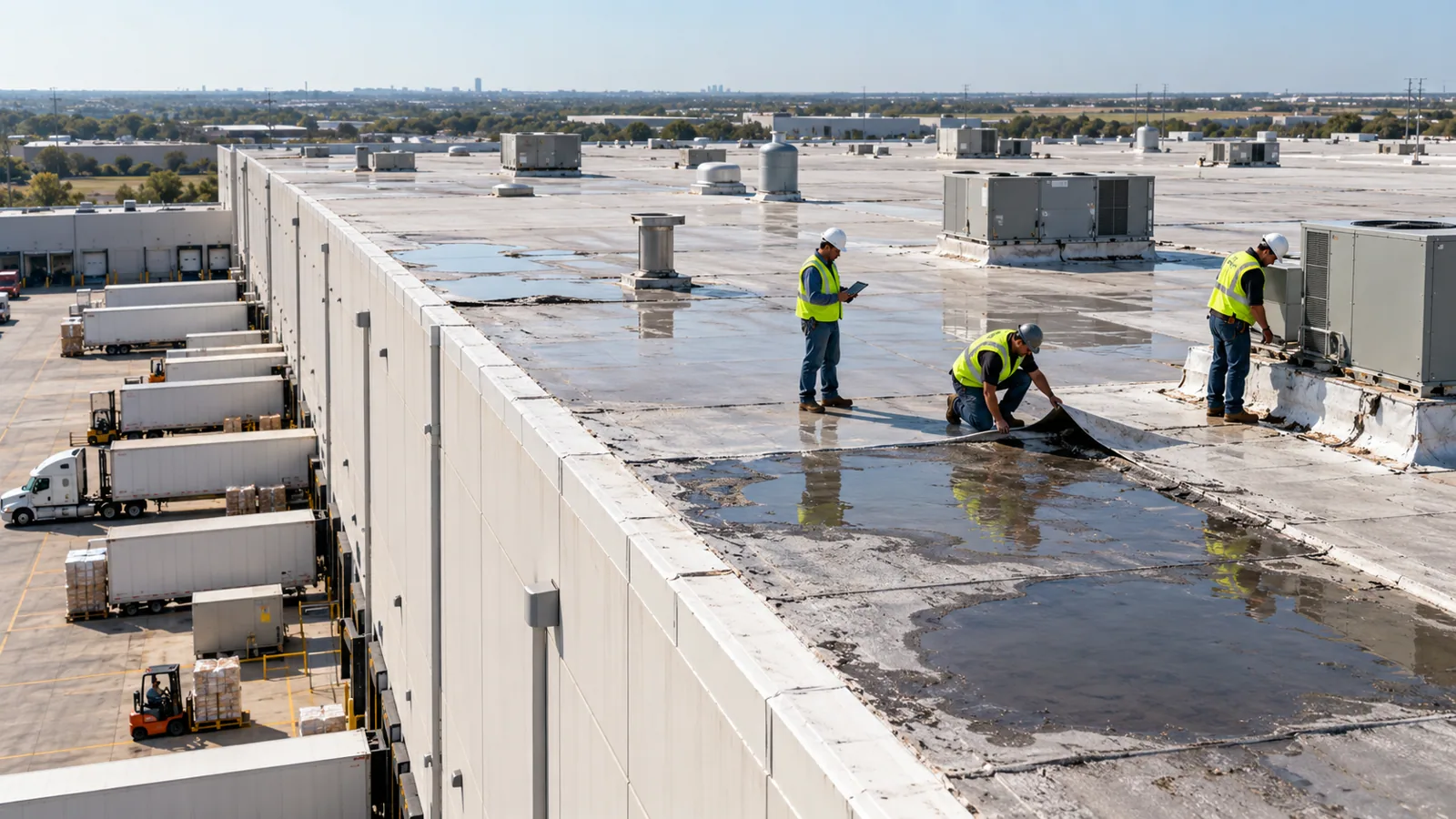
A condition report is useful when a facilities manager can connect each finding to a roof area and a next decision. We record visible conditions, access limits, photographs, and work that may need a closer test. The report separates what the crew saw from what remains unknown, so a stain does not become an unsupported diagnosis. For buildings in Hampton, VA, the record can also distinguish roof observations from the coastal weather or operating conditions surrounding the property. A commercial roof inspection supplies the field evidence behind that record.
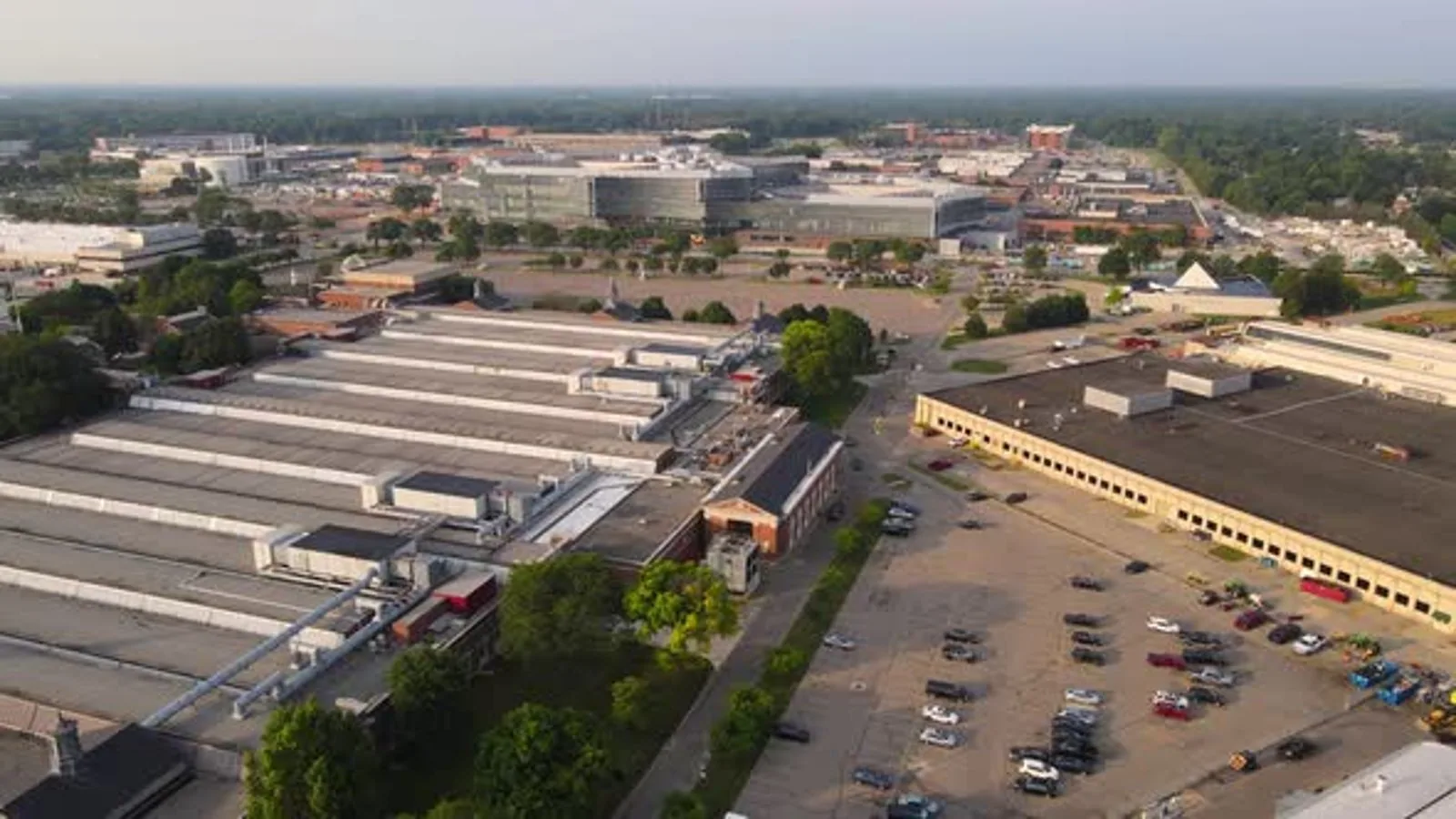
Before a roof walk, we confirm the building contact, access route, safety requirements, known leaks, tenant restrictions, and the purpose of the visit. Those details shape which roof areas can be reached and whether a lift, escort, or interior access is needed. The report names inspected and inaccessible zones separately. A photograph of one roof section cannot establish the condition of every adjoining membrane, curb, drain, or parapet.
During the visit, the crew looks at the roofing assembly that is visible, seams, flashings, penetrations, drains, edge metal, and prior repair areas. We note conditions that need follow-up instead of assigning a hidden-layer conclusion without testing. If a broader asset record is being maintained, the observations can be organized by building and roof zone.
A report should distinguish an open seam, displaced flashing, standing water, surface wear, and an interior water mark. Those are observations. Their cause may depend on the assembly, weather, drainage path, maintenance history, or a detail outside the visible area. We identify the location, extent that could be seen, and practical response, then state whether a test or selective opening is needed.
That wording helps an owner decide whether to request a repair, monitor a spot, or gather more evidence. It also makes the next roof walk more consistent because the reviewer can compare the same detail from a dated photograph. Where moisture below the membrane may change the scope, an infrared moisture survey can be considered as a separate diagnostic step, subject to suitable conditions and confirmation.
Photographs work best when a reader can tell which roof area they show and why the image matters. We pair images with a roof-zone reference, a short caption, and the observation being documented. A wide view can orient the reader; a closer image can show a seam, drain, curb, edge, or repair detail. The report avoids treating an image as proof of material beneath the visible surface.
When active water affects occupied space, we note the reported interior location and compare it with the roof observations available during the visit. A ceiling mark may sit away from the entry point, so the report does not draw a direct line without evidence. The crew can recommend drainage review, a targeted repair, or another inspection when the conditions support it. That gives the manager a useful next action rather than a gallery with no decision attached.
In Coliseum Central and Downtown Hampton, commercial sites include offices, medical services, retail, and mixed-use buildings. Hampton’s business parks add flex-office, research, light manufacturing, warehouses, and distribution. The report pairs the observed roof assembly with that building’s delivery and staging constraints.
Copeland Industrial Park and Bright’s Creek are where Hampton’s heaviest industrial uses cluster along the interstate. I-64 meets I-664 beside Copeland; rail access serves some areas of the park. Before opening a roof at Copeland Industrial Park, coordinate equipment deliveries and roof entry with the property contact, then document only the assembly inspected.
Not every observation calls for the same response. The report may identify active water that needs temporary protection, a repairable detail, a drainage issue, a condition to monitor, or a question requiring more testing. We state the basis for each recommendation and separate urgent containment from permanent work. The owner can then match the scope to the building’s operations, budget process, and next weather window.
Where several findings interact, the report explains the sequence. Clearing an accessible drain may be appropriate before evaluating a recurring ponding area; a failed penetration may need repair before the next rain; concealed moisture may require testing before a larger replacement boundary is chosen. A repair visit can address defined defects, while a capital plan can organize larger work. Neither label substitutes for the Diligence Notes and limits in the report.
A property manager may need to share findings with an owner, tenant contact, maintenance team, insurer, or contractor. The report supports that handoff when it includes the visit date, weather conditions if noted, inspected areas, access restrictions, photographs, observations, and recommended next steps. It should also identify records that were reviewed and questions left open. We do not present a visual roof walk as a warranty determination, code certification, or forecast of future performance.
If work is authorized, the repair scope should point back to specific report findings. After completion, a dated closeout can record the area addressed, materials confirmed, photographs, and any remaining monitoring item. A due-diligence survey may need a wider review of available roof records, but its limits should be equally clear. That distinction helps decision-makers understand what the contractor inspected and what the building file still needs.
Keep the report with work orders, prior repairs, roof plans, warranties, and maintenance records. A later inspection can compare a photographed detail, note a changed condition, and verify whether an earlier recommendation was completed. If the manager changes, the file still shows the inspection scope and access limitations. A clear baseline is more useful than a broad rating with no location, photograph, or supporting observation.
For portfolios, each report can follow a consistent set of fields while preserving building-specific details. The same approach works for Downtown Hampton office properties and facilities in Coliseum Central, but the resulting observations should never be copied from one roof to another. A maintenance visit can update the record as conditions change. Call with the property, affected area, access limits, and decision deadline so the first visit can be scoped appropriately.
For a report used in a capital meeting, we can separate verified repairs from recommendations still awaiting access or testing. The owner can see which findings affect occupied rooms, which areas remain open, and what information is needed before a bid is prepared. We can also note the next review date requested by the facilities contact, without treating a reminder as proof that a condition stayed unchanged. That keeps later discussions tied to the inspection record.