Commercial roofing for Hampton and the Virginia Peninsula

Commercial roofing for Hampton and the Virginia Peninsula
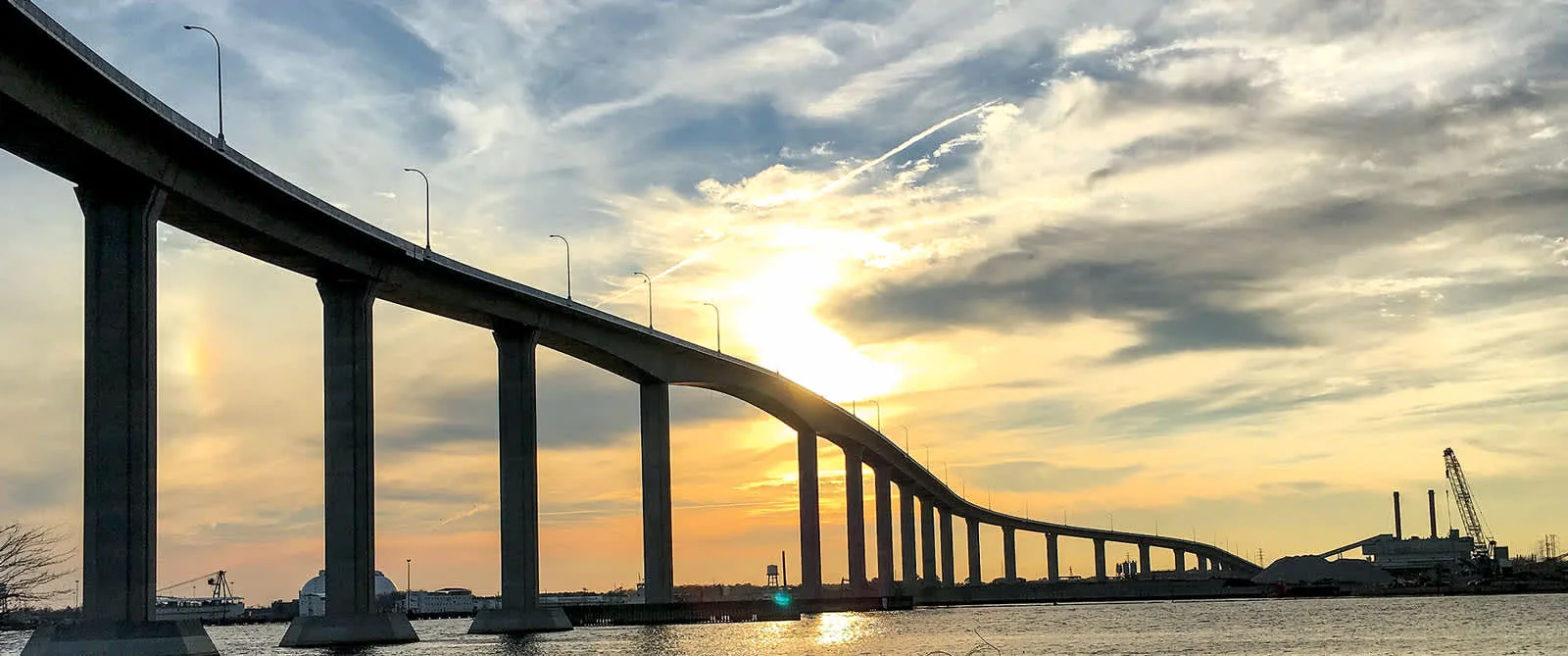
Willow Oaks roof calls start with the building that is showing a change. We ask where water appeared, when it began, and what rooms or equipment sit below the affected area. The Fox Hill Road and Willow Oaks Boulevard intersection is a commercial node, and Hampton commercial activity is concentrated along selected major roads and key intersections. At the property, inspect the roof assembly, seams, penetrations, flashing, drains, and edges before recommending work. We verify the system during a roof walk and inspect seams, penetrations, flashing, drains, and edges. A commercial roof inspection can document the visible condition before a repair is scoped. For an active leak, leak repair may address a contained opening if the surrounding materials are serviceable. We also confirm access, occupied areas, and the next operational deadline so the first visit addresses the building’s actual needs.
The interior report gives the crew a starting point, but water may travel before it becomes visible. We compare the affected room with conditions overhead and inspect likely paths along seams, curbs, penetrations, walls, and drainage transitions. Photographs show the suspect detail and the surrounding area so the location can be found again. We note whether a seam is open, flashing is separated, insulation appears wet, or a prior patch has changed. If equipment or access rules prevent a complete walk, the report states what was not inspected. The owner can then decide whether another visit or a focused test is needed. A repair recommendation should connect to an observable condition, not the fact that a stain exists. When multiple details are nearby, we mark each separately and explain which one appears most relevant to the reported water. That creates a useful scope instead of a guess.
Hampton’s northeastern watershed planning includes Fox Hill and nearby neighborhoods where coastal storm and tidal flooding are evaluated. That regional context does not prove water is standing on a roof or entering a building. We inspect how roof runoff moves across the surface and into drains, scuppers, or overflow paths. The crew looks for blocked openings, low areas, changes in slope, and rooftop equipment that interrupts drainage. We also examine perimeter metal and flashing for movement or gaps that can admit wind-driven rain. The weather record and roof evidence stay distinct in the report. If the assembly is a TPO membrane system, seam details need compatible material and preparation; an EPDM roof has its own repair requirements. Material is confirmed before repair is selected. This approach keeps a city-level exposure fact from becoming an unsupported property-level conclusion.
Before a crew arrives, we ask who can authorize roof access and what activity below the work area cannot stop. The property may have delivery windows, occupied rooms, security rules, or equipment that needs coordination. Those details affect staging, route, and the order in which repairs are completed. If water is active above a sensitive room, temporary protection may be needed while a permanent repair is planned. For a larger project, the occupied-building roofing sequence can outline work zones, access, and communication before mobilization. We confirm whether an escort is required and who will review the field findings. The property contact identifies operating requirements, and we document any constraint that affects roof access, timing, or scope. The result is a repair plan tied to the people and spaces involved.
A repair should address the failed detail and preserve sound surrounding material. We identify the membrane, metal profile, or other assembly, then check the substrate and moisture condition where accessible. A puncture, open seam, damaged penetration flashing, and loose edge require different preparation. If the defect is localized, a focused repair may be enough. Repeated failures or broader deterioration can call for testing and comparison with restoration, recover, or replacement. The owner should understand what each scope includes: surface preparation, insulation, drains, edge metal, equipment coordination, and building impact. A coating is not a substitute for resolving an unknown moisture problem or using compatible materials. If the walk cannot establish the assembly, we state what information is needed before choosing a repair product. The report ties the proposed method to photographs and notes, so approval is based on a condition the owner can review rather than a broad promise.
Findings are more useful when they are separated by consequence and confidence. Active water above an occupied area may need prompt protection. A localized seam concern might fit a scheduled repair. Suspected wet insulation or repeated failures may need testing before the owner commits to a wider scope. We show the evidence for each item and identify the decision it requires. The Fox Hill Road and Willow Oaks Boulevard commercial node serves a wider district; repair priority follows the roof findings and the building’s operating needs. A roof condition report preserves photographs and next steps, while capital planning can organize supported work over time. The owner can compare options without treating each visible defect as an emergency or delaying an active leak.
We plan the repair window around access, preparation, material needs, and the building calendar. Some work requires a dry surface or a suitable cure period. The contact can identify times when roof access is easiest and spaces below that need advance notice. If temporary protection was installed, the record should state its purpose and when permanent work remains due. For a multi-area scope, the crew can sequence sections and close each work zone before moving on. We agree who can approve additional work if the roof walk reveals a condition outside the original scope. Weather may change a planned date, so the schedule should leave room to confirm conditions before materials are applied. A return visit is more efficient when photographs, access arrangements, and unanswered questions are already documented. The property team knows what to prepare and which decision needs to be made before the crew mobilizes.
Hampton evaluates coastal storm and tidal flooding in Fox Hill and nearby neighborhoods. The Willow Oaks intersection is a commercial node. Field findings at each building still come from its roof assembly, accessible areas, observed conditions, and repair steps. We keep them separate from field findings, which identify assembly, observed conditions, accessible areas, and repair steps. Photographs are labeled by roof section so that the owner or another manager can follow the record. If an inspection was limited, the report says why and what would complete it. For a nearby service area, the same inspection discipline applies in Fox Hill and Harris Creek, with recommendations tied to each property. Label repairs by building and roof zone for return visits. Call with the affected area, access limits, and next operational deadline so we can scope the first roof walk.