Commercial roofing for Hampton and the Virginia Peninsula

Commercial roofing for Hampton and the Virginia Peninsula
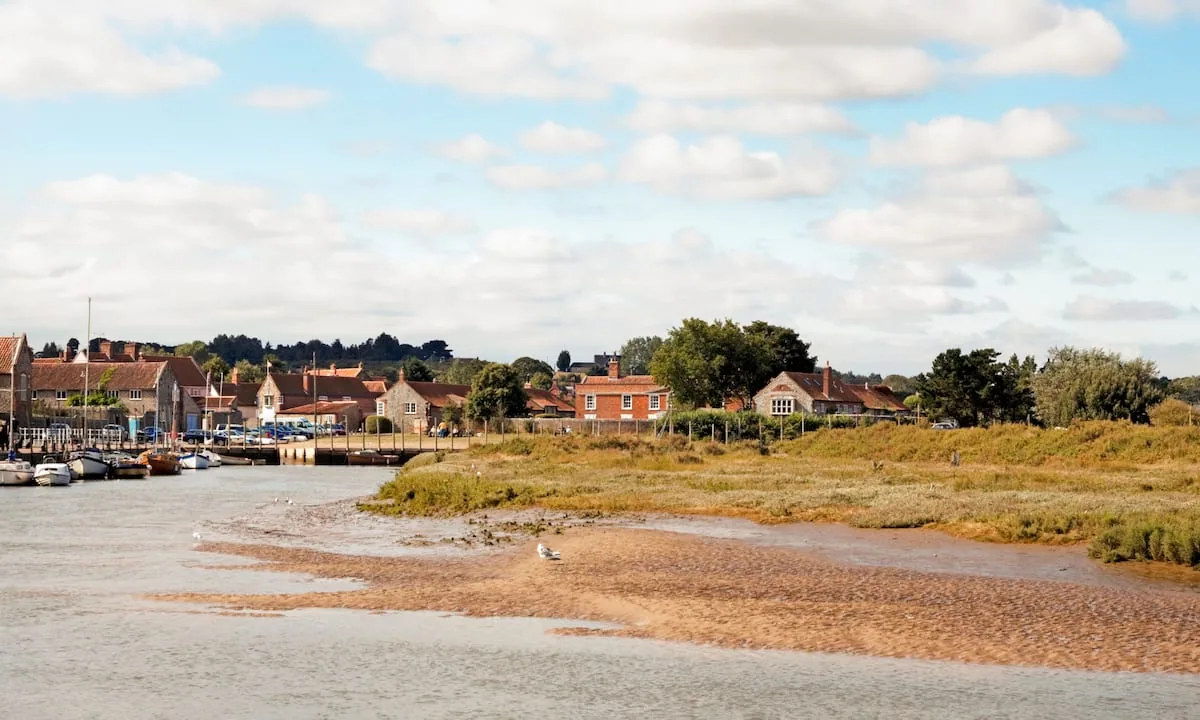
A Harris Creek roof call begins with the area that changed inside the building. We ask when water appeared, what rooms or equipment sit below it, and which access limits shape a safe roof walk. Hampton includes Harris Creek with Fox Hill and Grandview in one northeastern watershed planning area. That city context makes drainage and storm exposure useful topics for the inspection, but it does not tell us what is installed on a particular roof. We look at the membrane, seams, penetrations, edge metal, drains, and earlier patches before recommending work. A commercial roof leak repair may be the right first step when the affected area is contained and the assembly remains serviceable. If operations are exposed, a first-call emergency response can address temporary protection while the permanent scope is defined. The first visit separates observed conditions from assumptions and gives the asset manager a practical next decision.
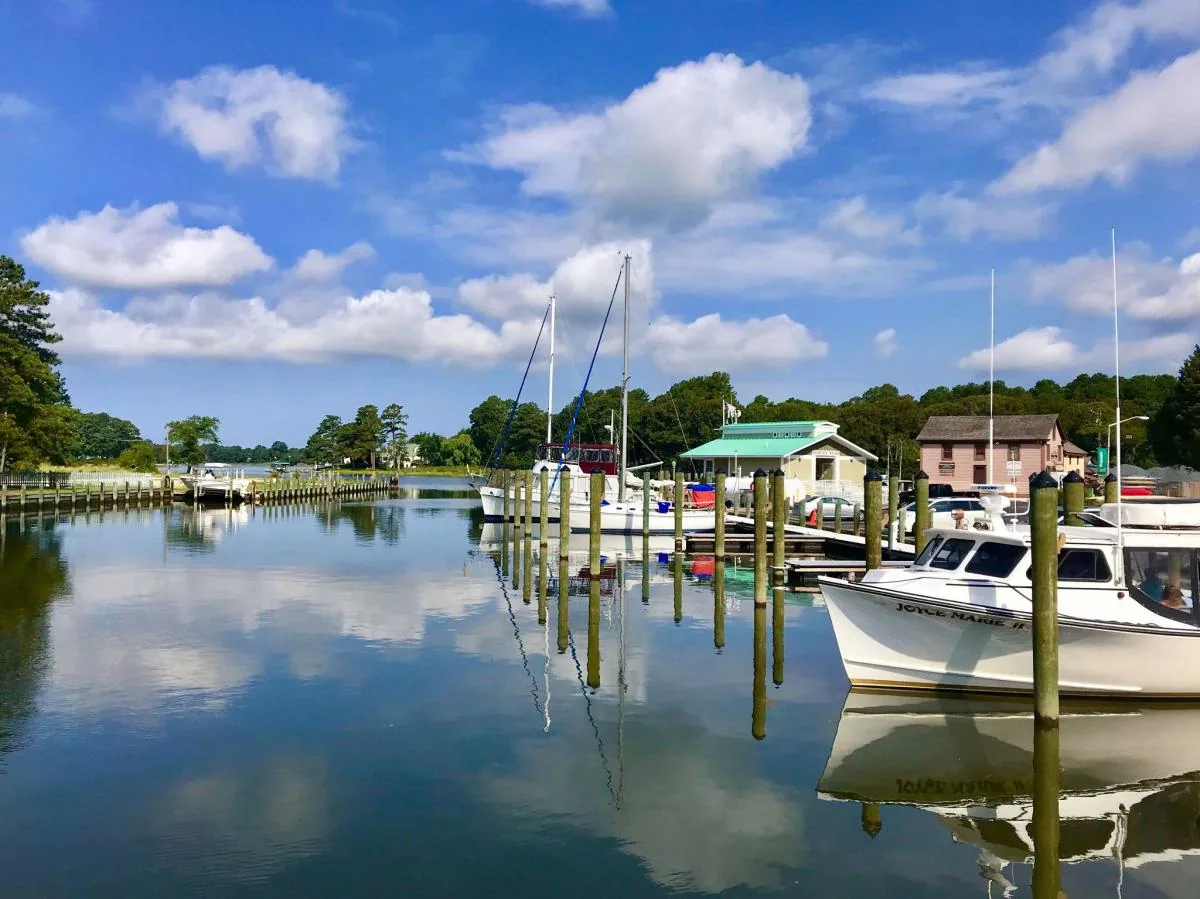
Interior staining gives the crew a place to begin, not a complete diagnosis. Water can travel along a deck, insulation joint, conduit, or structural member before it becomes visible, so we compare the reported spot with conditions overhead. During a commercial roof inspection, we photograph accessible seams, flashing transitions, penetrations, drains, scuppers, and perimeter details. We record whether a repair appears recent, whether materials have separated, and whether the surface can be evaluated without disturbing sound areas. On a larger roof, the walk follows a deliberate route so that findings can be tied to a section instead of left as a vague list. Where access is limited, we identify the boundary and the information still needed. The resulting field record helps distinguish an active opening from a drainage condition or an older patch that deserves monitoring. No single symptom decides a replacement; the assembly, repair history, and condition across the roof matter together.
Low elevations and coastal proximity can leave northeastern Hampton heavily affected during storm events. Its resilience process is also evaluating recurrent tidal flooding and nor’easter impacts in Harris Creek. Those are area-level planning concerns, not a forecast for a particular property or proof that a roof has failed. They do give an owner a sound reason to ask how water leaves the roof and how perimeter details are holding. We check drain openings, low points, overflow routes, seams, and edge conditions, then compare those observations with the reported timing of water entry. For an exposed assembly, TPO membrane details and EPDM seam conditions call for material-specific repair methods rather than a generic patch. The goal is to document what the roof shows today, identify what should be protected before the next weather window, and keep broader coastal context separate from measured roof findings.
A roof repair has to protect the interior while work is under way. Before mobilization, we ask which spaces cannot be interrupted, where occupants or equipment create access limits, and who can approve temporary protection. Those details shape the sequence for moving materials, isolating a work area, and keeping the building in use. A small opening above a sensitive room may need a faster response than a broad area of aging membrane over an unoccupied space, even when both deserve attention. We mark the affected zone, verify the safest route to it, and coordinate any rooftop equipment that blocks the repair surface. If water is active, the first objective is to limit additional exposure without disguising the permanent condition. The asset manager receives a clear account of what was accessible, what was protected, and what remains uncertain. That is more useful than promising that a crew can work everywhere without affecting building operations.
When the damage is local, the repair should address the opening and the detail that allowed it to develop. The crew confirms membrane type, substrate condition, moisture signs, and compatibility before selecting materials. A seam separation, puncture, failed penetration flashing, or drain transition does not call for the same repair. If a small repair can be completed without trapping wet material or creating a new weak edge, it may preserve serviceable roof area. If findings extend beyond one point, we can map the affected sections and compare repair with recover, restoration, or replacement. The comparison should identify preparation, insulation concerns, edge work, equipment coordination, and the practical limits of each option. We do not treat a coating as a fix for every assembly; surface condition and system compatibility decide whether that path is reasonable. For a roof with several repair periods behind it, a photo-supported condition report can organize the evidence before capital work is selected.
After the walk, findings can be grouped by consequence and timing. Active water, a loose perimeter detail, and a worn field seam may deserve different responses, even if they appear on the same roof. We explain which condition calls for temporary protection, which can wait for a scheduled repair window, and what should be evaluated across a larger area. If replacement is under consideration, the report should state why isolated repairs no longer address the observed pattern. If the roof remains serviceable, a limited scope can be compared with planned maintenance rather than framed as an all-or-nothing choice. The owner can then weigh operational disruption, access, material selection, and the condition of the substrate. Harris Creek, Fox Hill, and Grandview share a city planning area, yet each building still needs its own roof inspection. We use that distinction to keep local context helpful without substituting it for an inspection. Any recommendation should follow the conditions recorded at the property.
Scheduling begins with the building’s operating calendar and the condition at the roof. We confirm who can provide access, whether interior staff need notice, and which equipment or deliveries affect the route. A temporary measure may be appropriate while a permanent repair is prepared, but its scope and limits should be clear to the person responsible for the asset. The repair plan can also identify weather-sensitive steps, surface preparation, and any testing needed before materials are installed. For a multi-area scope, sequencing keeps open work zones controlled and gives the owner a chance to coordinate tenants or vendors. We discuss the next weather window as a scheduling factor, not a promise about conditions. A realistic access plan helps avoid rushed decisions and makes the permanent work easier to verify afterward.
Useful documentation lets the next decision-maker understand what the crew saw without relying on memory. We label photographs by roof area, describe the visible condition, and record whether the material was accessible during the walk. When the inspection finds a likely entry point, the report connects it to the repair recommendation and records any nearby conditions that could affect performance. If the evidence is inconclusive, that uncertainty stays visible, along with the next test or observation that could resolve it. This record supports a maintenance discussion, an internal capital review, or insurance documentation when a covered event is being evaluated. It does not replace a policy decision or promise an outcome. The owner should be able to compare the roof’s observed condition with earlier records and see where attention has shifted. Clear records also help coordinate follow-up with people responsible for the affected rooms, roof access, and budget approval.