Commercial roofing for Hampton and the Virginia Peninsula

Commercial roofing for Hampton and the Virginia Peninsula
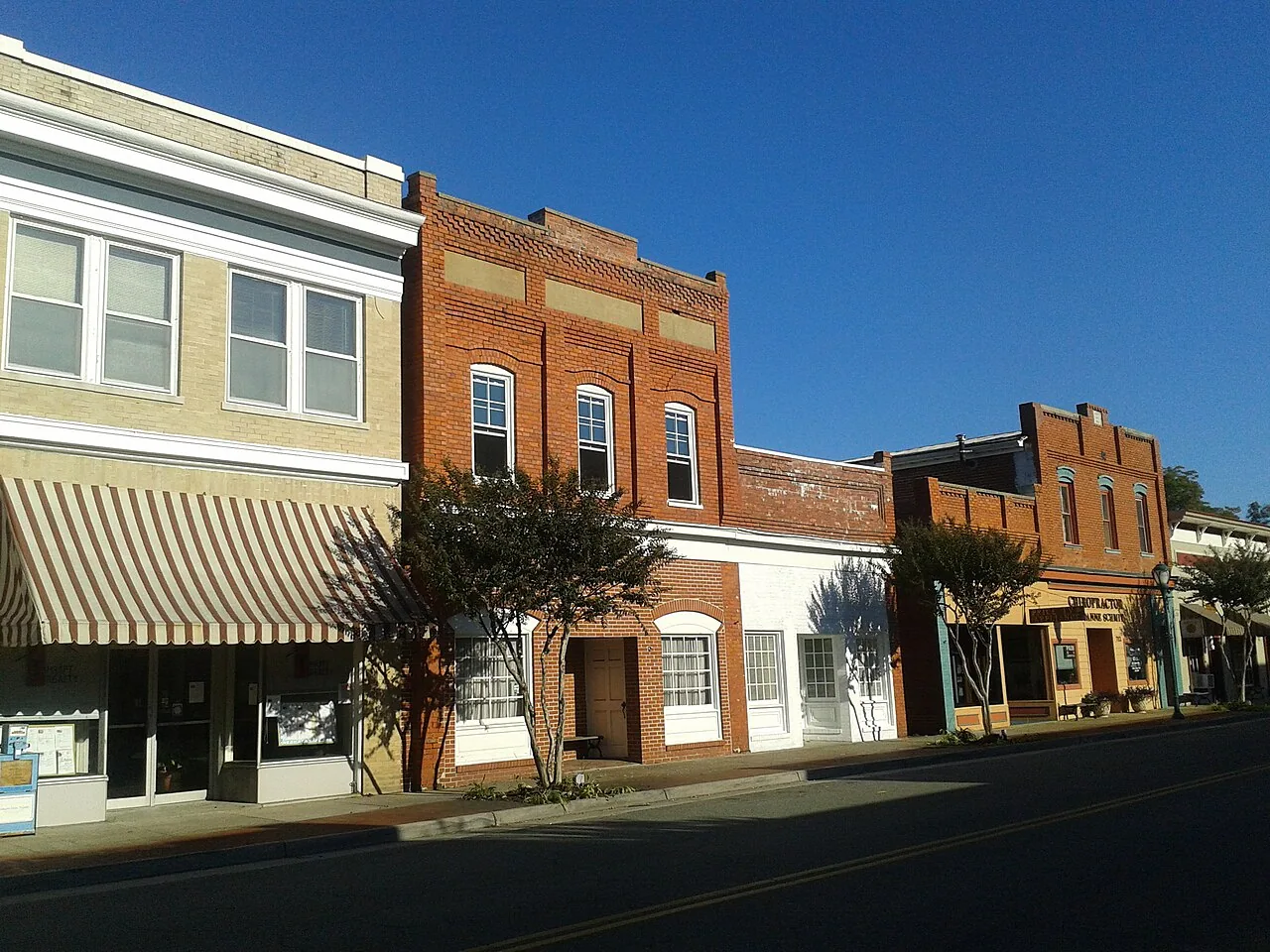
A roof report from one end of Newport News may describe a different operation and access plan from a call elsewhere in the city. The first details we need are the affected area, when water appeared, and what must continue below the roof. Newport News extends about 23 miles along the James River and Hampton Roads Harbor, with commercial, research, healthcare, manufacturing, and distribution activity across the city. We inspect the actual seams, penetrations, drainage, perimeter, and interior evidence, then connect photographs to the building and reported condition. An inspection visit can establish that baseline; if water is active, leak repair may come first. Oyster Point and City Center form one mixed-use district within Newport News, but that property's access and roof record remain separate from others across the city. A useful recommendation begins with what the crew can confirm at the site.
Describe the room, process area, or equipment below the affected roof section. Tell us when the symptom began, whether it returns during certain weather, and whether an earlier repair changed it. A photo from inside may help with orientation, but it cannot identify a roof opening by itself. If a facility has restricted entry or needs an escort, share that before a crew is dispatched.
The roof walk follows the report through the membrane or metal assembly. We check seams, curbs, penetrations, flashing, drains, scuppers, and edge metal, then photograph the surrounding material. Water may travel before it reaches a ceiling, so the nearest roof detail is not automatically the source. We note what is visible and what access limits prevent us from confirming. If more than one pathway remains plausible, the field record can identify the useful next test instead of turning uncertainty into a broad repair scope.
Newport News has a diverse trade base that includes shipbuilding, technological research, and international commerce, alongside manufacturing, distribution, healthcare, higher education, and commercial activity. Each property has its own operating limits, so we confirm access and work areas with the site contact. We ask who can approve roof access, whether a process must remain live, which areas require notice, and where a crew may stage materials.
When an asset manager oversees the Oyster Point and City Center district, its business-park and mixed-use setting has its own access contacts and occupancy plan. The Hampton Roads Center business-park area in Hampton includes office, flex-office, research, and light-manufacturing uses. We confirm the current property’s entrances, escorts, work hours, and sensitive equipment with its site contact. Before setting a repair window, document where materials may be staged and which occupied areas need advance notice. A written access plan reduces last-minute interruption and keeps the work boundary clear for people using the building.
If a roof walk identifies one open seam or a failed flashing detail, a localized repair may be enough when surrounding materials remain sound. The crew prepares the surface, checks adjacent material, and makes a compatible connection to the existing assembly. If moisture extends into insulation or deck material, the boundary may need to widen. The manager should know which condition changes the scope before work begins.
Several repairs, widespread deterioration, or repeated wet areas can support a broader comparison. A replacement review considers the assembly, drainage, insulation, deck, perimeter, and operating requirements. A seam-failure repair is more focused when a seam is the observed concern. Owners weighing a new system can compare EPDM or another assembly only after the existing roof and project constraints are understood. We lay out the evidence, options, and remaining questions so a capital choice does not outrun the inspection. The owner can also see what drives schedule and cost: the area that must be opened, the assembly that needs compatible materials, whether insulation or deck work is included, and what access the operation permits. We identify those scope elements before comparing repair with renewal, so the choice reflects conditions at the building rather than the scale of the city or its trade base.
Newport News borders the James River and Hampton Roads Harbor. During Hurricane Isabel in 2003, Hampton Roads experienced major storm surge, heavy rain, and road high water across central and southern Virginia. For a present-day roof concern, establish when it began and inspect the specific seams, outlets, flashing, insulation, and perimeter before setting repair limits. Include a fixed reference in photos so follow-up crews can relocate the defect.
For a current call, we compare the report with what the crew can observe: open seams, shifted flashing, blocked outlets, wet insulation, or another detail. We ask whether water appeared during rain, after a tide-related event, or under another condition, without assigning cause prematurely. If active water threatens occupied space, we discuss temporary protection and a safe repair window. A wind-damage inspection checks edges, attachments, and transitions for visible movement. The photo record distinguishes what was found from what remains a question for follow-up.
Some roof repairs need only a focused visit; others require surface preparation, moisture review, or a test opening before the permanent scope is clear. We explain those dependencies and identify which actions can occur first. If temporary protection is needed, the manager should know the area it covers and when a permanent repair is expected to be considered.
Scheduling depends on safe access, available work hours, material conditions, and the effect on the operation below. A healthcare or research setting may have room restrictions; distribution activity may require a clear loading path. The site contact can identify these requirements without disclosing more than is needed for the roof plan. We set the visit around approved access and record any limitation that could affect the findings. This creates a practical sequence for inspection, repair, and follow-up rather than a date detached from the conditions that matter.
Because Newport News spans a long river and harbor frontage, asset records should make the property and roof area unmistakable. We label each photograph, identify the related seam or transition, and connect the field observation to the reported interior area. Notes state whether the crew saw active moisture, an older patch, or a condition that needs monitoring. If access was limited, that boundary remains visible in the report.
A condition report can help ownership compare findings across buildings without treating them as one roof. For recurring care, maintenance visits revisit documented details and note changes. When more than one crew or property contact is involved, a clear photo record prevents an old observation from being mistaken for a current repair. The owner receives next steps connected to evidence, with open questions left intact until a return visit answers them.