Commercial roofing for Hampton and the Virginia Peninsula

Commercial roofing for Hampton and the Virginia Peninsula
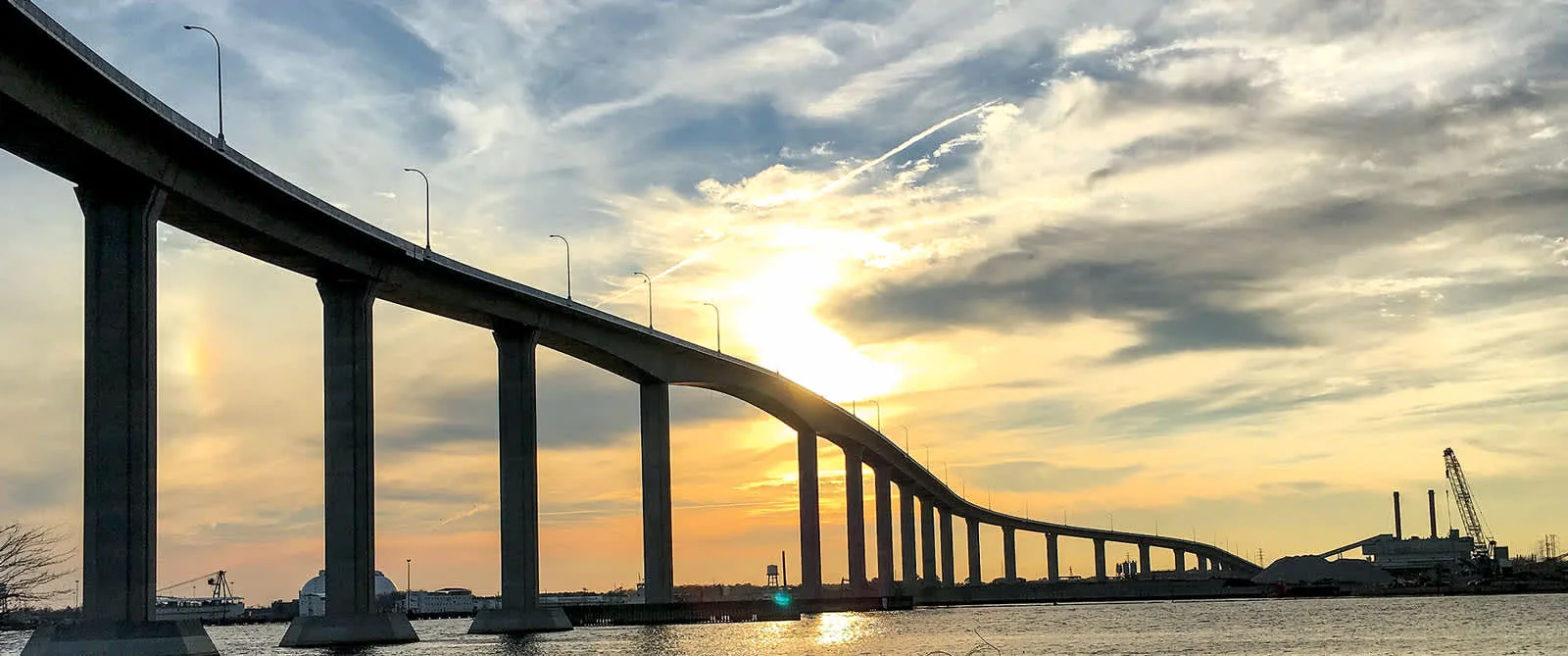
A roof issue in Oyster Point and City Center should be scoped to the building and the activity below it. We ask where water appeared, what the space needs to keep doing, and which access limits apply before setting a roof walk. Newport News describes Oyster Point and City Center as a business park and mixed-use district with office, hotel, conference, and housing uses. That mix gives an owner several occupancy needs to coordinate, but it does not identify the roof system at any one property. Our crew checks the actual membrane or metal assembly, seams, penetrations, drainage, and perimeter transitions. The commercial roof inspection documents the building’s baseline, while a leak repair visit can address an opening when site evidence supports a focused repair. The district connects with Port Warwick and the broader Oyster Point area through City Center Boulevard and nearby development, so the work plan should identify the correct property and contact. Each roof receives its own findings and access notes.
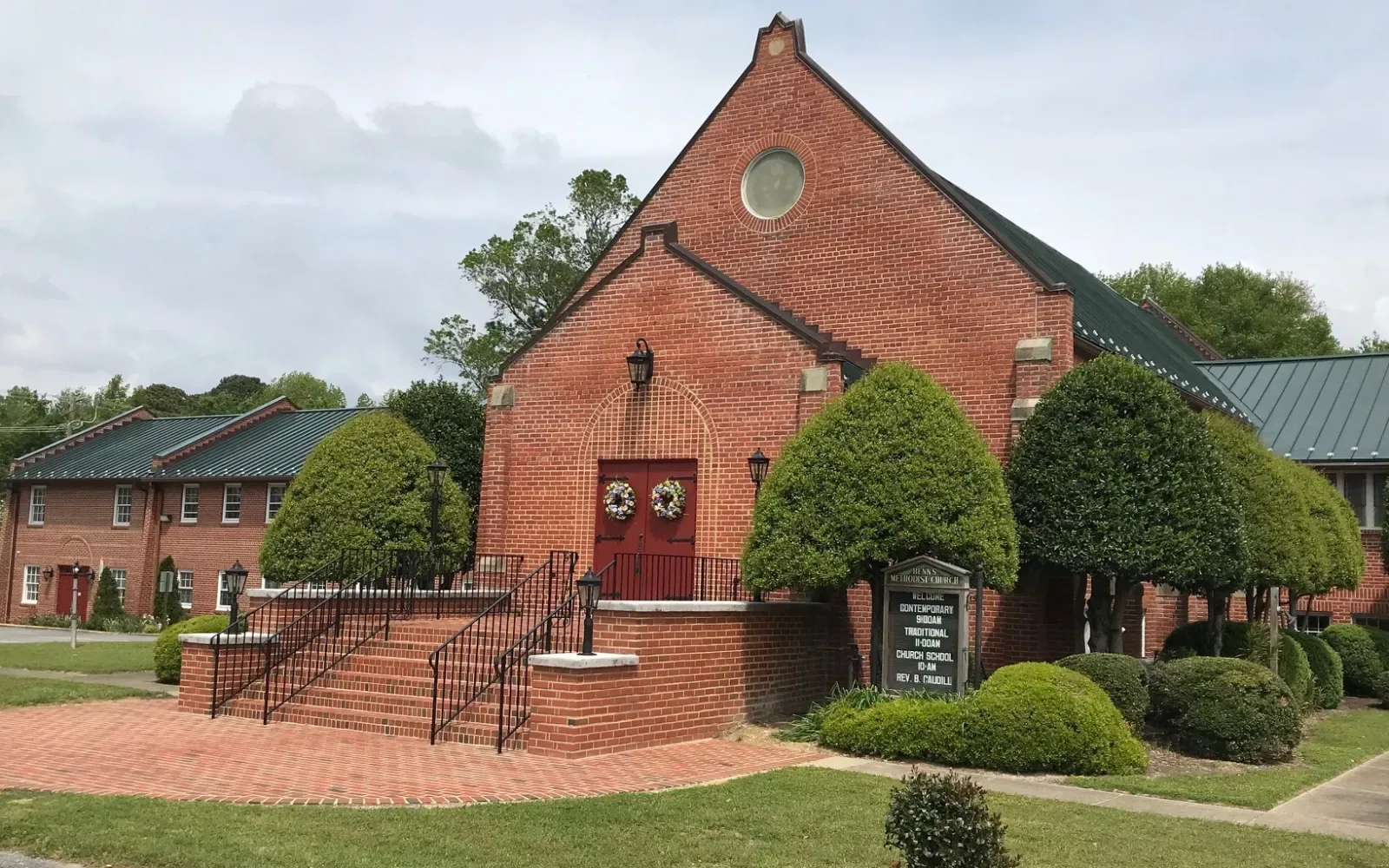
Tell us which room, ceiling bay, or equipment area is affected and when the symptom appeared. If water has stopped, report the last observed time and any change after an earlier patch. A ceiling stain may remain after the roof is dry, while water may travel from a distant seam or penetration before becoming visible inside. The first call helps select a safe route, not a final diagnosis.
During the inspection, we follow the likely path and check seams, wall and curb flashing, roof penetrations, drains, scuppers, and edge metal. We photograph each detail with enough surrounding area for a future reviewer to locate it. If a prior repair is present, its edge and adjacent materials matter as much as the patch itself. Where the evidence remains unclear, we explain what access, testing, or return observation could help. This keeps the recommendation grounded in what the crew saw rather than what a district label suggests.
Office, hotel, conference, and residential uses can have different quiet periods and entry controls. The property contact can tell us whether a roof hatch requires an escort, which rooms need advance notice, where materials may be staged, and whether any equipment must remain operating. If the work is above a guest or tenant space, we coordinate a clear boundary below the repair and confirm who can approve access.
City Center is connected with Port Warwick and the broader Oyster Point district, but nearby development does not mean the same building contact or work window applies across properties. A portfolio with a separate Newport News city roof or a York County property should keep its access plans distinct. We verify contact instructions for the scheduled address, the permitted roof route, and any restrictions before dispatch. Clear coordination helps occupied areas continue where safe while the crew inspects or repairs the roof.
A defined seam or flashing opening may support a localized repair if the surrounding assembly remains suitable. We prepare the affected area, check adjacent material, and make a connection compatible with the existing roof. If moisture has reached insulation or deck material, the scope may need to include those layers. The field record identifies what the crew observed and what remains a possibility to test.
When findings extend across several areas, an owner can compare repair with recover, restoration, or replacement. A replacement review should account for the existing assembly, drainage, perimeter, insulation, deck, and the occupancy plan below. If the reported issue is at a transition, flashing repair may be the focused scope. Cost and timing depend on the repair boundary, preparation, access, and whether affected layers need attention. We explain those drivers with the evidence so a recommendation does not extend beyond the conditions found.
The cost drivers are the repair boundary, the materials needed for a compatible tie-in, the access route, and whether the inspection supports work below the membrane. If a test opening changes the visible scope, we explain that before proceeding. This gives ownership a way to compare a contained repair with a larger project while keeping the occupied space and approval path in view.
A useful report shows the roof detail beside its surrounding surface, nearby penetration, drainage path, and edge or wall transition. We label the photo by roof area and connect it to the interior report when access allows. Notes state whether a condition was active, appeared older, or needs monitoring. If a roof area could not be reached, the report says so instead of implying a complete view.
A written condition report helps an asset manager preserve the decision record. For a mixed-use district, the property and affected space should remain explicit so ownership can coordinate tenants or staff. A maintenance visit can revisit details that were documented for follow-up. If a coating is considered, a restoration review should assess the existing surface and moisture first. Findings remain tied to the building, date, assembly, and action rather than a general description of Oyster Point.
Newport News extends along the James River and Hampton Roads Harbor, but that geography is not a diagnosis for a commercial roof. Hampton’s resilience documents discuss tidal flooding, low elevations, coastal exposure, and long nor’easters for some neighborhoods, but they do not establish a condition at an Oyster Point or City Center property. A National Weather Service account also records storm surge and high water in Hampton Roads during Hurricane Isabel. Those facts provide regional context while the inspection remains focused on conditions at this district property.
We compare the reported timing with open seams, shifted flashing, drainage concerns, or another visible detail. Water from outside the roof edge may require a different response than a membrane opening. When the report includes wind, a wind-damage inspection can document the condition of edges and attachments. If water is active, we discuss safe temporary protection and the next suitable repair window. The owner receives an account of what was seen, what could not be confirmed, and which action addresses the supported source.
Repair timing depends on surface preparation, safe roof access, material conditions, and the operation underneath. A hotel room, office suite, or residential area may need notice before interior access; a conference schedule may affect the use of an adjacent space. The property contact can identify those restrictions without changing the technical scope. We set the work boundary and plan how staff will be notified.
Some issues need a focused repair after the first roof walk; others need moisture testing, a closer opening, or a return observation after temporary protection. We state those dependencies before the manager schedules permanent work. If an outlet needs to be cleared or a drainage path observed after rain, the report can identify that follow-up. A practical sequence distinguishes containment, inspection, and completed repair, helping ownership keep expectations aligned with what the roof condition allows.