Commercial roofing for Hampton and the Virginia Peninsula

Commercial roofing for Hampton and the Virginia Peninsula
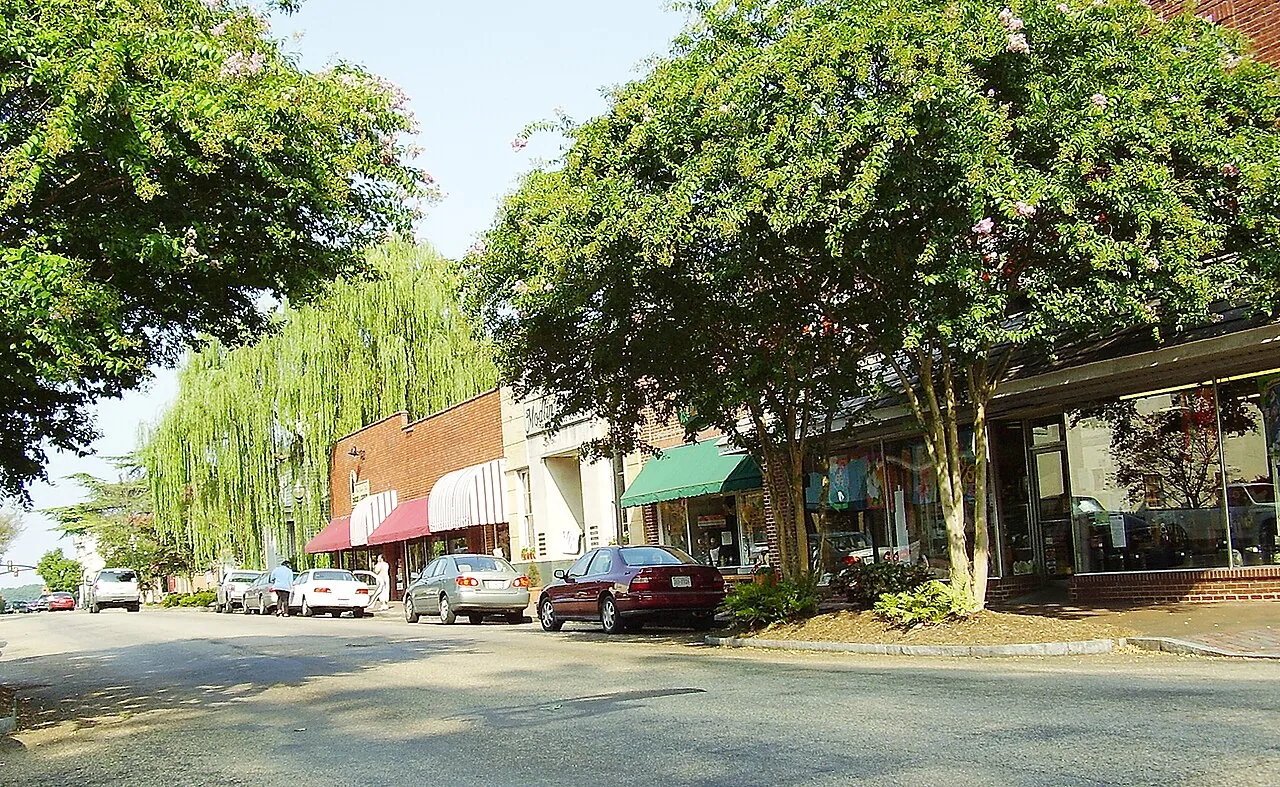
A leak call from the Denbigh-Warwick corridor begins with a location, a timeline, and what must remain operational below the roof. The corridor is a broad part of Newport News, not one building or a shared roof system. We ask where water appeared, when it was first noticed, and whether earlier work changed the condition. A commercial roof inspection then follows the report across seams, penetrations, drains, edges, and nearby interior evidence. For active water, a leak repair visit can prioritize containment while the crew documents the likely pathway. Hampton Roads has a coastal storm history, but regional exposure cannot diagnose an individual assembly. The written findings should distinguish visible evidence from questions that require testing. That distinction lets an asset manager choose a repair window, further investigation, or broader replacement review without assuming every roof along the corridor has the same condition.
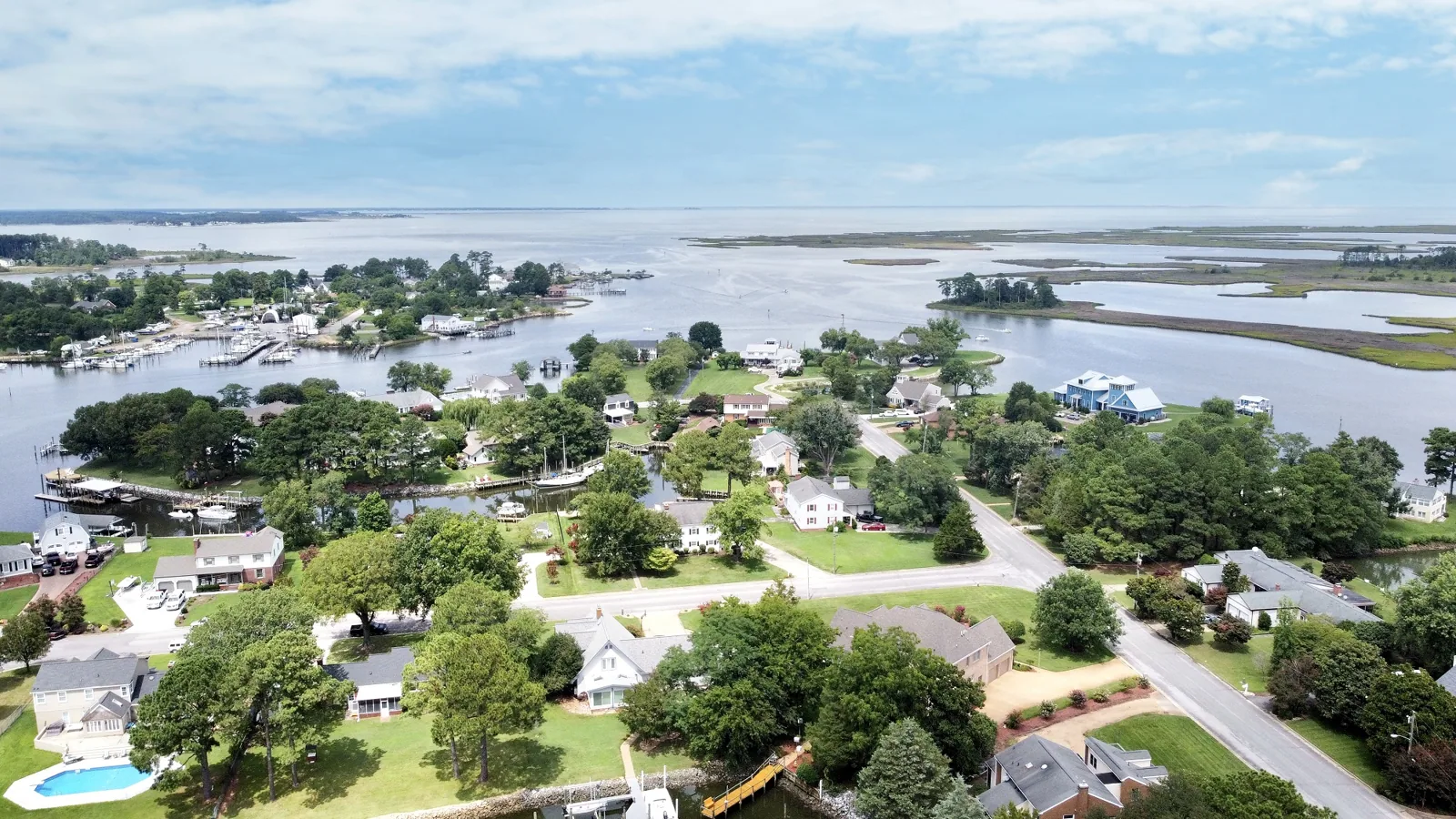
Start with the room, work area, or equipment below the reported roof section. Share when the symptom appeared, whether it followed a weather event, and whether it returns under similar conditions. A ceiling stain helps orient the roof walk, yet water can travel before it becomes visible indoors. The nearest drain or penetration is not automatically the source. We record what is reported separately from what the crew can verify.
At the roof, the inspection follows a practical sequence. We review the membrane or metal surface, seams, transitions, curbs, penetrations, drains, scuppers, and perimeter details. Photographs include context and a closer view so later reviewers can relate each item to the roof area. If access is restricted, the report names the limit and avoids presenting an unseen detail as confirmed. For a property manager coordinating several addresses, the condition report should identify the inspected property, observation date, and open questions.
When water is active, the first decision is whether temporary protection can reduce exposure while a permanent scope is prepared. That response depends on safe access, roof condition, weather, and the location of sensitive operations. Temporary protection is not a warranty of dryness, and it should not conceal the condition that needs review. The crew records where protection was placed and what remains exposed.
A recurring symptom may require a controlled test or a closer review of adjacent materials. A single patch can fail when the suspected entry point is wrong or the surrounding assembly is deteriorated. If the field record shows a discrete condition, a seam-failure repair scope can remain limited to the observed detail. If evidence is incomplete, the next useful step may be additional access or testing. We explain those choices in plain language, so the asset manager can approve investigation before approving a larger repair.
Isabel's 2003 Hampton Roads surge coincided with heavy rain and road flooding in central and southern Virginia. For a Denbigh-Warwick roof call, inspect the current assembly and document visible wind or water effects at the property before setting a repair scope.
After wind-driven rain or a coastal weather event, the inspection should capture current observations rather than rely on a regional summary. Note displaced edge material, open laps, damaged flashing, blocked drainage, and any interior condition the owner authorizes the crew to view. Keep dated photographs and identify where access was unavailable. This evidence helps compare the roof before and after later weather. Whether a building has a single-ply membrane or an exposed metal system, recommendations must follow the installed assembly, its details, and the manufacturer's requirements.
The corridor contains separate parcels and operating arrangements, so a citywide profile should not determine access assumptions for an individual roof. Confirm the actual building use with its property contact before setting a work plan. We ask who can authorize entry, whether an escort is required, and which areas need advance notice.
For occupied space, the plan should name entrances, staging limits, work hours, and any operations that cannot pause. Rooftop equipment may require a building representative or qualified technician before it can be approached. If a tenant occupies only part of a property, the manager can identify boundaries without sharing unnecessary personal information. The neighboring Newport News service area spans many separate properties, while Hampton's Hampton Roads Center business-park area has its own access contacts and site conditions. Each visit needs a current briefing, even when the same manager coordinates multiple locations.
A localized repair can be appropriate when the crew confirms a defined opening and the surrounding material can accept a compatible repair. The scope should identify preparation, transition details, and what will be checked after the repair. It should also state what remains outside that work area. A repair price should not imply that concealed moisture, unrelated seams, or every roof section has been evaluated.
When several defects appear together, compare their distribution with the age and observed condition of the assembly, if those records are available. A broader replacement review can document options without presuming that replacement is the only choice. For a recoverable system, the assessment should address drainage, insulation, attachment, perimeter conditions, and applicable code considerations. A coating or restoration assessment also depends on substrate condition and system compatibility. Findings should support the scope; a preferred material should not drive the inspection backward.
Roof work needs a window that fits weather, material requirements, access, and building operations. An asset manager can share a deadline, but the crew must confirm whether conditions support the proposed activity. If rain is forecast, a repair sequence may need to protect the exposed area first and return for permanent work when conditions permit. The schedule should distinguish those steps.
Confirm how deliveries will reach the property, where equipment can be staged, and whether a lift or escort changes the plan. Notify occupants about noise, restricted areas, or temporary access changes before work begins. If multiple roof sections are involved, identify them by a consistent map or photo reference. That reduces confusion when the team returns for follow-up. A preventive maintenance visit can establish a later observation interval, but its timing should reflect the documented condition and owner priorities rather than a generic calendar promise.
A useful closeout connects each recommendation to a field observation. The record can include the roof area, date, photographs, access limits, work performed, and any condition left for later review. If water was reported inside, keep the reported location distinct from the confirmed roof detail. That makes it easier to compare the original concern with the repair completed.
For a portfolio manager, consistent labels matter across properties. Identify each building and roof area by the owner’s property label so repairs and follow-up visits return to the same location. Separate completed work from recommended work and identify any assumptions that still need owner confirmation. If a later inspection finds a changed condition, dated records help determine what was new and what was previously documented. When a portfolio also includes Oyster Point and City Center, keep its roof history separate from the Denbigh-Warwick inspection. Each property’s approval, observed condition, and maintenance record should stay tied to its own building label.