Commercial roofing for Hampton and the Virginia Peninsula

Commercial roofing for Hampton and the Virginia Peninsula
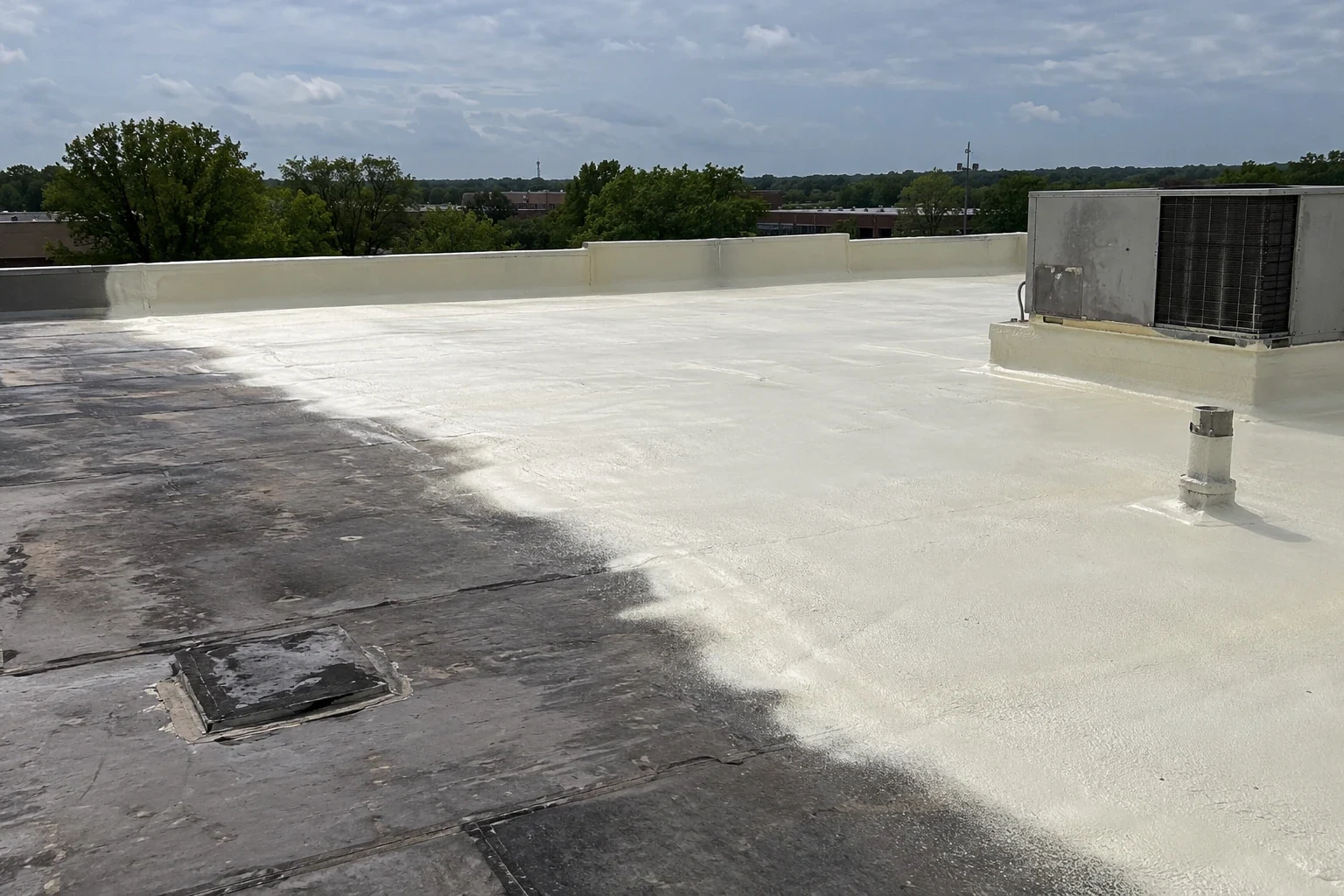
A silicone coating should be priced only after the roof beneath it passes inspection. We check the existing surface, seams, patches, flashing, drains, and moisture concerns before discussing restoration. A new film can cover a sound, prepared base; it cannot correct a wet deck, loose membrane, failed curb, or restricted drain without separate work.
Silicone is one coating option for certain roof assemblies. Product selection depends on substrate, existing materials, adhesion, drainage, application conditions, thickness, and maintenance. Hampton building owners should compare coating with repair and replacement using the same roof areas and documented assumptions.
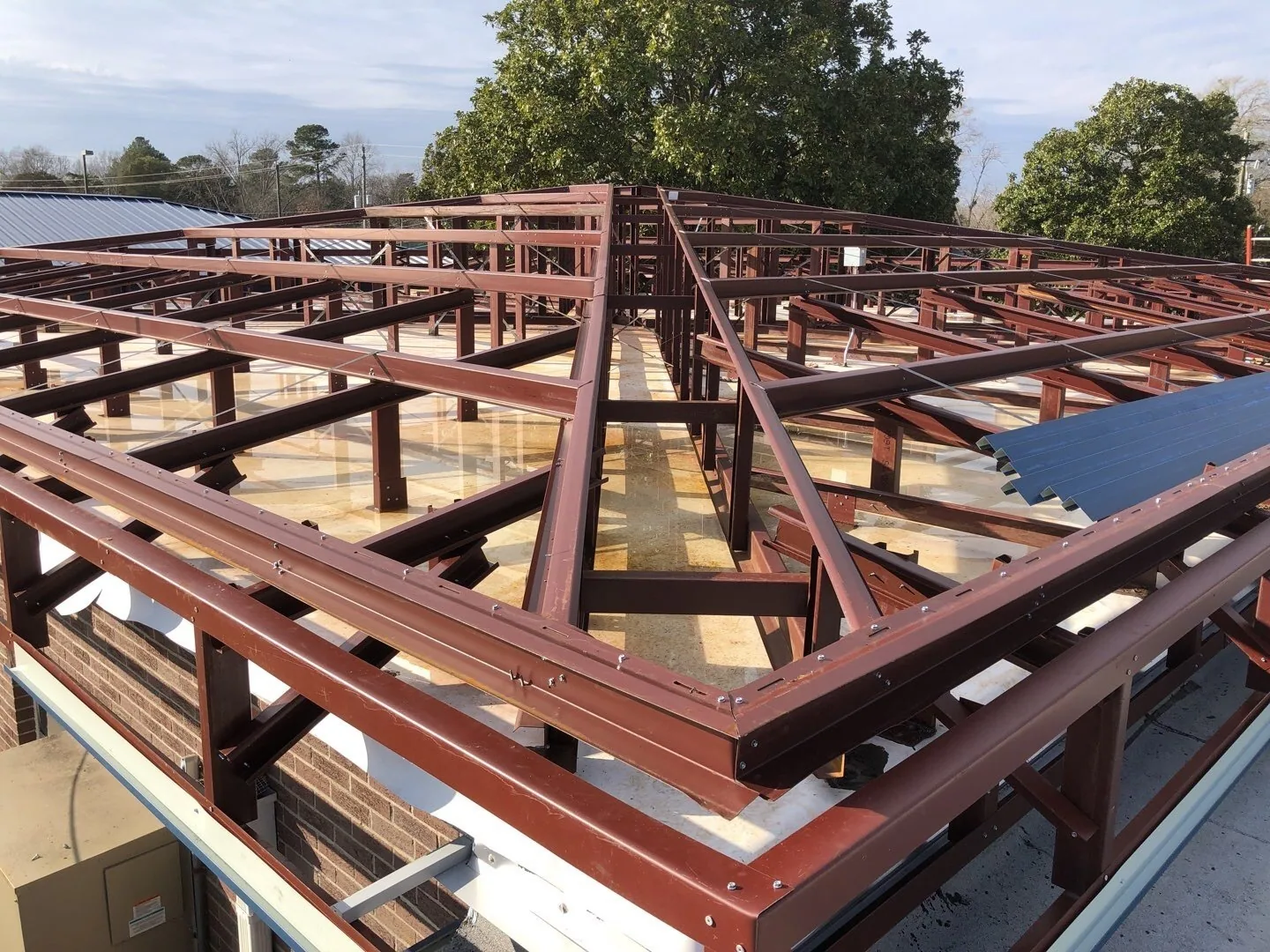
Map the roof into zones and record membrane type if known, previous coatings, surface wear, seams, edges, penetrations, equipment curbs, drains, and ponding. Note loose or blistered areas and any repair materials that may be incompatible with a new coating. If the original system is unknown, document that uncertainty before selecting a product.
Preparation often determines whether a coating proposal is viable. The inspection may identify cleaning needs, loose material, seam repairs, flashings, adhesion tests, or openings to assess moisture. Tests should use agreed locations and methods, with each patch restored. A coating sample on one accessible area cannot automatically represent every roof zone.
Water entry may originate beneath a coating or at a detail beyond the visible stain. Follow the drainage path and compare interior reports with seams, curbs, walls, and penetrations. A commercial roof inspection can sort observed conditions from questions that require further testing.
A coating restoration may fit a sound, dry roof where preparation and compatibility checks support the system. The design states product type, primer if required, reinforcement, application thickness, termination, and excluded areas. If insulation is wet, membrane has detached, or a deck concern exists, address those conditions before applying a surface coating.
Virginia's Uniform Statewide Building Code applies to repairs and renovations as well as new construction. The design professional should confirm relevant fire, wind, energy, and permit requirements with the authority having jurisdiction. Coating does not eliminate project review or prove that an existing roof meets current requirements.
Compare three paths. A localized repair addresses a specific seam, flashing, or puncture. A coating project includes defined preparation, repairs, test areas, and thickness checks. A replacement can expose deck and insulation but brings removal, disposal, and temporary protection. Estimate the same roof boundaries and identify how concealed moisture or substrate damage will be approved.
Downtown Hampton and Coliseum Central combine offices, retail space, medical services, and mixed-use buildings. Different building operations can affect access, preparation, odor controls, and work hours. Those district contexts guide planning questions; the site survey determines the property conditions.
Cleaning and coating work can affect rooftop units, intakes, skylights, walkway surfaces, drains, and adjacent walls. Identify equipment protection, air-intake controls, overspray limits, staging, and routes for crews. The owner should confirm any sensitive use below or beside the work before application begins.
Metal edges, parapets, curbs, pipes, and abandoned penetrations need compatible transitions. Define who repairs the flashing and how reinforcement will turn at the detail. If the coating stops at a curb, wall, or drain, the termination should be in the approved system details rather than left to field judgment.
Owners can compare a coating scope with spray polyurethane foam roofing when the existing base is SPF, or with a TPO roof replacement where broader assembly work is needed. A coating is not a membrane replacement by default. Include edge metal and gutter work where perimeter conditions require it.
Application requirements depend on product data and the conditions at the roof. Surface temperature, moisture, wind, dew, and forecast precipitation may affect preparation, adhesion, or cure. The contractor should state the manufacturer's limits, how the roof is checked before coating, and what happens if conditions change during a pass.
Low shoreline areas and tidal channels create coastal flood exposure for some Hampton Roads communities. Regional exposure does not establish the drainage or flood risk of one property. Review site elevation, emergency procedures, outlets, and equipment locations. A coating does not replace site drainage work or ensure that water leaves the roof.
Protect open test areas, repaired seams, and edges at the end of each shift. Keep drains clear during cleaning and application. The schedule should name who can pause work and how a completed area will be checked before crews leave.
A restoration estimate should state cleaning method, substrate preparation, repairs, primer, reinforcement, coating product, application thickness, number of passes, and termination details. It should also name areas excluded because adhesion or moisture checks did not support coating. A price per gallon alone does not define coverage or finished thickness.
Clarify how wet insulation, detached membrane, or damaged deck will be handled if found. Use a documented stop point and approval process. Compare a roof coating restoration with a commercial roof replacement only after the underlying roof has been evaluated.
Where outlets or ponding need design changes, separate drainage scope from the coating area. Include roof drain and scupper work if it is approved; coating should not be sold as a substitute for correcting an outlet or slope condition.
Before mobilization, agree on test areas, surface preparation, product submittals, safety controls, access, and inspection points. Photos can record the original surface, repaired areas, reinforcement, application sequence, and terminations. Keep thickness checks and weather notes with the daily report if they are part of the specification.
Closeout can include product details, test records, mapped work limits, applicable warranty papers, exclusions, and upkeep directions. Record any repairs that were deferred. That gives the next inspector a reference for coated zones and untreated transitions.
The commercial mix in Downtown Hampton and Coliseum Central spans office, retail, medical-service, and mixed-use properties. Those district contexts can prompt access questions; the survey must verify conditions at the property.
Follow product and warranty instructions for inspection and repairs. Review coating wear, exposed substrate, seams, flashing, drains, penetrations, and new trade work. Record locations and photos rather than applying additional material without confirming compatibility.
Keep water outlets clear and review new supports or cables before they penetrate the roof. If ponding remains, ask whether the condition is within the system design or needs a drainage evaluation. Coating thickness, repairs, and any added product should be recorded over time.
A preventive maintenance visit can identify follow-up items. For a broader record, a roof condition report can map coated areas and deferred work.