Commercial roofing for Hampton and the Virginia Peninsula

Commercial roofing for Hampton and the Virginia Peninsula
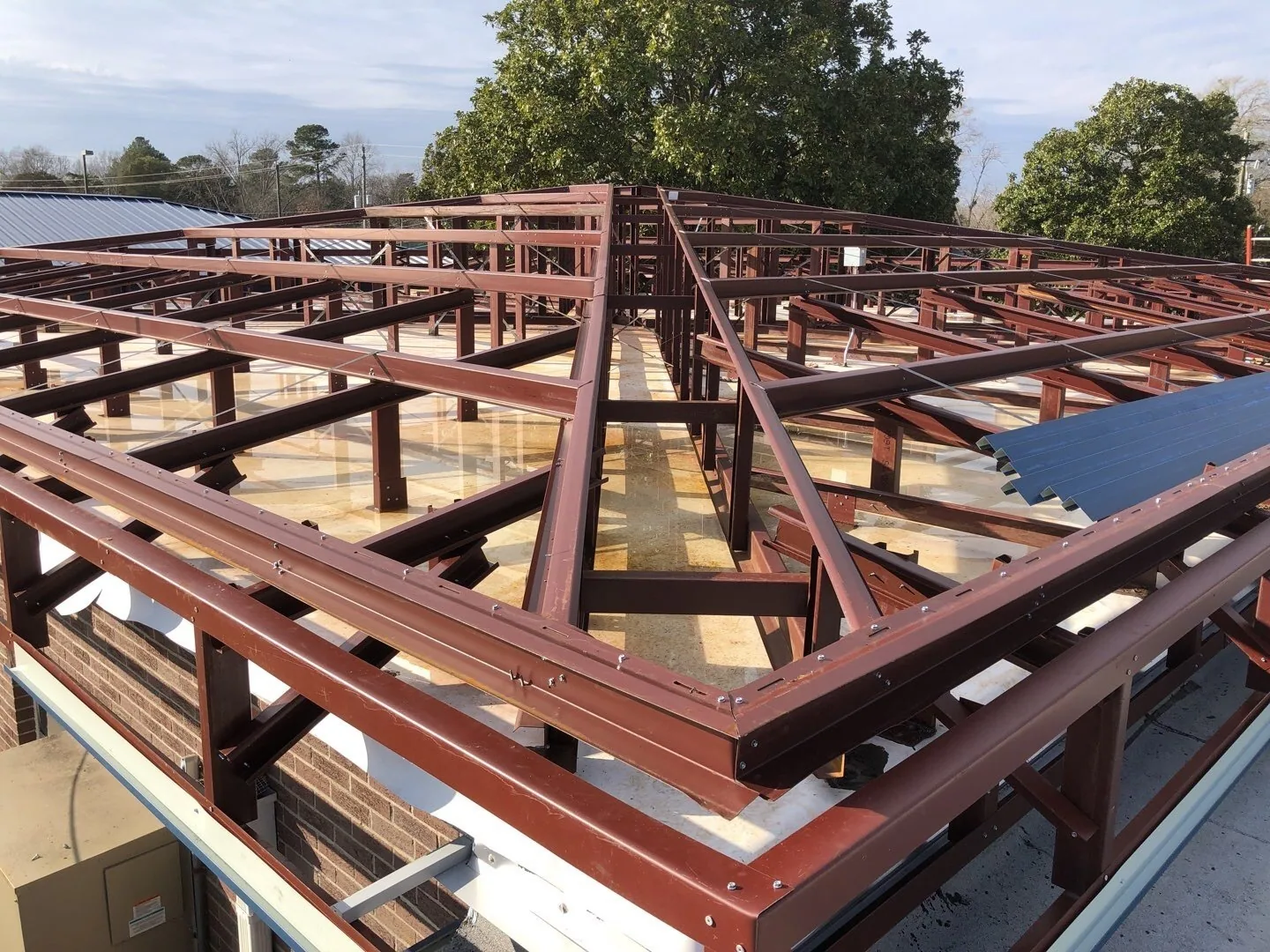
A foam roof with a worn coating needs an inspection before another layer is priced. We check the surface, foam profile, drainage, penetrations, and prior repairs to determine what remains sound and what requires removal. The coating protects the foam from exposure; it does not make a wet or detached substrate suitable for another application. A careful scope separates restoration from replacement.
Spray polyurethane foam, or SPF, is applied as a roof system with a protective coating or surfacing designed for the product. Its suitability depends on substrate, thickness, adhesion, slope, drainage, and maintenance. Hampton owners should evaluate the complete assembly and the building's operating requirements before choosing restoration or new construction.
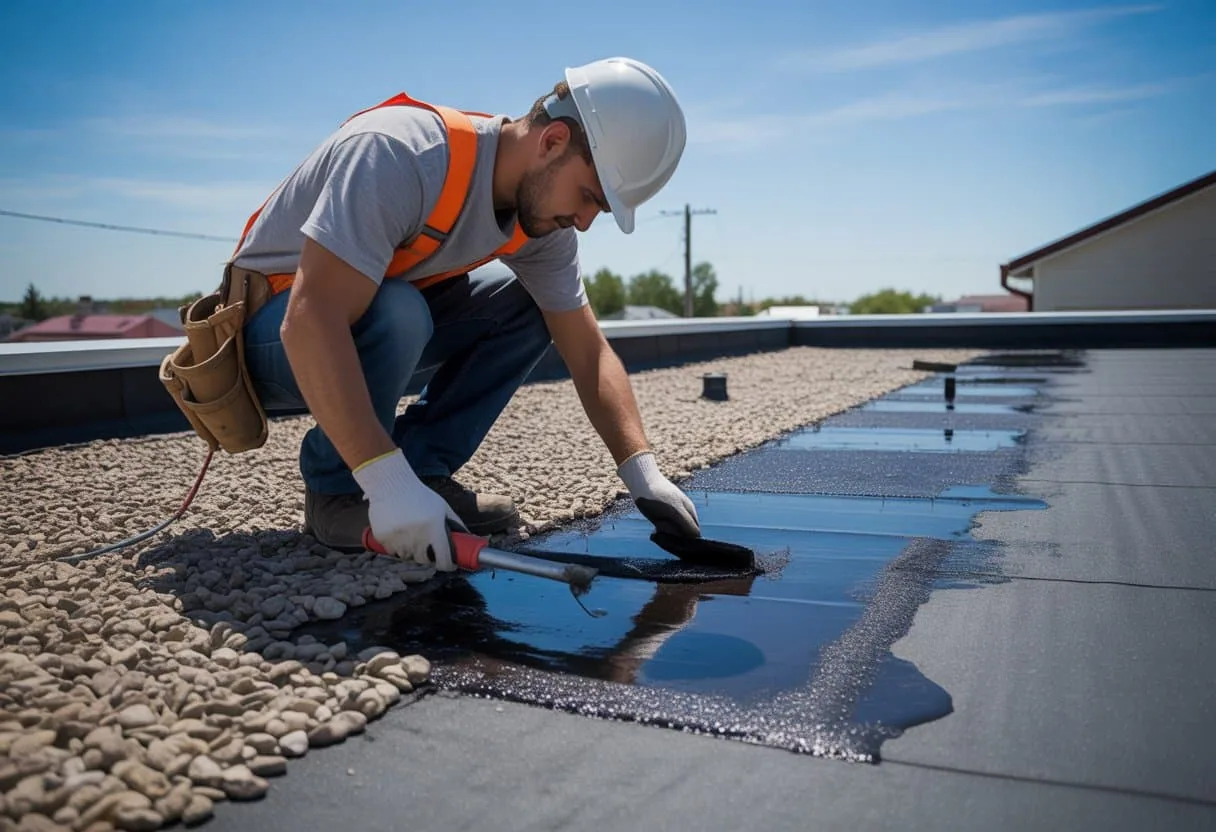
Map the roof into areas and record coating wear, blisters, cracks, open seams, ponding, soft spots, drains, penetrations, curbs, and edges. A change in coating appearance can indicate normal aging, a repair, or a condition beneath the surface. Our inspection records the location and extent instead of assuming a single cause.
Foam may be cut back in selected areas to examine thickness, adhesion, moisture, or the substrate. Those openings should be planned with the owner and restored using an approved detail. A test patch or adhesion assessment may be appropriate before a restoration bid, particularly where old coatings or repairs are present. Record the test method and limits so the result is not overstated.
Water entry at a curb or drain can spread beneath a coating and appear elsewhere inside. Compare leak reports with the roof's slope, repairs, and drainage path. If the field condition is unclear, use a commercial roof inspection to identify where further testing is useful.
A coating restoration is considered when the existing foam remains adhered and dry enough for the specified system. Loose or damaged foam, wet substrate, failed flashing, or a deck concern may require removal and a different assembly. The restoration design identifies cleaning, preparation, foam repair, reinforcement, coating type, application thickness, and termination details.
The Virginia Uniform Statewide Building Code covers work on existing buildings, including repair, renovation, and use changes. The project team should confirm permits and applicable fire, energy, and wind requirements with its design professional and local authority. Coating over an old roof does not remove the need for project-specific review.
Compare three paths: repair a localized defect, restore a serviceable field, or replace an unsuitable assembly. Restoration should include measurable surface preparation and repair quantities. Replacement may expose more of the deck and insulation but adds tear-off and weather protection. State the assumptions behind each price, including concealed moisture and how the owner approves changes.
Across Hampton’s business parks, activity spans office work, light manufacturing, warehousing, and distribution. Those broad uses can bring different staging and access needs, so we check each property’s roof and operating conditions before setting the work sequence.
SPF can follow changes in roof shape, but the details still require design. Curbs, parapets, drains, skylights, pipes, equipment supports, and wall transitions need reinforcement and coating terminations compatible with the system. Identify who handles equipment removal or protection and how the completed detail will be inspected.
Roof-mounted equipment may shade the surface, collect debris, or create difficult access for future coating. Document service clearances and establish a route for maintenance staff. Where the roof is occupied by frequent mechanical work, compare SPF restoration with a system that better fits the expected traffic and service needs.
For replacement alternatives, compare TPO roofing or modified-bitumen roofing by complete assembly, drainage, perimeter, insulation, and maintenance. Related details can include roof drains and scuppers and equipment support coordination.
Tidal-water inundation is a regional concern along Hampton Roads shorelines, so site elevations and water paths deserve review. We compare that regional context with the elevations, outlets, and equipment at the specific property. Review site elevation, drainage, critical equipment, and emergency planning with the owner. The roof inspection records outlets, low points, and water paths that may affect restoration.
Application conditions depend on product instructions and the substrate. Temperature, humidity, wind, dew, and precipitation may change whether foam or coating can be applied. The work plan states how long the surface needs to remain protected and when the crew will stop if conditions shift.
Hurricane Isabel brought heavy rain and high water to roads across central and southern Virginia in 2003. Historical context supports a practical preparedness discussion; it does not predict the behavior of any one roof. Keep drains clear and protect open details before leaving the site.
A restoration proposal lists cleaning method, removal of loose coating, foam repair, reinforcement, coating product, application thickness, and terminations. It identifies areas excluded because adhesion, moisture, or substrate condition did not pass review. A patch at one blister should not be presented as a roof-wide solution.
Replacement scope names tear-off depth, deck and insulation allowance, new assembly, perimeter, flashing, drainage, and tie-ins. State how hidden moisture or damage will be documented and approved. When comparing roof coating restoration and commercial roof replacement, align the covered areas and the building requirements each scope must meet.
Where a roof has ponding, separate drainage design from surface restoration. A coating can renew a specified surface but cannot correct an outlet elevation or site stormwater condition by itself. Price outlet improvements when they are within the approved project scope.
Before work, align the product submittal, preparation method, test areas, safety plan, access, and inspection hold points. During application, record substrate condition, repaired foam, reinforcement, coating passes, and specified thickness checks. If weather or field conditions change the method, obtain direction and keep the revised detail with the project file.
Turnover records can capture application tests, mapped limits, upkeep needs, and any applicable product or warranty documents. Identify repairs or areas that were not included in the restoration. This lets a later inspector distinguish coated field from untreated transition or deferred work.
Hampton’s heavier industrial uses cluster around Copeland Industrial Park and Bright’s Creek along the interstate. Before sequencing work in either broad area, confirm loading access, equipment clearances, staging space, and work-hour limits with the property contact.
Follow the product's maintenance guidance and the owner's roof-access rules. Inspect coating, repaired foam, flashing, drains, penetrations, and equipment supports. Record surface wear and the location of any exposed foam so the next visit can distinguish a small repair from a broader condition.
Keep outlets clear, remove debris using an approved method, and review new equipment work before another trade cuts or fastens through the roof. Track inspection dates, repairs, and coating additions. Do not assume that a previous coating remains compatible with every future product.
A preventive roof maintenance visit can document follow-up needs. For capital planning, a roof condition report can map the restored areas and open questions.