Commercial roofing for Hampton and the Virginia Peninsula

Commercial roofing for Hampton and the Virginia Peninsula
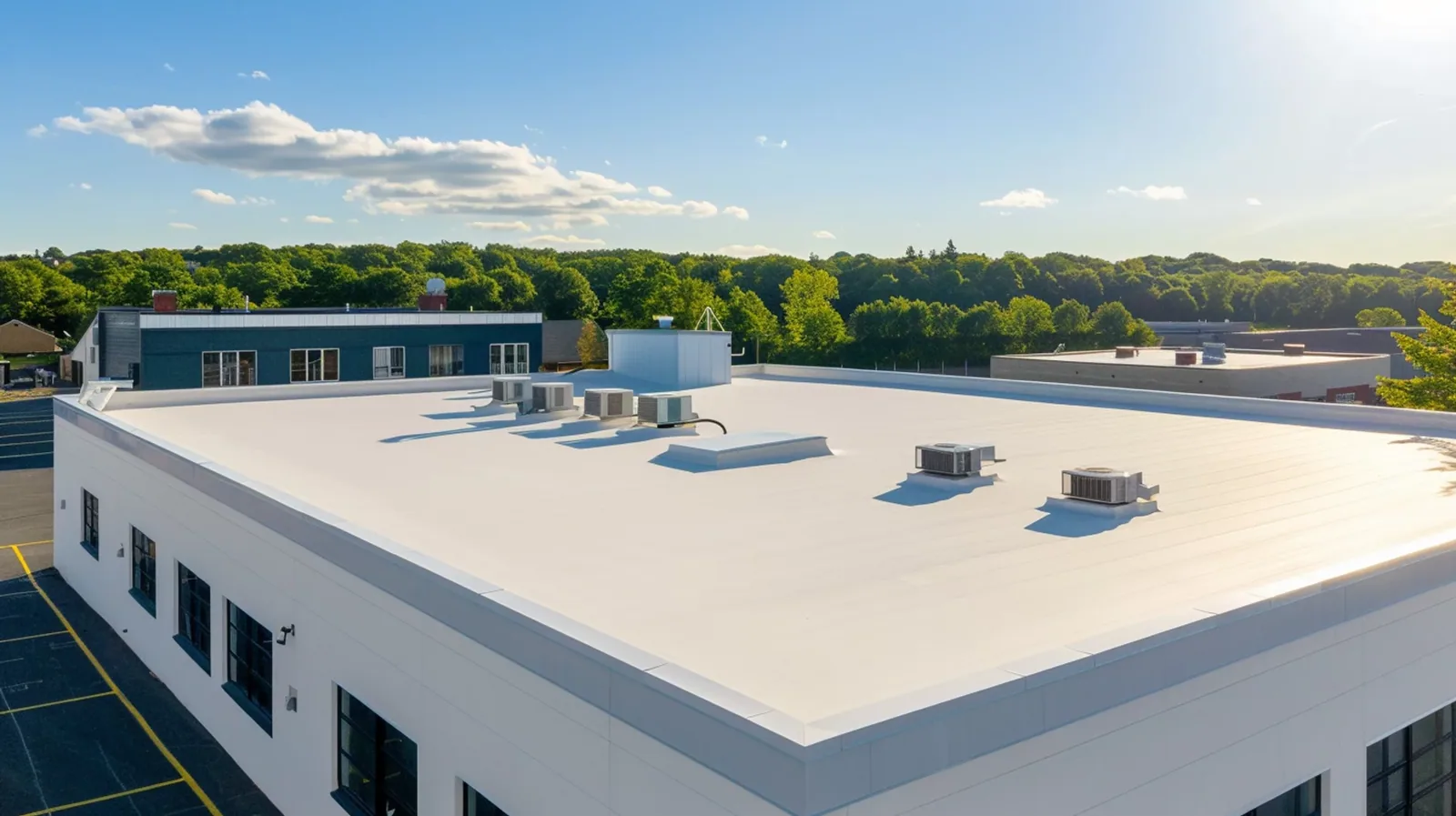
A clean roof surface does not prove that it is ready for acrylic coating. We inspect the existing membrane, prior repairs, seams, flashings, drains, and adhesion before pricing a restoration. The field record should identify what needs cleaning, what needs repair, and where the existing assembly may not accept another layer. That keeps surface work separate from a roof replacement decision.
Acrylic coatings are liquid-applied products considered for certain roof substrates and restoration scopes. The selected product, primer, reinforcement, thickness, and cure conditions must suit the existing system. Hampton owners should compare coating with repair or replacement using field findings, not reflectivity or a generic per-square-foot claim.
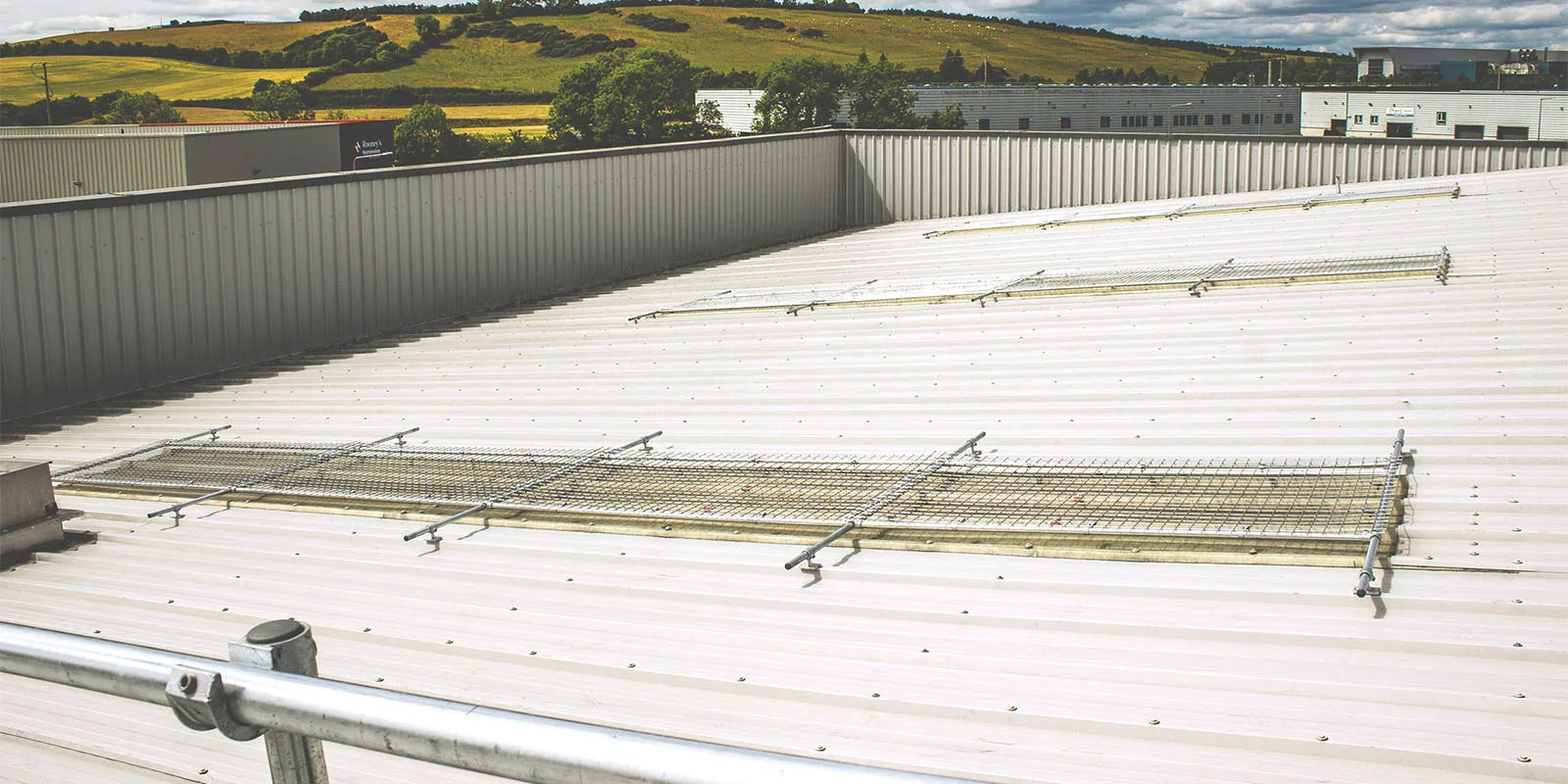
Map roof zones and record membrane type if known, previous coatings, seams, patches, flashing, penetrations, drains, ponding, and exposed substrate. Cleaning can reveal cracks or loose material that was difficult to see before washing. The inspection notes the base condition and any repairs needed before testing or application.
Adhesion checks may use a test area prepared with the proposed primer and coating. The scope should name the substrate, preparation method, cure period, and acceptance criteria. One test on an accessible corner may not represent another roof zone or an earlier patch material. If results differ, separate those areas rather than assuming a single product fits the whole roof.
Water entry can start at a seam, curb, wall, or drain and travel below the surface. Compare leak reports with roof slope, transitions, and interior observations. A commercial roof inspection can record which conditions are confirmed and which need additional testing.
Acrylic restoration is evaluated when the existing assembly remains suitable and testing supports adhesion. The specification names cleaning, primer, repairs, reinforcement, product, application thickness, passes, and termination details. Wet insulation, detached membrane, failed flashing, or a deck concern requires separate work; coating cannot correct those conditions by itself.
Virginia's Uniform Statewide Building Code applies to renovation and repair as well as new construction. Confirm applicable permits, fire, energy, and wind provisions with the design professional and authority having jurisdiction. The proposed coating system and substrate are part of that review.
Compare repair, coating, and replacement over the same boundaries. A repair addresses a defined defect. Restoration includes preparation, tests, base repairs, and thickness checks. Replacement may reveal more of the deck but involves tear-off, disposal, and temporary protection. State the assumptions for concealed conditions and the owner's approval point before scope expands.
Hampton's business-park inventory includes office, research, light-manufacturing, warehouse, and distribution uses. Those building activities can shape access, equipment protection, and work hours. The survey establishes the requirements for each roof rather than assuming the same schedule for every property.
Cleaning and application can affect rooftop equipment, intakes, skylights, adjacent walls, vehicles, and pedestrian areas. Identify water handling, protection, ventilation or air-intake controls, staging, and overspray limits before mobilization. The owner should identify sensitive operations and the contractor should show how they will be protected.
Curbs, parapets, drains, scuppers, pipes, and abandoned penetrations need compatible reinforcement and termination. Assign who repairs those details and how completed work will be inspected. Equipment may need temporary protection or a coordinated service window. Do not leave a transition to an unpriced field decision.
When comparing systems, review silicone coating or spray foam roofing based on the actual substrate and maintenance plan. A coating should not be assumed to suit heavy foot traffic or persistent water without product-specific support. Include outlet work when it belongs in the scope.
Product instructions govern substrate moisture, air and surface temperature, humidity, wind, and precipitation limits. The contractor should state how those conditions are checked and how work stops if a limit is reached. Coating over a damp or contaminated surface may change adhesion; the scope needs a defined preparation and verification method.
Some Hampton Roads communities sit near shorelines and tidal channels where coastal flooding is a planning concern. That regional exposure does not establish an individual roof's drainage or flood performance. Review site elevation, emergency planning, outlets, and critical equipment with the owner. A roof coating cannot resolve a site stormwater issue.
Protect test patches, repaired seams, open penetrations, and coating edges at shift end. Keep drains clear during washing and application, and verify the route water will take before leaving. The daily report can note weather, completed areas, and any section deferred for a better application window.
A proposal should state cleaning, loose-material removal, seam repairs, primer, reinforcement, coating type, thickness, number of passes, and terminations. Identify areas excluded because adhesion, moisture, or substrate checks do not support application. A gallon quantity alone does not establish finished coverage.
For replacement, list tear-off depth, deck and insulation allowance, new assembly, flashing, perimeter, drainage, and tie-ins. Explain how concealed damage will be documented and approved. Compare roof coating restoration with commercial roof replacement once the existing roof is assessed.
Surface restoration is not a substitute for drainage design. If water remains around an outlet, evaluate slope, sump, overflow, and site conditions. Price roof drain and scupper work as a separate detail when the owner authorizes it.
Before mobilization, align the product submittal, test protocol, preparation, safety plan, access, and inspection points. Photos can show the original surface, repairs, reinforcement, coating passes, and termination details. Keep thickness checks, weather conditions, and any failed test areas with the daily report.
At closeout, retain product data, test results, marked roof areas, warranty terms when applicable, exclusions, and maintenance instructions. Note deferred repairs and areas that were not coated. A later inspector can then distinguish the restoration from untreated flashing or an older patch.
Downtown Hampton and Coliseum Central combine commercial offices, medical services, retail, and mixed-use buildings. For properties in those broad districts, discuss equipment access and work hours with the facilities contact. The specific roof survey determines what protection and sequencing are needed.
Inspect the coating, seams, edges, penetrations, drains, and prior repairs on the owner's schedule and under product requirements. Record wear, exposed substrate, or separation by roof area. New material should not be applied until compatibility and preparation are checked.
Keep outlets clear and review cable, support, or equipment changes before another trade penetrates the surface. If a leak returns, trace the water path and review nearby flashing instead of adding coating at the stain alone. A dated log helps the next inspection avoid repeating an unverified repair.
A preventive roof maintenance visit can capture follow-up conditions. A roof condition report can map coated and untreated zones for capital planning.