Commercial roofing for Hampton and the Virginia Peninsula

Commercial roofing for Hampton and the Virginia Peninsula
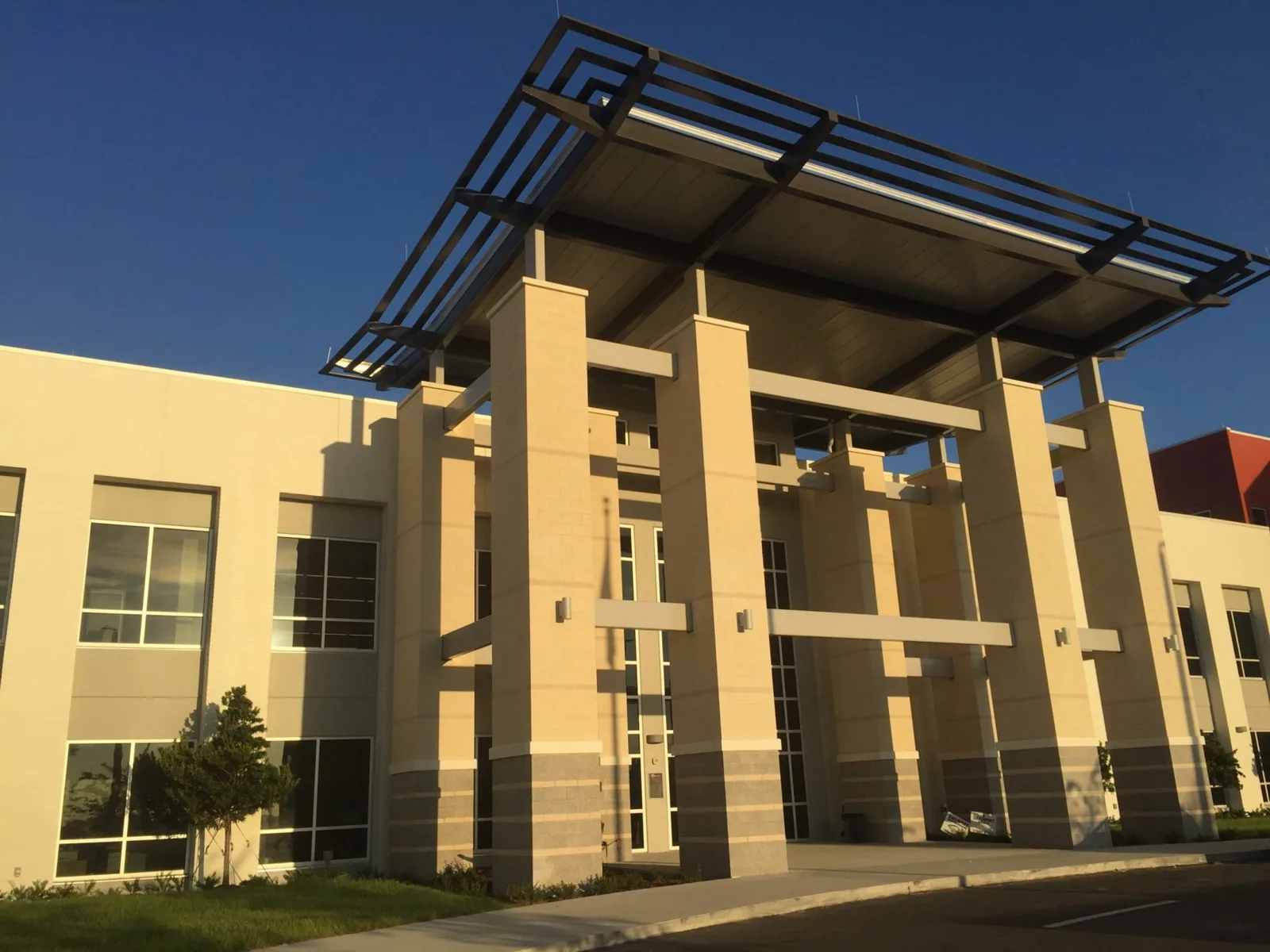
A roof leak over an occupied care area is first a containment and access problem, then a repair decision. We ask which room is affected, whether water remains active, what equipment or records sit below, and what route the crew can use. The roof walk checks seams, penetrations, drains, edge details, and nearby patches before we set the work boundary. Healthcare is among Hampton’s key industries, and medical-service buildings are part of Coliseum Central and Downtown Hampton. Those facts do not describe a particular building’s roof; they make a controlled, property-specific response essential. For an urgent condition, a commercial emergency roof response can start with temporary protection and a documented permanent-work plan.
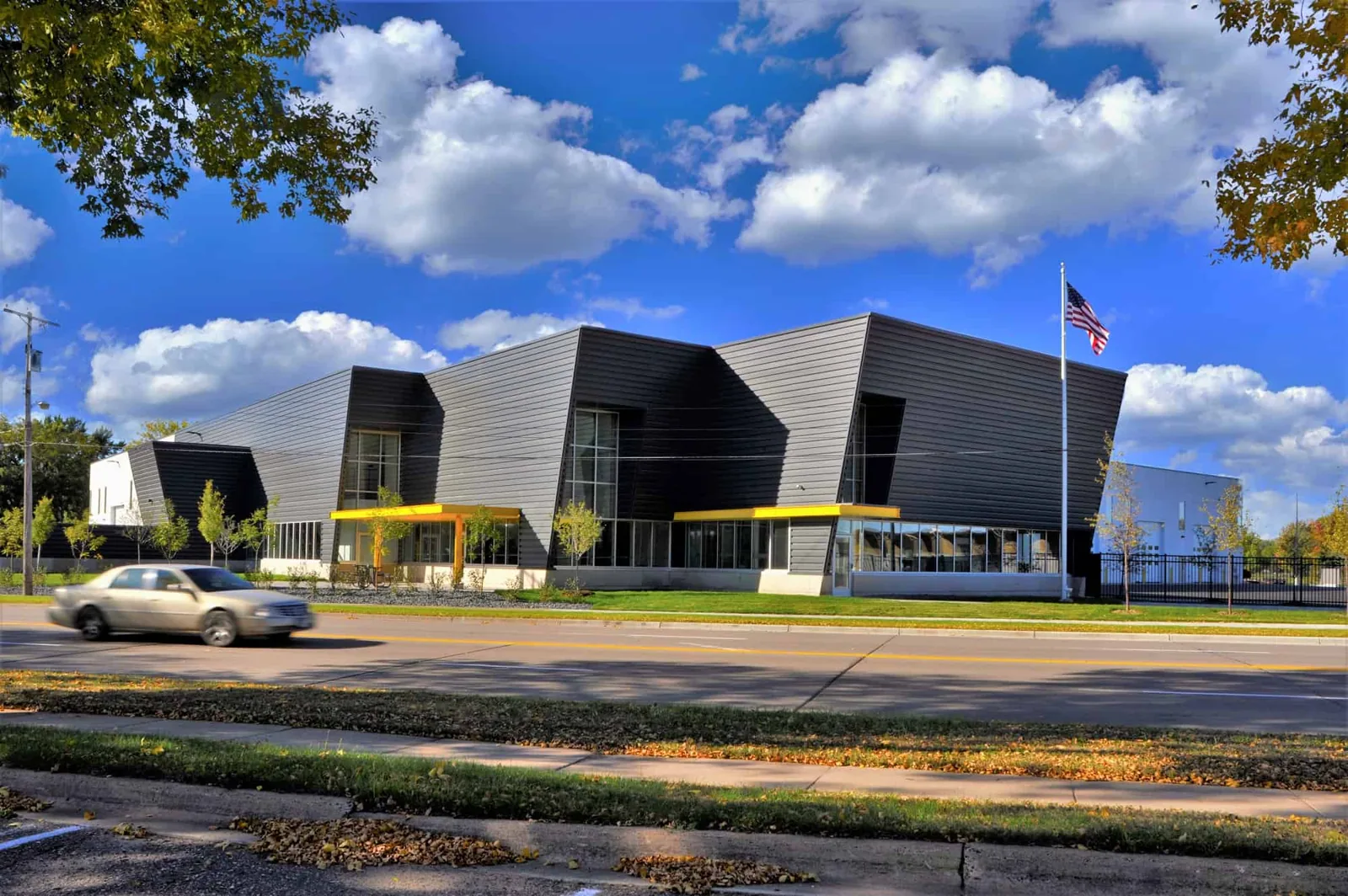
Water should be kept away from people, electrical areas, supplies, and sensitive equipment while the roof entry point is being investigated. We coordinate the room restrictions and access instructions with the facility representative, then inspect the roof area above and around the report. A stain, drip, or damp tile helps locate the problem but does not identify the failed seam or flashing by itself.
Temporary protection is selected for the observed condition and current weather. We record where it was placed, what remains exposed, and the next visit required for permanent work. If roof access must be delayed, that limitation is stated in the report rather than treated as an inspection result. Once the surface is safe to inspect, a leak repair assessment can distinguish a localized opening from a drainage or moisture issue affecting a wider area.
Healthcare buildings can have controlled entrances, scheduled deliveries, occupied treatment areas, rooftop air-handling equipment, and rooms that cannot be interrupted. Before the crew arrives, we confirm the approved access route, escort requirements supplied by the facility, roof hatch or ladder, equipment clearances, and work periods. Those details shape where material can be staged and whether a noisy removal task can proceed alongside normal operations.
We keep the work boundary clear and coordinate temporary limits around the area under repair. If a roof opening is required, the crew plans the sequence so removal, substrate review, and dry-in occur within the weather window. The facility representative can identify any room, intake, or operating condition that changes the sequence. An occupied-building roofing plan can separate the roofing steps from clinical and building operations, with decisions communicated before each section is opened.
We compare the reported interior location with seams, laps, pipe boots, curbs, drains, scuppers, parapets, and edge metal above. Water can travel before it appears, so the nearest roof detail is not automatically the source. Photographs and a marked location help the facilities team relate the condition to equipment, room use, and prior work orders.
When insulation may hold moisture, a closer evaluation can inform repair versus removal. A drone overview can show roof geometry and help plan access, while hands-on inspection remains necessary at details that require contact. A moisture survey may be useful when its findings can change the scope, and any suspect areas are confirmed through suitable field methods. We note which areas were viewed, which were not accessible, and what additional test is needed before recommending a larger repair.
Coastal flooding can reach businesses near Hampton's tidal waterways. On a healthcare roof visit, we trace drains, overflow points and perimeter transitions, then coordinate interior protection around the occupied areas identified by the facility contact. The warning is regional context, not a building-specific forecast. On a healthcare roof, we inspect the actual drainage path, drain bowls, strainers, scuppers, overflow provisions, and the perimeter transitions that can admit wind-driven rain.
In September 2003, Isabel brought storm surge to Hampton Roads, along with heavy rain and road high water across central and southern Virginia. That event does not establish a roof condition at any particular facility. After a storm, we document newly observed damage separately from existing wear, then prioritize active water and exposed interior areas. A storm repair scope should describe stabilization, permanent work, and any testing needed before a roof zone is closed.
A patch must bond or attach to the roof that is actually present. We identify the membrane or metal system from accessible evidence, check the condition around the defect, and detail the repair with compatible materials. At a curb or pipe, a patch that stops short of the transition may leave another entry path. At a seam, preparation and weld or adhesive method depend on the system and field conditions.
If the roof has recurring leaks or widespread deterioration, repeated spot repairs may not solve the operating issue. We explain whether a localized repair, broader replacement, or moisture investigation fits the findings. A TPO roof repair requires attention to the existing membrane, seam condition, substrate, and detail geometry. Where the assembly cannot be confirmed, we state the uncertainty and avoid proposing a system-specific fix until the necessary inspection is complete.
A concise report identifies the roof area, observed defect, photographs, temporary protection, completed repair, and unresolved condition. The facility can coordinate property management roof records with its work orders. The facility can keep that record with the work order and compare it with later observations. If a claim is being considered, we document roof findings and the scope of roofing work without deciding coverage or attributing every condition to a single event.
Coliseum Central and Downtown Hampton also include medical-service properties among office, retail, and mixed-use buildings. Local building categories are useful context, but the condition report remains attached to the facility and roof zone inspected. We can provide a insurance restoration record with photos, repair scope, and relevant conditions observed during the visit. The owner and insurer determine policy questions; the roofing file should stay specific about what the crew saw and performed.
Once the defect is defined, we set a permanent-work window that accounts for access, rain exposure, cure or weld conditions, and the facility’s operating schedule. The manager receives the proposed sequence and any room restrictions before the crew returns. Where the weather prevents a complete repair, temporary protection and the next scheduled action are recorded so the open item does not disappear between shifts.
Preventive checks can keep drains, flashings, and previous repair areas visible in the facility record. We document debris, open seams, standing water, or changes around equipment and assign a next step to each material finding. A maintenance visit can combine that roof review with a photo record and prioritized repair list. For sites serving Coliseum Central, the scope remains based on the individual facility’s roof, access plan, and work needs.