Commercial roofing for Hampton and the Virginia Peninsula

Commercial roofing for Hampton and the Virginia Peninsula
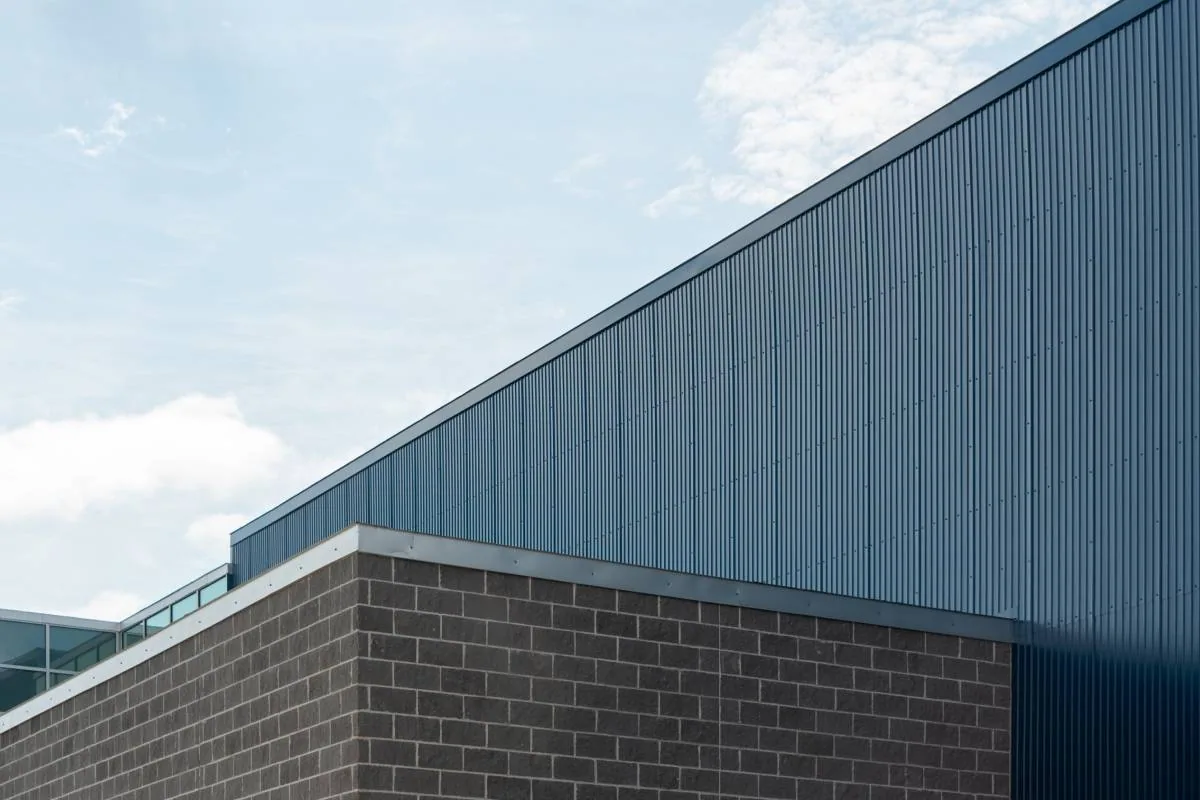
After a hurricane, the first roof visit should separate active water, exposed openings, displaced components, and conditions that can wait for testing. We ask where water appeared, whether it is still entering, what rooms or equipment are below, and which parts of the building are safe to access. The crew photographs seams, edges, flashing, drains, and visible interior conditions before setting a repair boundary. In September 2003, Isabel brought storm surge to Hampton Roads, while heavy rain raised water on roads across central and southern Virginia. Those regional impacts do not establish what occurred at an individual property. A current roof walk remains necessary before repair decisions. A storm-damage roof assessment can document current conditions and plan temporary protection or permanent repair.
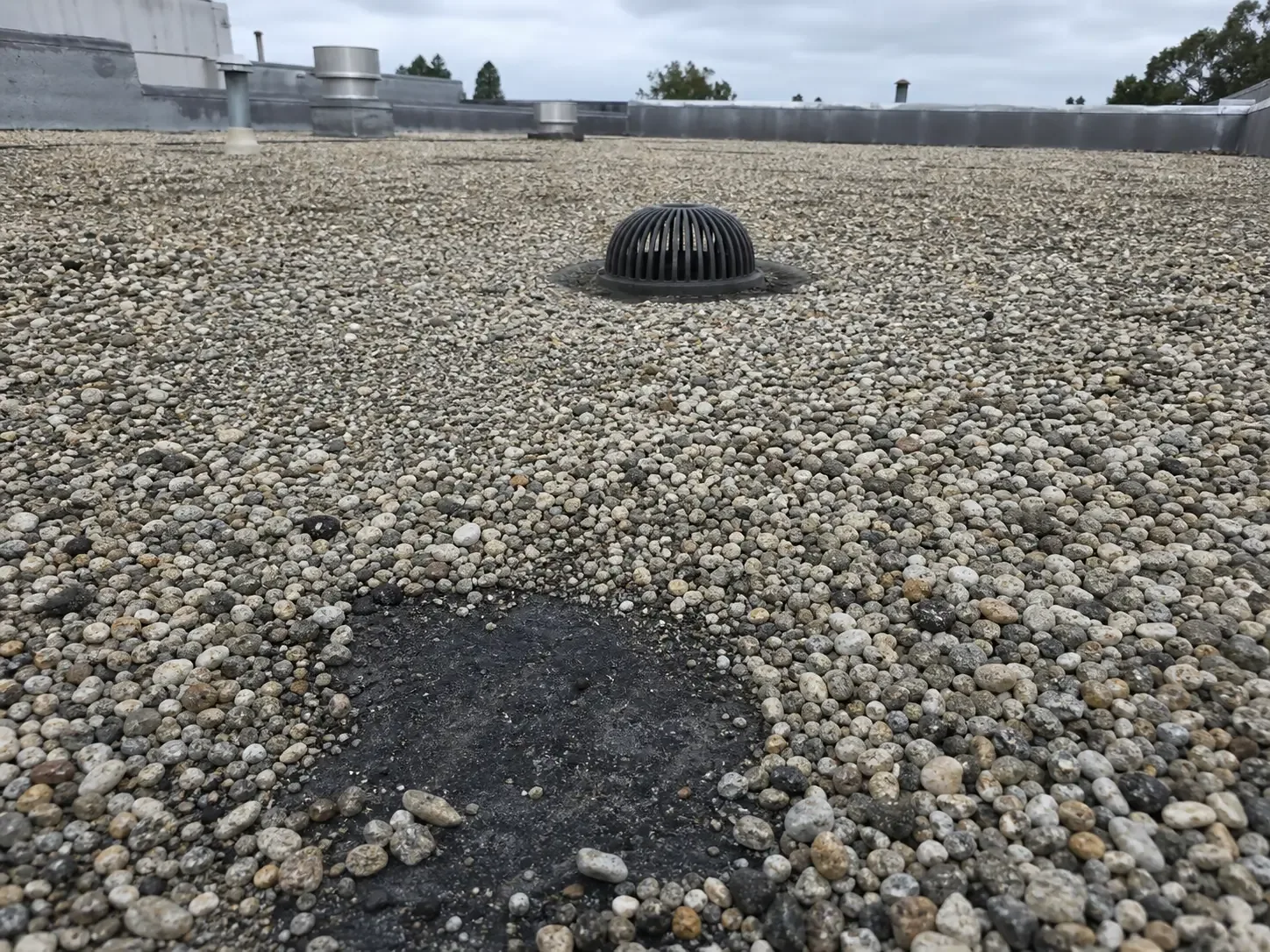
When water is moving into an occupied building, we identify the affected area and help the site contact prioritize protection for people, equipment, inventory, and electrical spaces. Roof access follows the property’s safety instructions and the weather conditions. Temporary dry-in may be appropriate while the crew waits for a safe inspection or a suitable repair window. Its location and limits are recorded for follow-up.
The first visit separates emergency stabilization from permanent repair. We photograph the roof opening and nearby details that could admit water, then record the accessible areas. A ceiling mark alone does not establish the roof entry point or extent of moisture. An emergency roofing response can state what was protected, which condition remains open, and what the next inspection needs to verify.
Wind can affect edges, caps, seams, and rooftop equipment details. Heavy rain can expose a drainage restriction or an existing opening. Coastal flooding is a separate site condition and does not establish the status of the roof membrane. We inspect the specific roof area and describe each observed condition rather than group every post-storm report under one cause.
Low-lying areas near Hampton Roads tidal waterways can face two to three feet of inundation; the reported roof condition still guides the repair. That warning is not a forecast for a specific building. We check actual drains, scuppers, overflow routes, flashings, and edge details. A roof inspection can map those findings and identify whether moisture testing or selective removal would change the scope.
Downtown Hampton, Phoebus, and Buckroe are within a watershed-level resilience planning area completed in October 2023. Northeastern Hampton neighborhoods face tidal flooding, low elevations, coastal proximity, and long nor’easters. Current roof conditions still need a site-specific inspection. Those plans describe public risk and planning areas. They do not state that a roof at a particular address has been damaged. We use the property’s actual condition and access plan to set the roofing work.
Commercial districts in Coliseum Central and Downtown Hampton span office and retail uses, medical-service buildings, and mixed-use properties. The owner identifies the asset for a visit, and our field log ties observations to that roof rather than inferring performance from district land use. A Downtown Hampton roof visit follows the access and details confirmed on site.
At the perimeter, we inspect edge metal, coping, terminations, and visible fastening. On the field membrane, we look for open seams, lifted corners, punctures, and displaced patches. Curbs, pipes, skylights, and equipment supports are checked where they relate to the report. The scope distinguishes a loose component from a condition that leaves the deck or interior exposed.
If the opening is at a seam, we assess its full visible length and check the adjoining material. A lifted edge may require secure attachment and compatible flashing rather than a surface patch. A wind damage repair review documents edge and field conditions, while a separate flashing inspection follows an open transition. Each finding gets its own location and recommendation.
For each exposed edge, mark its start and end, then note adjacent fasteners, coping, and flashing condition. That record helps separate securement work from a transition repair.
Rainwater can pool near an obstructed drain or enter at a flashing that was already open. We check the drainage route, strainers, scuppers, overflow provisions, low areas, and the roof details near the reported interior water. If the property has ground-level flooding, that condition is documented separately from roof observations and coordinated with the owner’s site team.
Tidal flooding can affect low properties near Hampton Roads shorelines and waterways. That regional exposure informs post-storm access and runoff discussions only; it cannot identify a leak in a particular roof. We trace the opening, document the water path, and identify any condition that needs further testing. A ponding-water review can address drainage separately from damage at the edge.
The repair scope identifies the affected roof zone, materials, preparation, flashing, edge work, temporary protection, access requirements, and the weather conditions needed to close the assembly. If removal reveals concealed wet insulation or damaged deck, we document that finding and request direction before expanding the work. The owner can then review the added work separately from the initial stabilization.
Some roof areas may support localized repair while another requires moisture testing or replacement planning. We compare the field findings, existing assembly, and repair history before recommending a broader scope. A commercial roof repair proposal states what is included, while a roof condition record can provide photographs and work details without deciding coverage or reimbursement. Timing depends on how much roof must be opened, the material available, the condition of the substrate, and the weather window needed to close each section. We state those factors with the proposed sequence so the owner can distinguish an urgent dry-in from work that can be phased later. Where multiple roof areas are affected, each is identified and photographed separately. The work plan names where temporary protection remains, what access the crew needs, and which owner decision is required before a concealed condition is corrected. That record gives building staff a concrete update to share with operations and the next reviewer.
After work, we photograph the repaired details and list any area still under observation. The record lists temporary measures removed or retained, open testing, and the next access needed. We map completed roof work to the reported interior area. This gives facility staff a clear handoff between the storm call, the permanent roofing work, and later maintenance.
Hurricane Isabel’s Hampton Roads history may be relevant to a property’s records, but it does not determine a current claim or condition. The owner can compare the field record with prior inspections and direct a follow-up where evidence is incomplete. A preventive roof visit can revisit drains, edges, and seams after repair, with each task tied to the actual building and roof area.