Commercial roofing for Hampton and the Virginia Peninsula

Commercial roofing for Hampton and the Virginia Peninsula
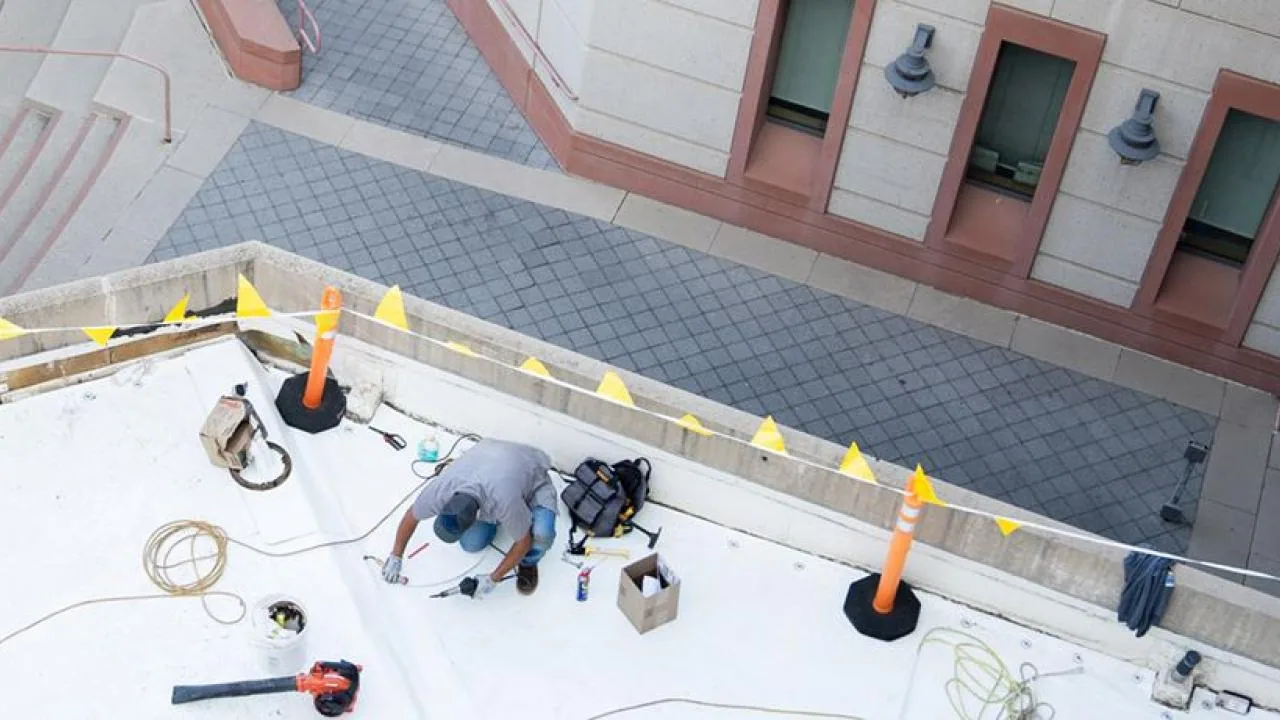
Warranty files often list dates and exclusions without showing what a facilities manager should do next. We help owners organize available roof documents beside inspection findings, repair records, and upcoming maintenance needs. The file should identify the covered assembly, term, notice process, and any documents that remain missing. We do not interpret a agreement as a promise that every future condition will be covered. In Hampton, VA, a roof record is most useful when it keeps the paperwork tied to the property and the condition actually observed. A condition report can provide that field context.
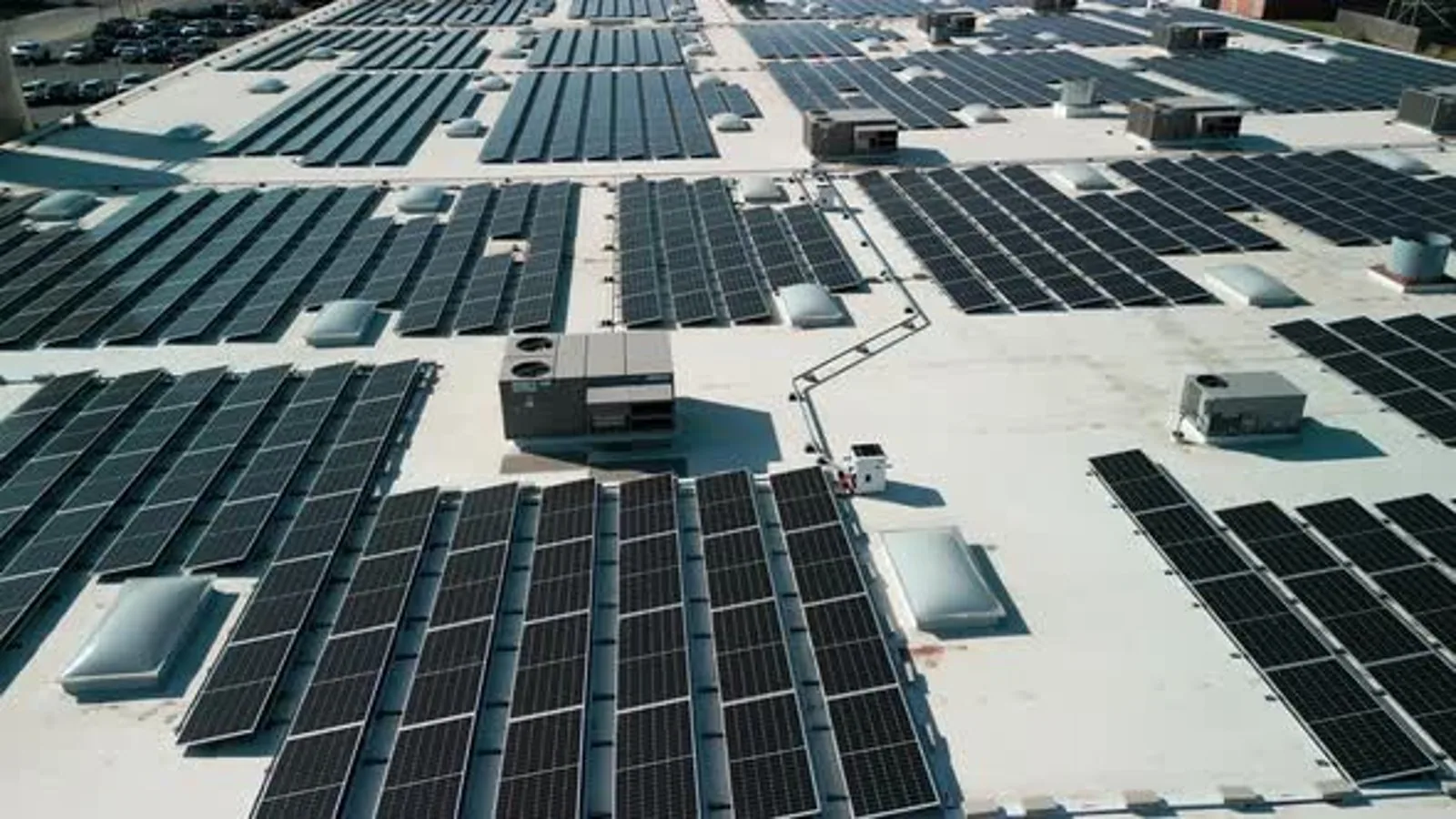
Start with the executed warranty, amendments, closeout package, roof plans, approved repair records, and any required inspection forms. Record the issuing party, covered system, effective date, expiration date, notice address, and process stated in the documents. If a file is incomplete, record the gap and request the missing item from the owner, installer, or manufacturer. We keep an index of what was received rather than filling gaps from assumptions.
Where multiple buildings sit in a portfolio, make a distinct file for each assembly and roof zone. Similar construction dates do not prove that two buildings have the same membrane, installer, or warranty terms. A roof asset register can connect warranty files with building records, service history, and the location of related photographs.
Some documents describe inspection or maintenance steps, reporting intervals, or restrictions on work. We read the available language with the owner, identify questions that need the manufacturer’s answer, and schedule field work only after confirming access and scope. The contractor records areas inspected, visible conditions, photographs, and items that could not be reached. A roof walk does not replace a required notice or a formal manufacturer review.
Office and medical-service buildings appear with retail and mixed-use properties in plans for Coliseum Central and Downtown Hampton. That describes the range of the local market, not the assemblies at any particular property. Inspection records should therefore identify each building’s confirmed system and the maintenance tasks supported by its own file. A commercial inspection can provide a dated field record for that review.
Before changing a roof detail, compare the proposed work with the available warranty language and ask the issuing party about approval requirements when the document calls for it. The request should identify the observed condition, location, photographs, proposed repair method, and schedule. Keep the response with the work file. If water is active, temporary protection may be needed while the approval question is resolved, but it should be documented separately from permanent work.
After authorized repairs, retain the scope, materials recorded by the crew, photographs, completion date, and any follow-up recommendation. A commercial roof repair should address a defined condition and avoid extending beyond the approved scope without a new decision. If a leak is reported, the location and interior impact help establish a first visit, not a finding about warranty responsibility.
Across Hampton’s named parks, the mix includes offices, flex offices, office, light manufacturing, warehouses, and distribution facilities. Heavier industrial activity clusters around Copeland Industrial Park and Bright’s Creek by the interstate. These broad facts help a manager think about access and operating schedules, but the property file must carry its own drawings and maintenance history. We do not transfer a warranty detail from one Hampton building to another.
Interstates 64 and 664 converge beside Copeland Industrial Park, and the city records some rail access within the park. For service planning, the Copeland Industrial Park area is a multi-property district rather than a single roof target. We coordinate access with the site contact, then record findings against the building and roof area inspected.
A calendar entry should include the date, required recipient, method, supporting documents, and the person responsible for sending notice. The warranty document controls those details. We can prepare field observations and repair records, while the owner or its adviser confirms the warranty language and submits any required notice. A reminder alone does not satisfy a notice clause.
When a reported condition might require prompt action, collect the initial date, weather or event information available, interior report, photographs, and steps taken to protect operations. Preserve the sequence without presenting a cause that has not been established. A wind-damage inspection can document visible changes after a storm, while any warranty position remains subject to the applicable documents and review.
Before a term ends, the owner may want a current inspection, a list of completed repairs, open maintenance items, and copies of required reports. We compare what is in the file with what the site contact can verify. Missing closeout documents, unclear roof-system names, or an unresolved leak become explicit follow-up items. This review helps the manager decide whom to contact and what records to request; it does not extend or renew a agreement.
If moisture or concealed damage could change a repair boundary, testing may be appropriate before pricing a larger project. An infrared moisture survey is one possible diagnostic service when conditions suit the method. The findings and its limits should be kept with the warranty file, together with any written guidance received from the issuing party.
A portfolio summary can show which roofs have a current document, an approaching deadline, or an outstanding information request. It should not assign the same status to every building because one owner holds several similar properties. We keep warranty fields, inspection status, repair history, and operating concerns distinct. A manager can then prioritize follow-up by the deadlines that actually appear in each file.
For larger projects, the capital planning process may compare repair, testing, and replacement decisions while keeping warranty documents as one input. A separate due-diligence survey can organize available records during a transaction. In both cases, the report names what was reviewed and what remains unverified, so the portfolio summary does not overstate the available evidence.
When an owner receives a new service record, add it to the same building file with the date, roof zone, photographs, work authorization, and closeout record. Keep correspondence with the party named in the warranty separate from the contractor’s observations. If the documents require a particular form or response window, identify that requirement from the document itself and confirm the current process with its issuer. This simple separation helps a reviewer see which information is written, which is a field observation, and which item still needs an answer. It also prevents an estimate or inspection record from being mistaken for an approved scope.