Commercial roofing for Hampton and the Virginia Peninsula

Commercial roofing for Hampton and the Virginia Peninsula
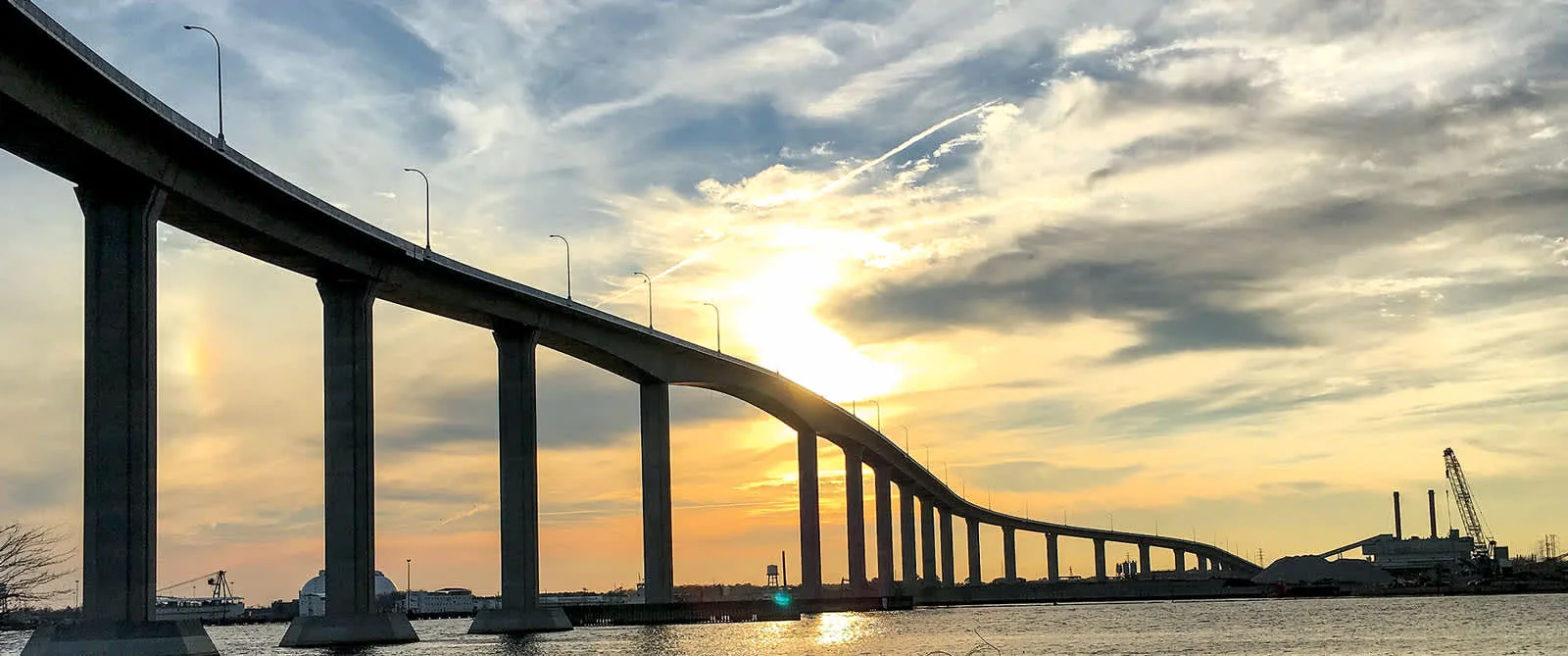
A roof drain near the Hampton River can deserve attention before water reaches an interior ceiling. The first call should describe the roof area, the time the symptom appeared, and whether water was also observed at ground level. Downtown Hampton sits on the Hampton River at the mouth of Hampton Roads Harbor and includes small and Class A office buildings. That setting calls for a clear distinction between roof entry, drainage, and water moving from outside the building. We inspect the membrane or metal assembly, seams, wall transitions, penetrations, outlets, and perimeter details, then record what is visible. A commercial roof inspection can help trace an uncertain path; an active opening may need leak repair first. Hampton’s Newmarket Creek Water Plan recommends resilience projects for the watershed; keep those drainage records distinct from each building’s roof file. Findings for this waterfront district stay attached to the roof we walked.
Begin with the interior evidence: where water appeared, when it was last seen, and what room or equipment sits beneath it. A stain can remain after the roof is dry, while an intermittent drip can follow framing away from its entry point. We use the report to choose a safe roof route and identify any interior view that is useful. The visit does not treat a waterfront setting as proof that a particular roof has failed.
On the roof, we inspect seams, flashing at walls and curbs, penetrations, drains, scuppers, edge metal, and any previous repairs. We follow the drainage direction and note standing water or obstruction without assuming that either caused the reported leak. If the roof evidence does not match the interior symptom, we record the gap and identify a test or follow-up that could help. Photographs show both the close detail and enough surrounding area to locate it later. That record lets an owner compare observations without mistaking an old patch for a new defect.
Hurricane Isabel reached Hampton Roads in September 2003 with major storm surge, heavy rain, and high water on roads across central and southern Virginia. For a waterfront roof report, place the symptom on a timeline alongside rainfall and tide conditions; then inspect the roof and nearby site drainage. Keep those observations separate from plumbing and roof-entry possibilities until inspection connects them to the reported leak.
If water reached the building from outside, a roof patch may not address its route. If a seam, flashing, or penetration is open, that detail needs a roof repair plan. We record which condition is supported and what cannot be confirmed from the available access. The visit should log the roof area, observed outlet condition, overflow path, and whether debris or a disconnected downspout changes the route. If work needs a lift or water test, confirm staging and owner approval before mobilization. Where active water threatens occupied space, the crew discusses safe temporary protection and a permanent repair window. A wind-damage inspection checks visible movement at attachments, perimeter details, and seams, then records the affected roof areas and the repair window.
Downtown Hampton includes small and Class A office buildings. A roof visit should still reflect the building contact's instructions, not a general label. We ask which entrance is approved, whether an escort is needed, what rooms require notice, and where tools may be staged. If staff or tenants must continue using areas below the work, we define the boundary before opening a roof detail.
For a multi-building owner, keep the roof history for this district separate from Downtown Hampton or the Newmarket Creek area. Keep each roof’s inspection history and work schedule tied to its own property record. The manager can also identify noise restrictions, equipment that must stay energized, and work periods that do not conflict with business hours. We confirm those details before dispatch, then document any limits that prevented a complete view.
A defined opening with sound adjacent material can support a localized repair. We prepare the surface, check the surrounding membrane or metal, and make a compatible connection at the failed detail. If insulation or deck material is wet, the scope may need to include more than the visible opening. We explain that distinction before the owner approves work, because the repair boundary affects both timing and materials.
When several details show wear or repeat repairs, a broader evaluation may be more useful. A replacement review compares repair with recover or renewal based on the assembly, drainage, insulation, deck, and edge conditions. If an outlet is part of the evidence, a drainage review can address that component alongside the roof surface. A written condition record should identify which option is supported and what follow-up could change the decision. We avoid selecting a coating or membrane system before the existing roof has been understood.
A temporary measure may reduce exposure while a permanent repair awaits dry conditions or additional inspection. We specify its purpose, limits, and follow-up date. The manager can tell us when rooms below are occupied, whether access requires notice, and what operational deadline makes the roof concern urgent. That information helps the crew prepare a practical work window without promising that weather or building operations will cooperate.
Some repairs can be completed after a focused roof walk; others need a moisture check, test opening, or review of a wider area. We separate confirmed work from items that depend on new evidence. If drainage conditions change after an outlet is cleared, the owner may want a return observation before closing the issue. The schedule should show these dependencies in plain terms. That makes it easier for property staff to coordinate access and communicate whether the next step is containment, a permanent repair, or continued monitoring.
Hampton has separate East and West Hampton River watershed studies, along with a Newmarket Creek Water Plan that recommends resilience work tied to stormwater and neighborhood infrastructure. During a roof visit, we compare drains, overflow paths, and roof observations with the surrounding drainage route, keeping each finding tied to the right location.
We label photographs by roof area, detail, and date, then connect them to the reported interior condition. The record identifies what was accessible, what remains uncertain, and which action would clarify the next decision. For ongoing care, maintenance visits can revisit seams, outlets, and prior repairs. A roof in a different local area, such as the Hampton Roads Center Parkway corridor, receives its own report. This keeps field findings useful to the person responsible for the asset and its operating schedule.