Commercial roofing for Hampton and the Virginia Peninsula

Commercial roofing for Hampton and the Virginia Peninsula
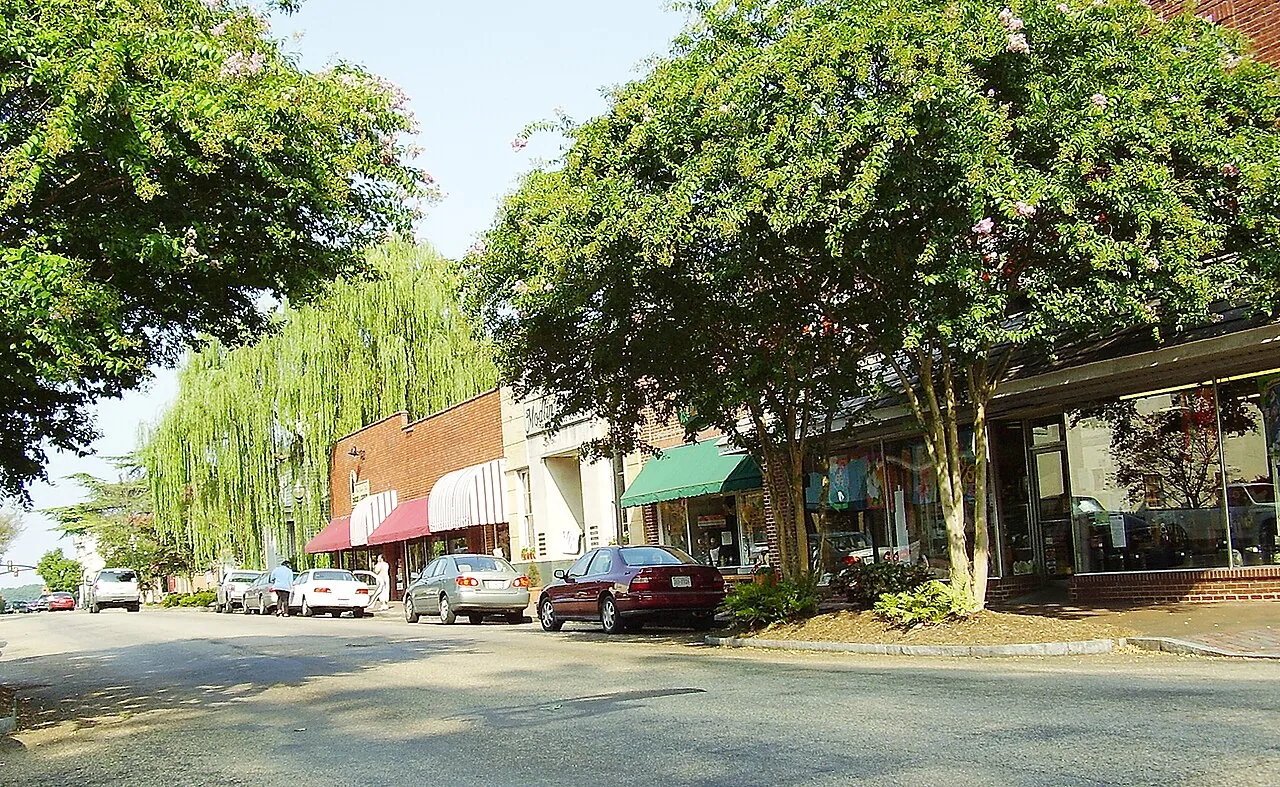
A leak report from Wythe Creek Commerce Park needs a roof location, a time, and a clear account of what sits below the affected area. The park covers 50 acres and lies about two and a half miles from Interstate 64. Its construction and light-manufacturing uses make it useful to ask which operation must stay available during inspection and repair. We confirm safe access, then trace the reported symptom across seams, penetrations, drainage, and edge details. A roof walk should leave the manager with photographs and a choice tied to observed conditions. If the opening is active, leak repair may be the first visit; a full inspection helps when the source or repair boundary is uncertain. Bright’s Creek has some of Hampton’s heaviest industrial uses, while Wythe Creek supports construction and light manufacturing. Confirm the property’s operating limits and roof-access conditions with its contact before scheduling work. Each roof receives its own field record, access notes, and repair window.
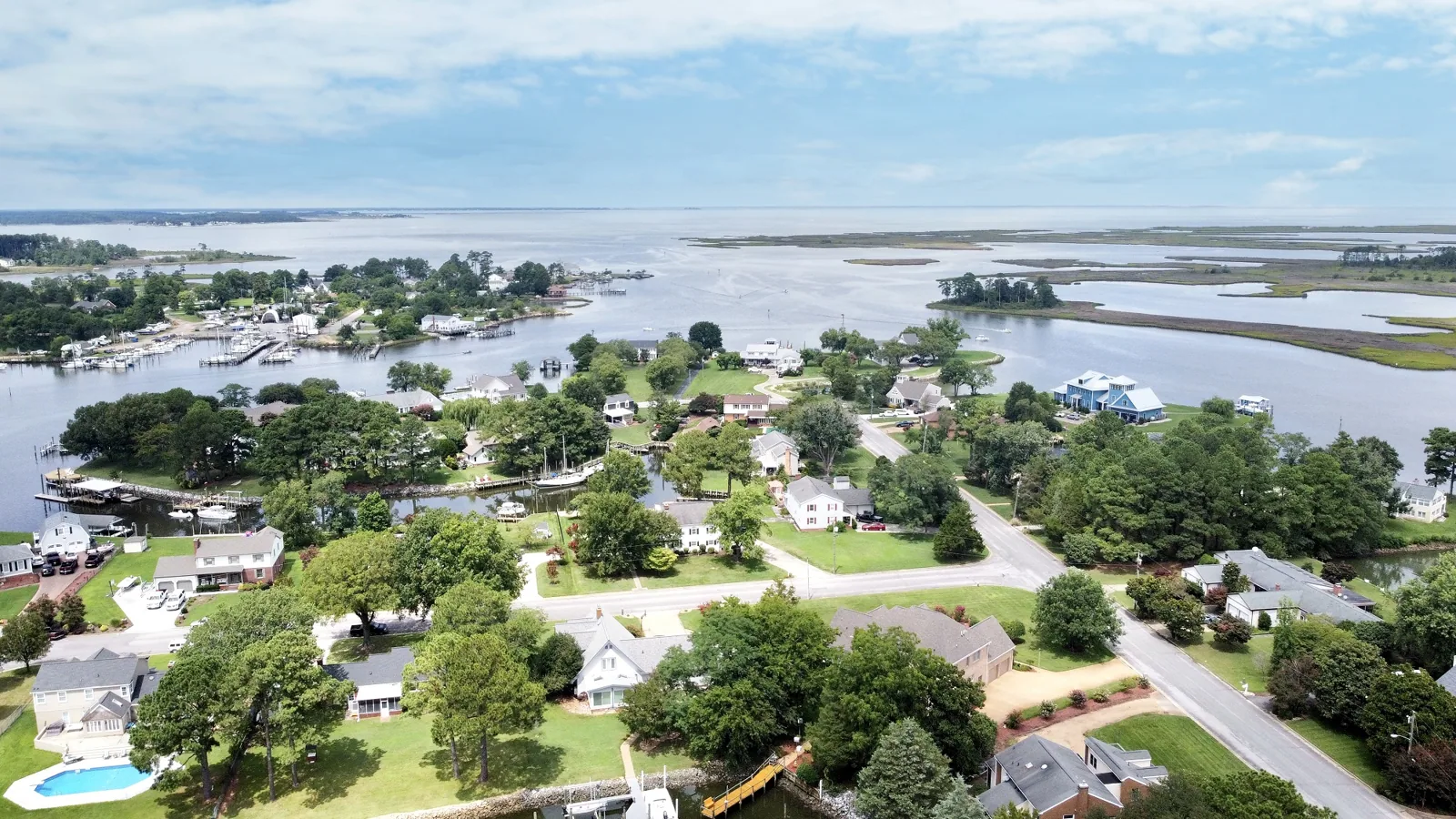
The first useful detail is where water appeared, not a guess about which roof seam failed. Tell us whether the report comes from a production area, office, storage room, or another occupied space. Include the time of the last drip, recent weather, and any change after equipment ran. If the condition is contained, note how. If water is still moving, say what is at risk and whether the affected area can be accessed safely.
Those answers guide a roof walk without setting the conclusion in advance. Water may follow a deck or framing member before it appears inside. We compare the symptom with membrane seams, flashing at curbs and walls, penetrations, drains, and edge metal. On a metal roof, the inspection also follows panel laps and fasteners. We document the roof area and any interior view that can be safely inspected. The result is an evidence trail: what we saw, what we could not reach, and which next step would reduce uncertainty.
Construction and light-manufacturing uses can bring moving equipment, deliveries, and work zones that change through the day. Before arrival, we confirm where a crew may stage, which gate or entrance is approved, whether an escort is needed, and whether any roof area must remain clear. The site contact identifies ventilation equipment or processes that cannot be interrupted, along with the entry and roof-access rules for that property.
Bright’s Creek has some of Hampton’s heaviest industrial uses, while Wythe Creek supports construction and light manufacturing. Hampton Roads Center business-park area includes office, flex-office, research, and light-manufacturing activity. Keep access records separate for each property. Bright's Creek industrial area has its own operating contacts and work boundary; the Wythe Creek site contact sets those details for this property.
When a defect is isolated and nearby materials remain sound, a localized repair can be appropriate. We prepare the affected surface, inspect adjacent material, and use a repair compatible with the roof assembly. The boundary should include the failed detail and enough surrounding material to make a durable connection. A patch over a wet or unstable surface can hide the symptom without resolving its path, so conditions below the surface may need checking first.
If several seams, transitions, or roof areas show similar change, the decision expands. We compare repair with recover, restoration, or replacement according to the observed membrane, insulation, deck, and drainage. A replacement review identifies the scope and building constraints before a capital choice is set. For a localized flashing concern, flashing repair may be more direct. A condition report keeps confirmed findings separate from open questions, so a broader recommendation does not outrun its evidence. The owner also needs to understand what drives the scope: access to the affected area, how far the condition extends, whether insulation is wet, and whether the repair must be staged around ongoing work. We explain those factors before comparing options, then note which could change after further inspection.
Hampton has tidal exposure, and the city’s northeastern neighborhoods face recurring tidal water, low elevations, coastal proximity, and long-duration nor’easters. At Wythe Creek, compare the reported time with roof seams, flashing, perimeter details, drains, and visible water paths around the building. That check separates roof leakage from drainage overflow or water approaching from outside.
Hurricane Isabel brought storm surge, heavy rain, and high water to Hampton Roads in 2003. A current roof visit still starts with the reported time, visible conditions, and drainage observations. If water is still entering an occupied area, the site contact and crew can first agree on safe containment and then set a repair window around access and work conditions. For a wind-related report, we document any visible displacement at perimeter metal, seams, or attachment points and compare it with the reported event. The field record should state whether those signs were present, absent, or inaccessible, rather than treating the storm history as proof of damage.
Temporary protection and permanent work answer different needs. Containment can reduce exposure while the crew waits for safe conditions or a confirmed repair detail. It should not be described as the final fix unless the inspection supports that conclusion. We explain what the immediate step covers, what access it needs, and what observation will determine the permanent scope.
For a repair window, the manager can help by identifying delivery periods, loud-work limits, restricted roof zones, or areas where equipment must remain live. Some materials require a dry surface or preparation time; other conditions may need a small test opening or additional review. We put those dependencies in order before setting a date. If the roof serves several operations, we coordinate one work boundary at a time and keep people clear of the area below. The plan gives supervisors a practical sequence without promising a weather outcome or an interruption-free job.
A useful field report shows the defect in context. We photograph the close detail, the adjacent seam or penetration, the drainage direction, and the relevant edge or wall transition. Notes identify the roof area and the interior concern, when a safe view is available. The report also names access limits and points that require a return visit. This structure gives a facility or asset manager something precise to compare with a later inspection.
For continuing oversight, preventive maintenance can revisit documented details and clear conditions that interfere with drainage. If a coating is under consideration, a restoration review should determine whether the surface and underlying materials support that approach. When modified bitumen is actually present, repair materials and preparation must suit that assembly. Product choice follows the existing roof and field findings, not the park name. The owner receives a record that keeps observations, repairs, and open questions attached to the right property.