Commercial roofing for Hampton and the Virginia Peninsula

Commercial roofing for Hampton and the Virginia Peninsula
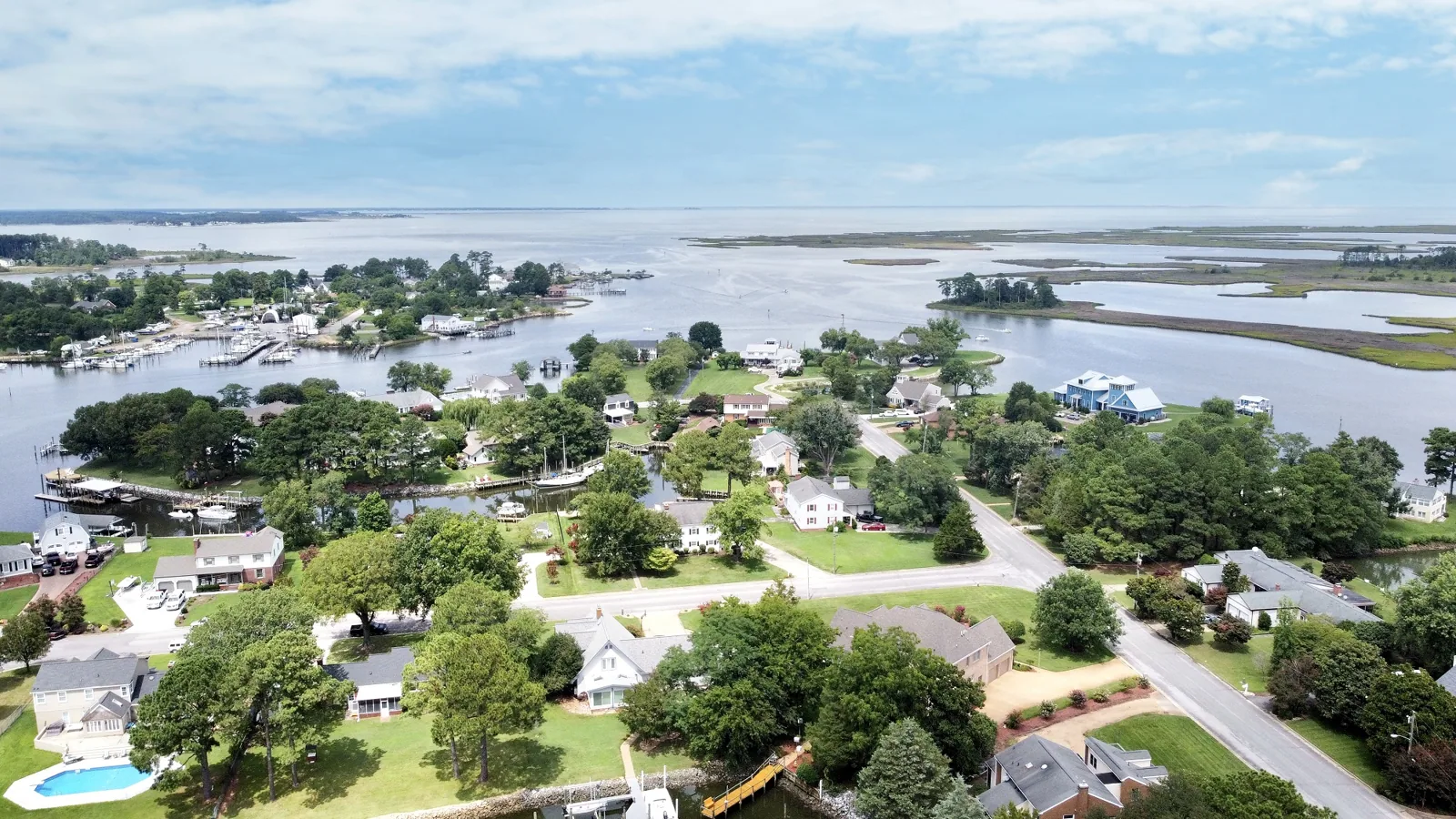
King Street service calls begin with the condition the building is showing, not the corridor name. We ask where water appeared, when it began, and what operations sit below the affected roof area. Hampton names King Street among its major commercial roads and includes it in local corridor planning. City business revitalization material also identifies the street for retail investment support. Those facts help place the call within Hampton, but they do not describe a specific roof or property. The crew checks membrane seams, flashing, penetrations, drains, curbs, and edge metal, then ties photographs to the areas inspected. A commercial roof inspection can establish the visible condition before a repair is priced. When water remains active, emergency roof response can address temporary protection while the permanent scope is prepared. We confirm access and business constraints early so the first visit gives the property contact useful findings rather than a generic recommendation.
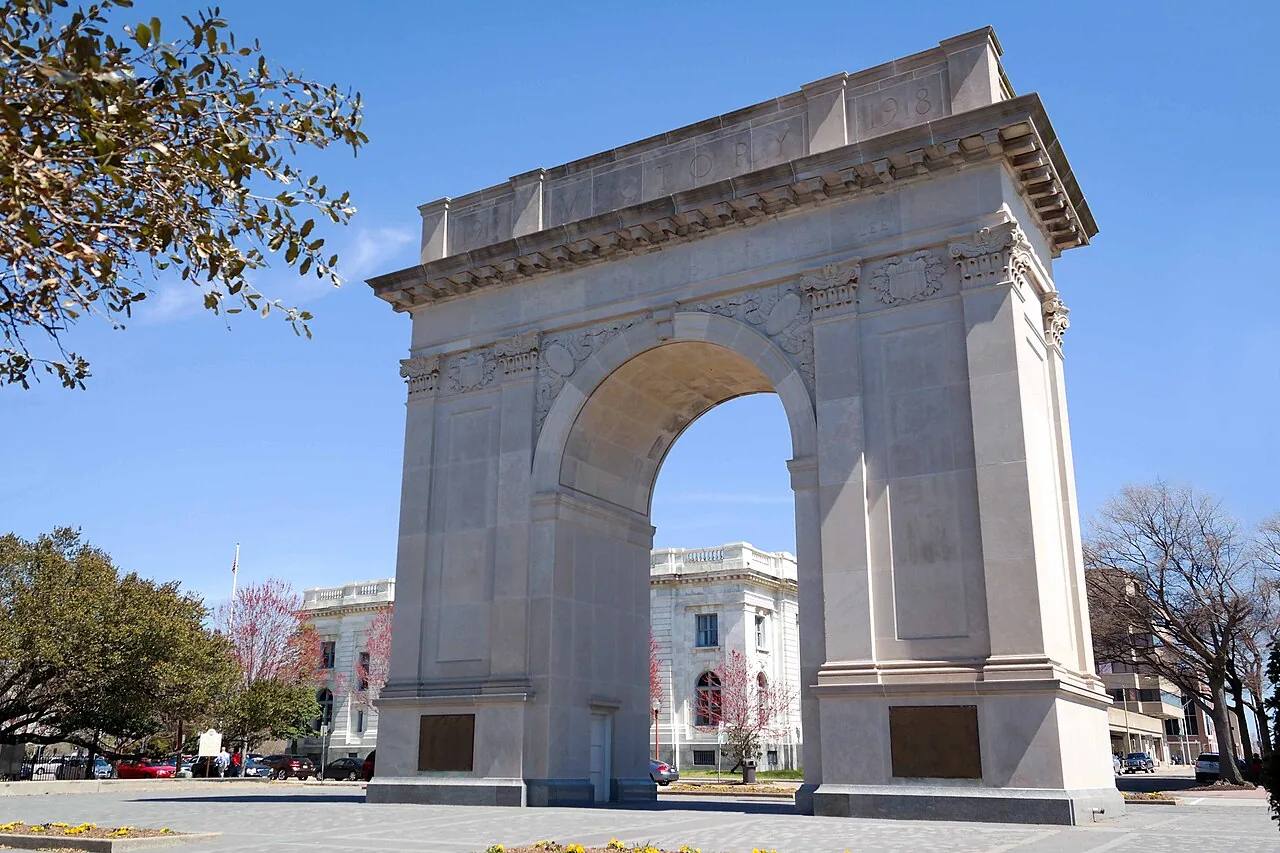
A visible ceiling mark can be several feet or more from the roof opening that admitted water. We compare the interior report with the roof surface above it, then trace likely paths along seams, penetrations, curbs, and changes in slope. The inspection records what is open, separated, punctured, wet, or simply worn, and notes whether the condition could be viewed safely. A repair should be connected to an observable detail rather than guessed from the room below. We photograph the surrounding surface as well as the suspected entry point, which helps distinguish one defect from a broader pattern. If the crew cannot reach a section because of equipment or access limits, that boundary stays in the findings. The owner can then decide whether another visit or a more focused test is warranted. A clear scope avoids treating every stain as the same failure and makes the repair easier to verify.
Hampton publishes a King Street watershed study with its neighborhood drainage plans. For any building along the corridor, the inspection follows the reported water to the roof detail and records the condition found. We inspect where roof runoff enters drains or scuppers, whether overflow paths are open, and whether debris or equipment interrupts flow. At the perimeter, we look at edge metal, terminations, and transitions that face wind and rain. A roof system can remain serviceable while one drain detail or seam needs attention, so the findings separate localized conditions from general wear. If a membrane seam is involved, repair material and preparation must fit the installed system. The crew may compare PVC roof details with modified bitumen assemblies only when the roof type is confirmed. The owner receives a description of what was observed and what should be monitored before a larger scope is considered.
Commercial buildings rarely pause simply because the roof needs a repair. We ask how access is controlled, which rooms need protection, when deliveries or tenant activity are heaviest, and who can approve a work area. A property manager may need the crew to avoid a loading period or coordinate with staff responsible for rooftop equipment. Those details affect the order of work and the temporary protection plan. If active water threatens an operating space, a contained response may come first, followed by a broader inspection when access is available. For a replacement scope, the owner may want the occupied-building work sequence to identify staging, noise, and access considerations. We do not assume every corridor property has the same use or schedule. We confirm the operating conditions with the person responsible, explain what can be completed in each visit, and record any area that remains inaccessible.
Repair begins with identifying the assembly and the condition at the affected detail. A puncture in a single-ply membrane, an open flashing transition, and a deteriorated metal seam call for different materials and preparation. We check whether the surface is dry, whether insulation is affected, and whether earlier patches can accept another repair. If the condition is localized, a focused repair may preserve the surrounding roof. If several areas show similar deterioration, the owner can compare repair with restoration, recover, or replacement. That comparison should include preparation, perimeter work, penetrations, equipment coordination, and the likely disruption to building operations. A coating is not a substitute for investigating wet insulation or an incompatible surface. We explain why a selected method fits the observed roof and what limitations remain. The decision should be based on the recorded condition, not a blanket preference for the smallest or largest scope.
Not every roof finding carries the same urgency. Active water above occupied space, a loose edge detail, and a worn field seam should be evaluated by exposure, extent, and the potential effect below. We group findings into immediate protection, scheduled repair, maintenance, and further investigation. That gives the asset manager a practical sequence without presenting every item as an emergency. If more than one section needs work, photographs and area notes help compare the likely benefit of each repair. When the evidence points to wider deterioration, we describe what needs mapping before the owner weighs capital options. King Street and Kecoughtan Road both appear in Hampton’s commercial-road planning, yet neither corridor label can substitute for the inspection of a particular property. A roof capital planning review can use the site record to organize future decisions. The recommendation remains tied to the roof walk and the building’s operating priorities.
Work timing depends on the surface condition, weather-sensitive materials, access, and building operations. Before scheduling, we confirm who can provide entry, whether a roof hatch or controlled area needs an escort, and what interior areas require protection. Preparation may include moving equipment, clearing a repair surface, or coordinating with another contractor. For a wet area, the owner should know whether additional testing is needed before closing the assembly. If temporary protection is used, the report states what it is intended to do and what follow-up remains. We also agree on how the crew will document completed work and any condition that prevented a full repair. A planned maintenance visit can revisit seams, drains, and perimeter details after the repair window. These steps make scheduling more predictable without promising weather or uninterrupted operations. The contact receives a short list of decisions needed before the crew returns.
King Street is included in corridor planning and is a focus for retail investment support. Those points establish context for the area; they do not describe an individual building’s roof. We keep local context separate from field findings so an owner can see which statements concern the city and which describe the property. The inspection record labels photos by roof section, notes visible materials, and lists the recommended next step. If an area could not be inspected, we say what access or test would resolve the gap. That record can support repair approval, internal budgeting, or a later comparison. It also helps coordinate with other service areas, including the Kecoughtan Road corridor and Pembroke Avenue corridor, without assuming their buildings share the same condition.