Commercial roofing for Hampton and the Virginia Peninsula

Commercial roofing for Hampton and the Virginia Peninsula
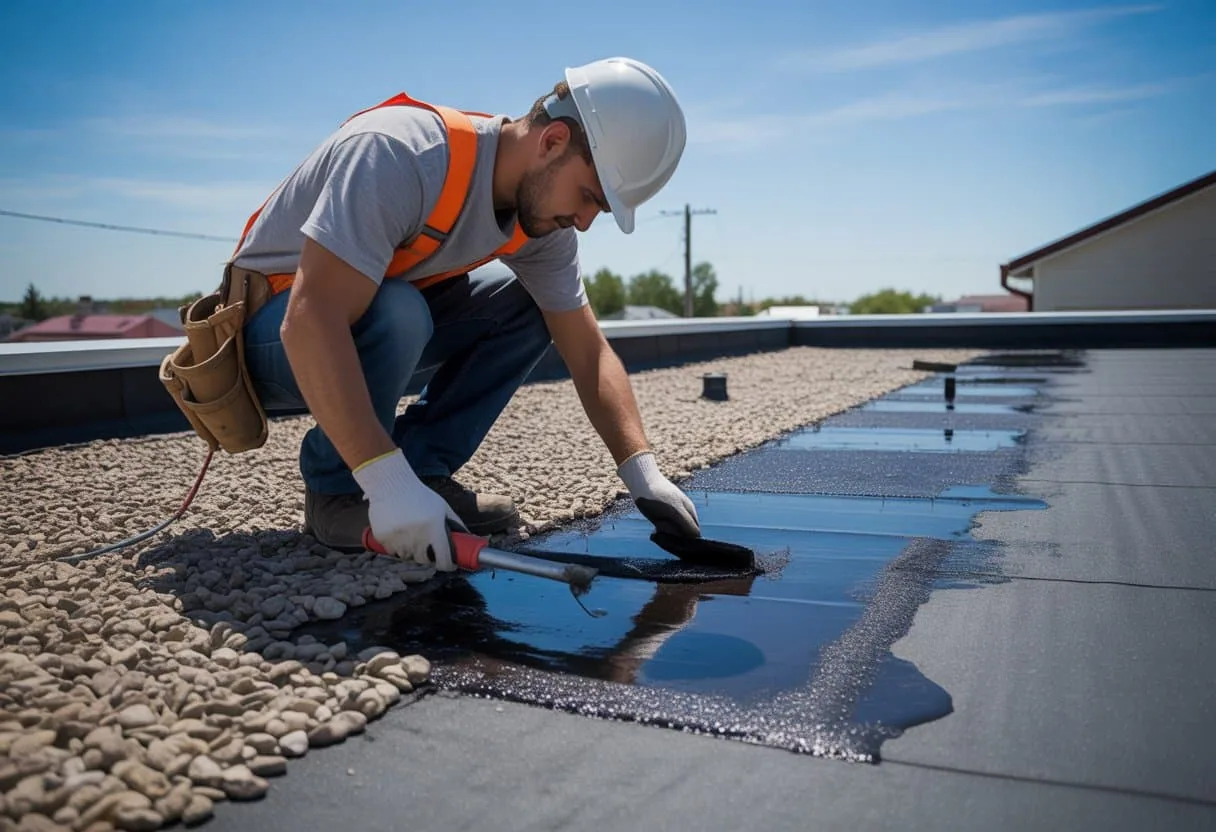
A specification that says KEE needs a second look before it becomes a purchase order. The project team should identify the exact membrane formulation, thickness, reinforcement, attachment, and approved details. We start with the roof condition and the intended system so the field scope can be checked against the submittal rather than inferred from a short product label.
KEE is used in certain PVC membrane formulations. It is not a standalone installation method or a substitute for an assembly design. Hampton commercial properties require project-specific review of substrate, perimeter, drainage, equipment, access, and operating constraints before a material is selected.
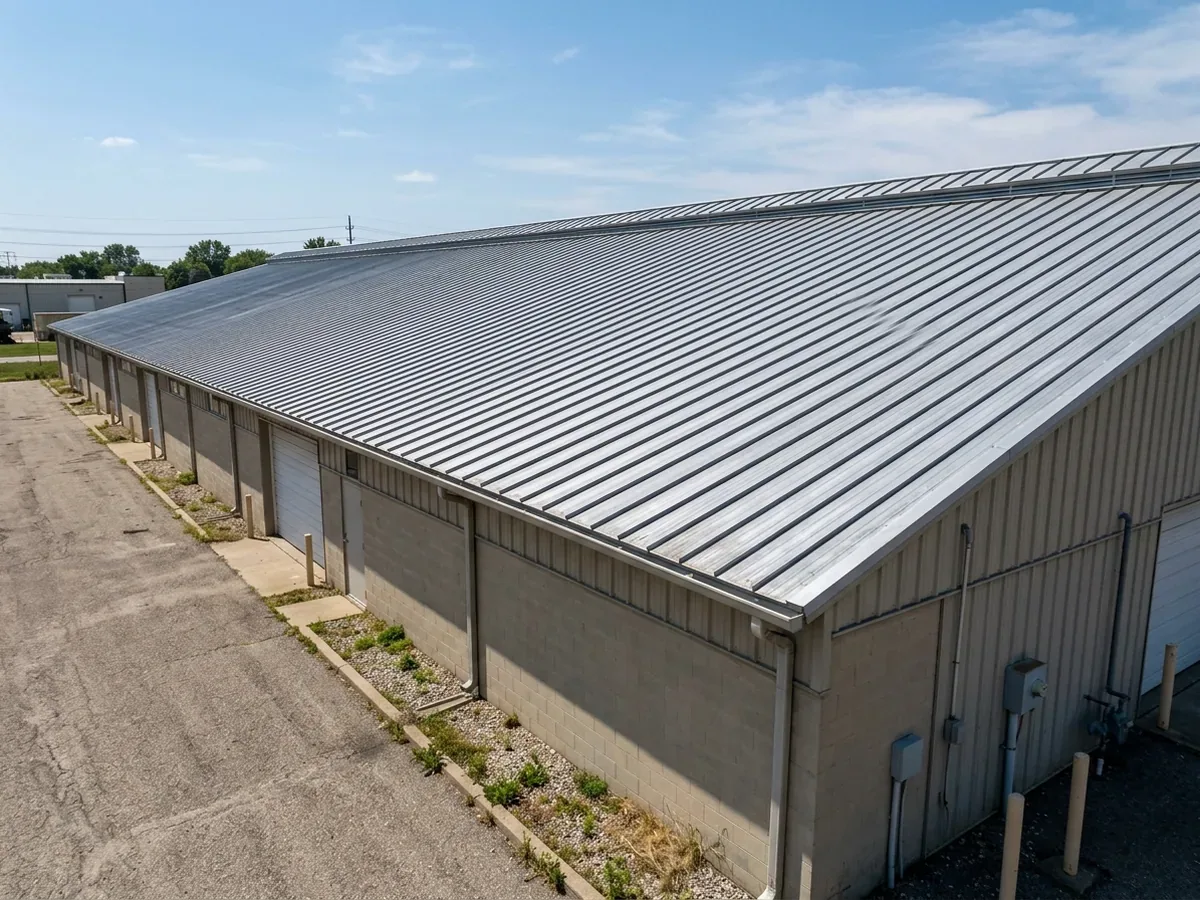
We map the existing membrane, seams, patches, penetrations, curbs, edges, drains, and leak reports. If product identity is not documented, record that uncertainty; color and flexibility do not establish whether a sheet is PVC, KEE, or another material.
During the walk, check how field sheets approach inside and outside corners, pipe boots, drains, and roof edges. A defect in one transition should not be expanded into a roof-wide failure without evidence. Record any area hidden by equipment and list it as inaccessible, not inspected.
For a proposed KEE system, confirm that submittals and details name the same product family. The installer needs approved methods for seams, corners, terminations, and transitions. If another membrane, coating, or adhesive remains, check compatibility before pricing a tie-in.
Findings should identify roof areas, repeated conditions, and test questions. Do not call a concealed deck damaged without inspection. Define an opening and restoration plan before sampling. A commercial roof inspection can establish a baseline.
KEE is a modifier in some PVC membrane formulations; composition and performance depend on the named product. Submittals should identify manufacturer, membrane, reinforcement, thickness, attachment, insulation, and approved details. The design professional reviews these against project requirements.
Review the manufacturer's data and warranty language for the exact product and installation method. Confirm required inspections, seam tests, approved substrates, and any limits on repairs or coatings. The owner should compare the covered scope and exclusions alongside the initial price, then keep the selected submittal with the project record.
Virginia’s building code reaches renovation and repair work, not only new buildings. Confirm permits, wind design, fire and energy provisions with the design team and authority. We document proposed work; project approval follows the required review.
A bounded repair addresses a confirmed defect. A recover requires review of moisture, attachment, layer count, height, and compatibility. Tear-off exposes more of the deck but increases disruption and disposal. Compare options with stated assumptions for concealed conditions and approval of changes.
Copeland Industrial Park and Bright’s Creek, near the interstate, are Hampton locations with heavier industrial activity. Those broad areas suggest questions about loading, equipment, and work sequence; the site survey determines the building's actual needs.
Compare KEE with PVC roofing, TPO roofing, or EPDM roofing by exact product, approved details, substrate, perimeter, and drainage. Do not apply a general membrane label to the entire assembly.
Coordinate hoisting and material storage with building operations. Protect rooftop service paths, label temporary barriers, and keep emergency access clear. If a mechanical unit must remain active, agree on the working clearance and any temporary enclosure before roofing begins near it.
Curbs, pipes, supports, hatches, and parapets create transitions that need assigned scope. Identify equipment removal, flashing, and reconnection; resolve clearances if insulation changes elevation. For occupied facilities, state daily work limits, hoisting, protected routes, dry-in, and who may pause the section.
Hampton Roads has coastal and tidal flood exposure in some low-lying locations. Regional exposure does not establish a particular roof's flood risk. Review site elevation and emergency planning with the owner; on the roof, record ponding, drainage paths, and vulnerable transitions.
Temperature and wind limits vary by product and installation procedure, so the crew follows the selected system's written requirements. Keep adhesive, primers, and membrane protected during storage and handling. Record a weather delay and the secured work boundary in the daily report.
In 2003, Isabel's rain and high-water conditions affected roadways across central and southern Virginia. Historical context supports preparedness but does not predict a specific event. Before opening a section, set the weather decision point and verify temporary protection and intended outlets.
Confirm product identity before selecting a repair. A seam, puncture, flashing, and loose edge require different preparation. State the affected location, compatible method, access, and any testing. If the sheet is unknown, investigate before quoting a weld.
Separate required work from alternates. A bidder may price a different insulation package or attachment approach, but the base option should remain consistent with the design intent. List the roof sections included, transitions excluded, and any owner-furnished equipment work so reviewers compare like scopes.
A reroof proposal can define tear-off, deck allowances, insulation and cover board, fastening, membrane, perimeter, flashing, and tie-ins. Explain temporary dry-in and how concealed moisture is documented and approved. Compare a commercial replacement scope; roof coating restoration requires a separate substrate and compatibility review.
Show measurable allowances such as curb count, edge length, drains, and test areas. A unit price for uncertain deck work should explain how quantity is confirmed. Hampton’s economy includes advanced manufacturing, aerospace, healthcare, professional services, and retail; a roof survey translates the building’s use into a practical work sequence.
Align drawings, submittals, access, inspection points, and change approval before mobilization. Photos can record existing layers, deck, insulation, attachment, seams, flashing, and daily closures. If conditions differ, stop at the authorized boundary and request direction.
Maintain a decision log for concealed conditions, design clarifications, and accepted alternates. Each entry should identify the affected roof area and approval date. The record helps the owner connect an invoice or warranty file to the work actually completed.
Retain product data, required test records, warranty papers when applicable, and a marked roof plan at turnover. I-64 and I-664 converge beside Copeland Industrial Park, which has some rail access. That area context can start a staging discussion, but site access and freight arrangements need confirmation. The broader target is Copeland Industrial Park, not one tenant.
Review seams, flashing, edges, drains, curbs, and trade work under the owner's maintenance schedule and access rules. Record location, date, photos, and work completed to distinguish recurring findings from new damage.
After another contractor performs work, request a closeout record showing any penetrations, fasteners, or temporary materials introduced. Check those locations during the next roof review. Small records make it easier to identify whether a later leak began at original flashing or a newer interface.
Keep outlets clear and review new supports before another trade fastens through the membrane. For capital planning, use a roof condition report. Manufacturer data and project warranty terms govern inspection and repair requirements.