Commercial roofing for Hampton and the Virginia Peninsula

Commercial roofing for Hampton and the Virginia Peninsula
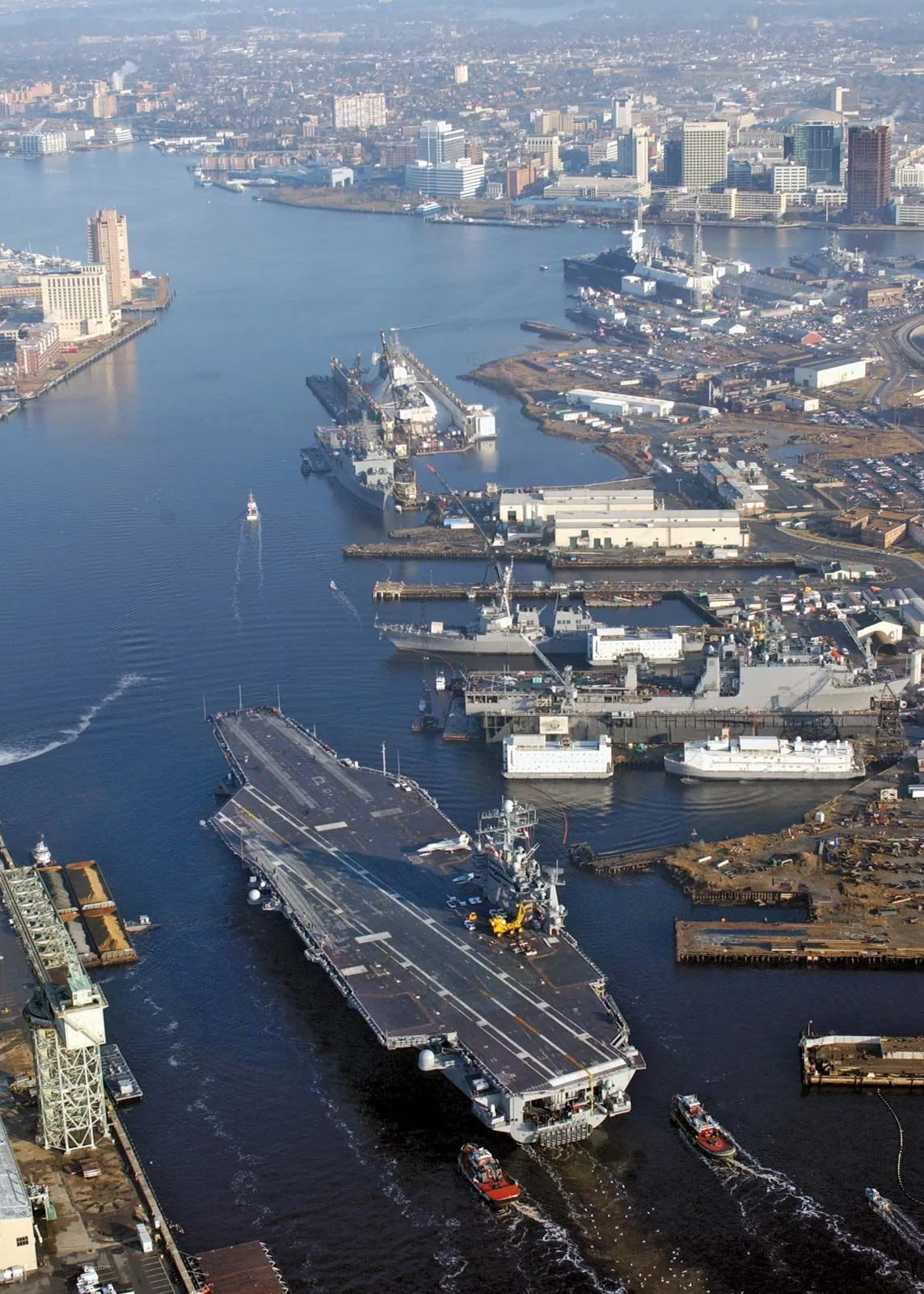
A Mercury Boulevard roof call starts with the building condition and the operation underneath it. The initial review records the affected space, timing, sensitive equipment, and the approved roof-access route for this Mercury Boulevard property. Mercury Boulevard is a major commercial road with access to Hampton Roads Center and nearby development. Those connections can help coordinate dispatch; the building contact confirms site access and operating limits. We confirm the assembly during the walk, then inspect seams, flashing, penetrations, drains, and edge metal. A commercial leak repair can address an opening when the surrounding materials support a focused scope. For active water, emergency response may include temporary protection while the permanent repair is prepared. The first visit records what can be seen and what the owner should decide next.
We use the interior report to choose a starting point, then inspect the roof above and around it. Water can travel before it reaches a ceiling, so the visible stain may not sit directly below an opening. The crew checks membrane seams, penetrations, rooftop curbs, wall transitions, drainage points, and prior patches. Photographs identify the location and show enough surrounding surface to make a return visit useful. We record material type where it can be confirmed and record any area blocked by equipment or access restrictions. If the condition cannot be seen safely, that limit stays in the report instead of being turned into a guess. A commercial roof inspection can also record unrelated maintenance needs without folding them into the leak scope. The owner receives a distinction between active failure, suspected moisture, and ordinary wear. This gives the next repair decision a field basis rather than relying on a single interior symptom.
Roof drainage deserves attention whenever water entry has been reported. We inspect drain bowls, strainers, scuppers, overflow paths, low points, and the slope leading toward them. A blockage, settled surface, or crowded equipment zone can affect the route water takes, but only a roof walk can establish what exists on this building. At perimeter details, we look for movement in edge metal, separated terminations, and flashing gaps. Hampton’s commercial mix reaches from neighborhood retail and business-to-business activity to larger service uses; those uses do not tell us which roof system is installed at a site. Once the material is confirmed, repair methods can fit the system, whether the work concerns TPO seams or standing seam metal. We report the observed condition and the preparation needed before repair, keeping local planning information distinct from the property-level finding.
The boulevard serves different business functions, and the building contact is the best point of contact for operating limits. We ask about occupied rooms, delivery periods, equipment shutdowns, controlled roof access, and any work that must continue while repairs are underway. Those answers help select a staging area and protect the interior. If the roof sits over a sensitive operation, the crew may need to isolate the work zone or sequence repairs around a scheduled pause. A plan for occupied-building roofing can describe access, protection, and phasing when the scope reaches beyond one detail. We confirm who will meet the crew and who can approve a change if the inspection uncovers additional damage. Confirm access, staging, and approval authority with the building contact before scheduling. The written plan should identify the areas the crew will visit, material handling needs, and the decision-maker who can authorize temporary measures.
A repair must bond to a compatible surface and address the detail that failed. We identify the membrane or metal profile, check whether the substrate is sound, and record any moisture that could affect the scope. A puncture, open lap, loose flashing, and deteriorated termination call for different preparation. If the defect is isolated, a targeted repair may keep serviceable roof areas in place. When observations show repeated failures or broader deterioration, the owner can compare repair with restoration, recover, or replacement. The comparison should spell out preparation, insulation considerations, edge work, penetrations, equipment coordination, and expected interruption. Coating is not appropriate for every surface and should not conceal an unresolved moisture condition. We explain why a proposed option fits the conditions recorded and what remains outside its scope. If another test is needed, the report identifies it before the owner commits to work that cannot be supported by current findings.
We group findings by exposure and consequence so the owner can decide what needs attention first. Active water over occupied space may require temporary protection, while worn seams or open perimeter details may fit a scheduled repair window. Conditions that suggest wet insulation or broad deterioration may need additional testing or mapping. Each item is tied to a roof area and a recommended next step. That allows a manager to compare repair scope, building impact, and budget timing without treating every observation as a crisis. Hampton Roads Center access context helps orient the broader location, but it does not prove a delivery route or a property condition. The capital planning process can organize documented needs across future work periods. Our recommendation remains based on what the crew observed, the system involved, and the operational deadline the owner provides.
Before scheduling, we confirm access, surface preparation, material requirements, and the building’s operating calendar. Some repairs need a dry surface or time for materials to set, while others may be completed during a shorter window. The crew identifies any area that must be cleared or equipment that requires coordination. For active leaks, the owner should know what temporary protection can address and what permanent repair remains. If conditions change before the crew returns, the photo record and marked roof area give the follow-up visit a clear start. We also plan how the completed work will be inspected and documented. Scheduling should account for current weather, not assume that a particular day will be suitable. The contact receives a concise list of decisions or access arrangements needed before mobilization. That preparation helps limit disruption and keeps the repair tied to a defined roof condition.
Clear records make it easier to review a repair after the crew leaves. We label photos by roof area, describe the condition, list the work completed, and record anything that remains open. If an inspection could not include a section, the report states the access limit and the follow-up needed. The owner can use that record to compare later findings, schedule maintenance, or prepare a broader capital discussion. Where several options are viable, the report separates immediate protection from planned restoration or replacement. It also records how equipment, penetrations, and drainage could affect future roof work. The corridor context may help staff identify the right property call, but each recommendation stays with the building inspected. For nearby service areas, the same property-first process applies along the Kecoughtan Road corridor and Big Bethel Road corridor. To request a visit along Mercury Boulevard, share the roof location, site-entry requirements, and periods when work would interrupt business.