Commercial roofing for Hampton and the Virginia Peninsula

Commercial roofing for Hampton and the Virginia Peninsula
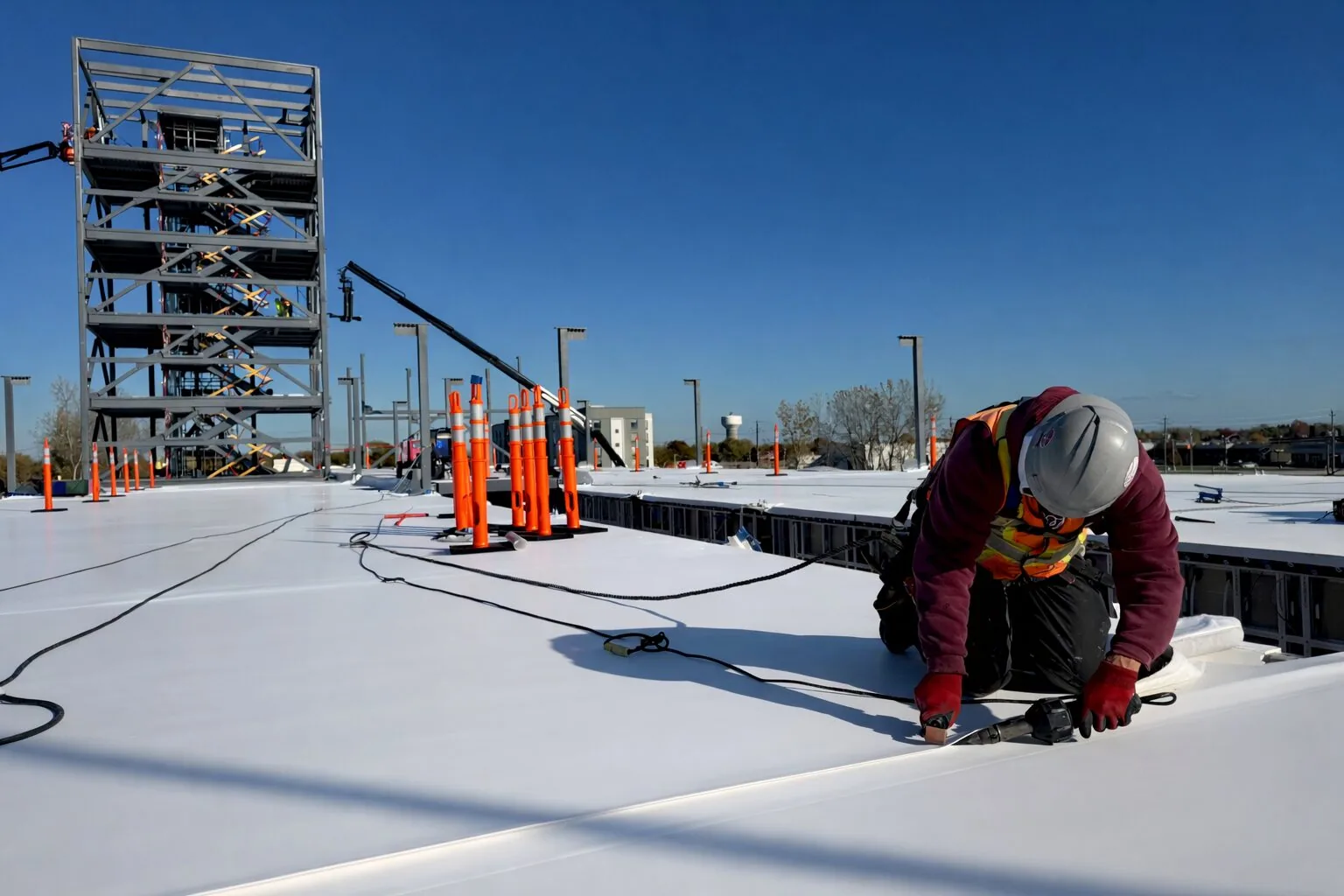
A Carlisle SynTec record can name a membrane family without describing every layer now on the building. We review available plans and closeout documents, then inspect accessible roof areas to identify visible conditions and questions that remain. The system name in a roof file does not identify every layer now present on the building. We confirm the documented membrane, insulation, attachment, and accessories before choosing a repair detail. That product range makes system identification and attachment details important before a repair is selected. A commercial roof inspection can connect the file to what the crew sees.
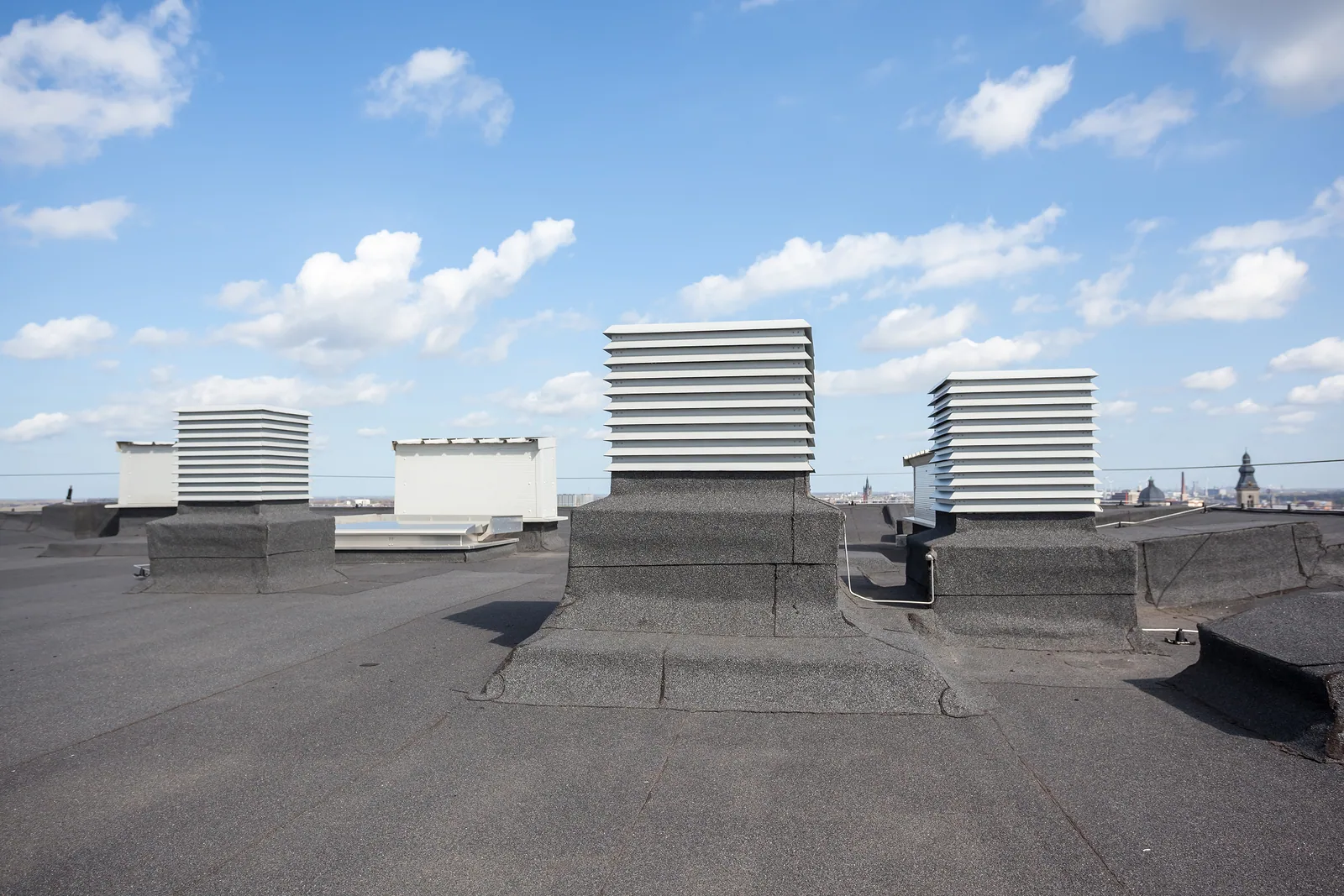
Start with the product data, specification, approved detail, and closeout paperwork for the roof under review. The field crew compares those records with seams, flashing transitions, roof edges, drains, and visible fasteners or adhered areas. When the documents and roof do not align, the discrepancy remains an open question. We do not name an assembly from an old invoice alone, especially when a building has more than one section or a series of repairs.
Current Carlisle resources can help the project team locate product sheets, specifications, warranties, and detail information. Those materials need to match the particular membrane and installation method. A condition report can document what was inspected, what records were available, and which roof zones need follow-up before work is priced.
Before placing a repair order, write down the system name as it appears in the record, the roof section where it applies, and the detail that needs work. Carlisle’s product resources cover several membrane families and supporting components, so a broad company name cannot substitute for a system-specific drawing or data sheet. We can compare accessible field details with the documents supplied, note missing information, and identify who should confirm the design before materials are ordered. This avoids building a repair scope from a partial label alone.
When a leak is reported, note the interior location, timing, weather information available, and the operational effect. On the roof, inspect accessible seams, penetrations, flashing, drainage, and prior patch areas. Water can move before it reaches a ceiling, so the nearest roof detail may not be the entry point. We record visible evidence and use a separate test or additional access when the condition cannot be confirmed on a standard roof walk.
If the roof record identifies EPDM, TPO, or PVC, the repair method must suit that material and the documented assembly. A commercial repair visit can address a defined defect after the conditions are reviewed. When moisture below the surface may alter the repair boundary, consider a suitable moisture survey as a separate diagnostic step.
A proposal should state the affected area, observed condition, repair method, materials, access requirements, and limits. The crew checks available manufacturer instructions for seam work, flashing, adhesives, and accessories rather than combining products by appearance. If the system has a warranty, the owner can confirm approval and notice requirements with the issuing party before the permanent scope proceeds. Any temporary protection for active water should be logged separately from the final repair.
After work, keep photographs, the repair date, the roof zone, materials confirmed, and items still open. A maintenance visit can revisit nearby seams, drains, and edge details under an agreed checklist. Those records help a later crew distinguish a new condition from the earlier Carlisle repair without assuming that every visible mark has the same cause.
If repairs no longer answer the owner’s concerns, replacement planning begins with the existing layers and building use. Review drainage, deck observations, insulation objectives, perimeter details, rooftop equipment, and phasing around occupants. A recover may be considered only if the assembly and moisture conditions support that approach. The proposal identifies which assumptions were confirmed and which require testing or a selective opening before the boundary is final.
Carlisle’s listed membrane families give a design team options to evaluate, but the best fit depends on the building and project documents. Attachment method, substrate, details, wind design, fire requirements, and warranty conditions must be coordinated for the actual roof. A replacement scope lays out the layers and work sequence so the owner can compare bids on the same basis. For a GAF assembly elsewhere in a portfolio, use its own system records.
Coliseum Central and Downtown Hampton include the office, retail, medical-service, and mixed-use categories described in Hampton's plan, while each Carlisle-SynTec roofs remains a separate asset. City materials also describe industrial activity at Copeland Industrial Park and Bright’s Creek. These market facts help us ask about operating schedules and building use, but they do not establish the membrane, age, or roof condition at any property. The site contact confirms access, tenant restrictions, deliveries, and the areas that can be inspected.
Interstates 64 and 664 converge beside Copeland Industrial Park, where the city notes some rail access. That broad district context may matter when coordinating a visit across Hampton, while each work order remains linked to a specific property and roof zone. The Coliseum Central service area describes a broader district rather than a single tenant or building.
Store the executed warranty, amendments, inspection forms, repair approvals, and closeout papers together. Note the party responsible for a notice and the dates stated by the documents, then ask the issuer when the process is unclear. A contractor can supply observations and work records; the warranty issuer interprets the contract and determines how its terms apply. Do not treat an estimate, inspection note, or manufacturer product sheet as a coverage decision.
For several properties, a roof asset register can keep system names, photos, repair history, and open questions distinct by building. A broader capital review can then compare immediate repair with additional testing or replacement without merging different roofs into one assumed condition.
A useful file lets the next manager identify the roof area, the person who authorized the work, the photos taken, and the open item that remains. When an inspection cannot reach a detail, record the limitation and the access needed to revisit it. If another party must answer a product or warranty question, include the document title and the exact issue rather than a broad request to review the roof.
Call with the building, reported condition, access limits, roof documents, and the deadline for a decision. We can scope an inspection, repair, or replacement review and keep the resulting record tied to the area served. For a different membrane portfolio, a Johns Manville system review should use that roof’s own records and applicable details.
A closeout package should help an owner understand what was completed and what was left untouched. We can include the repair location, photos before and after, materials recorded by the crew, access restrictions, and a note about any condition needing later review. If the roof has areas installed during separate projects, label each section instead of filing every record under one blanket system name. That organization gives a future estimator a more reliable starting point.