Commercial roofing for Hampton and the Virginia Peninsula

Commercial roofing for Hampton and the Virginia Peninsula
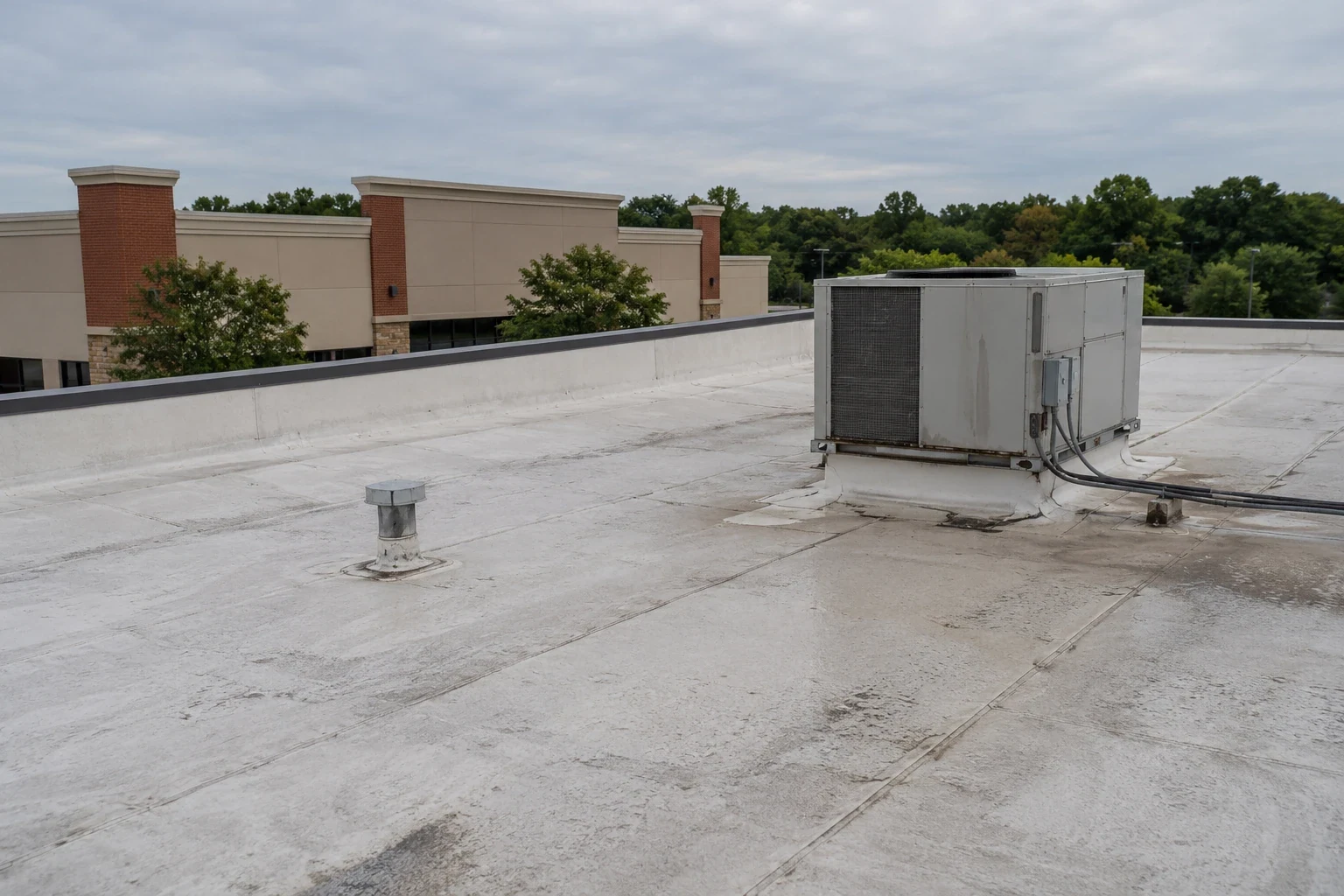
A roof line in an acquisition file is only useful when its condition, scope, and timing can be tested against the property itself. We begin with a roof walk, reported leaks, visible membrane and flashing conditions, drainage, equipment penetrations, and available repair records. The findings separate a serviceable area from a condition that needs immediate work or further testing. That gives an investment team a basis for assigning near-term repair, monitoring, or capital planning without treating a short inspection note as a reserve study. The commercial districts of Coliseum Central and Downtown Hampton mix retail and medical-service properties with offices and mixed-use buildings. Each property needs its own assembly and access review before a budget decision is carried forward. For portfolios with third-party managers, property management roof records can keep asset-level findings connected to tenant operations.
At diligence, the first issue is not whether a roof looks old. It is what the accessible evidence says about water entry, attachment, drainage, penetrations, and the condition below the membrane. We document the areas that can be seen and identify where records, probes, or a closer moisture survey would change the decision. A repaired ceiling does not confirm that the roof is dry, and a single wet area does not establish how far moisture extends.
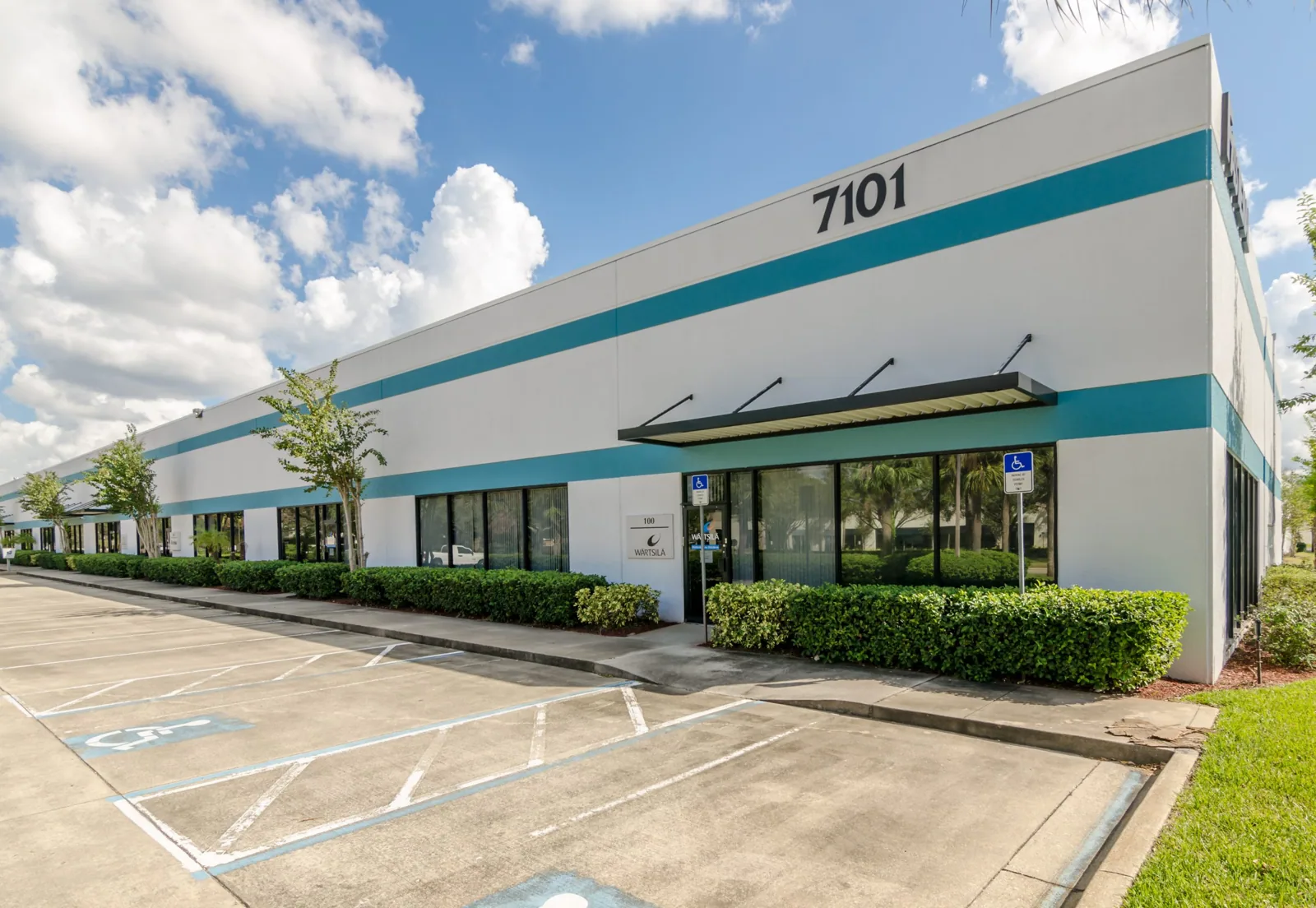
Hampton business parks include flex-office, research, light-manufacturing, warehouse, and distribution uses. Those categories do not establish a roof type, but they make it important to match the inspection scope to actual rooftop equipment, interior use, and access restrictions. We can organize a roof condition inspection by building and elevation, with photographs and noted limitations. If a transaction schedule is short, the report should label the issues that can be priced now and the questions that need a second visit, rather than hide uncertainty inside one allowance.
A roof system may include a membrane or metal surface, insulation, cover board, attachment, vapor-control layers, and deck. Visible wear on top does not reveal the condition of every layer underneath. We check seams, laps, fasteners where visible, flashing transitions, drains, edge metal, and prior patches. Where there is a reason to suspect concealed moisture, testing can help define whether an overlay remains feasible or whether removal belongs in the scope.
The repair path depends on the extent of the defect, the attachment of existing layers, deck condition, drainage, and code requirements for the proposed work. A recover is not a shortcut around those checks. When conditions support it, we explain how recover or overlay options compare with replacement, including preparation, tie-ins, penetrations, and temporary dry-in. If the assembly cannot be confirmed from available access, the written recommendation states the next test instead of assigning an unsupported conclusion to the whole roof.
A portfolio decision often has three horizons: stop active water, correct a defect that could spread, and plan larger renewal. Those scopes should be described separately. We mark the immediate repair area, note related conditions that need watching, and price broader work only to the level supported by the field findings. This helps an owner compare current cash needs with a future replacement without presenting a repair as a permanent cure for every roof condition.
Hampton’s climate and Hampton Roads storm history also belong in the timing discussion, but a regional event is not proof that a particular asset was damaged. We inspect the actual roof after a report of wind or water, check drainage and edge details, and distinguish new observations from existing repair history. A condition review may inform the budget, while an engineering or environmental assessment remains a separate scope when the transaction requires it. The written record can carry open items into the next operating cycle.
A capital scope still has to fit the building’s daily use. Before work begins, we confirm hatch and ladder access, roof restrictions, equipment clearances, loading periods, tenant notices, and any rooms that cannot tolerate interruption. For occupied office or healthcare uses, the sequence may need to keep a route clear and avoid work that affects sensitive areas. A warehouse or production property may require a different material path and coordination window.
Our crew can stage a repair or replacement in defined sections, with temporary protection and a weather plan for each open area. The owner’s representative receives a scope that identifies what will be removed, what remains, how tie-ins are handled, and where access is needed. If water is active, emergency stabilization may precede the capital decision. A manager can keep that first response separate from a later commercial roof replacement plan, rather than use a temporary measure as the final asset record.
Classify assets by assembly, operations, and access before setting roof reserves. The city also identifies Copeland Industrial Park and the Bright’s Creek area as concentrations of heavy industrial use. Those facts describe broad land uses, not the assembly or condition of an individual roof. For an investor comparing unlike assets, they point to the need for building-specific checks of loading, equipment, drainage, access, and tenant operations.
The city names Mercury Boulevard, King Street, and Pembroke Avenue among major commercial roads, with selected commercial nodes at key intersections. These locations are useful context for organizing service records, but a corridor does not predict the condition of nearby roofs. For an asset near the riverfront, the actual elevation and drainage route need field review; across an industrial property, the crew checks the roof surface and penetrations that match its equipment layout. Work near Downtown Hampton is scoped to the property itself, not the district as a whole.
Roof proposals become hard to compare when one includes wet-insulation removal, curb work, or edge metal and another leaves those items open. We describe the observed assembly, work limits, tie-in details, disposal, temporary protection, and known exclusions. Alternates should state what changes in material or scope. If concealed conditions may affect the price, the proposal names the trigger and the process for documenting it.
A decision-ready scope also describes schedule constraints, staging, access, and the expected sequence from preparation through closeout. The property team can compare repair, recover, and replacement paths using the same roof areas and assumptions. When a claim is involved, insurance restoration documentation should distinguish storm-related observations from prior conditions and the proposed work. We can provide photographs and a written condition report; coverage and claim decisions remain with the insurer and policyholders.
After work, we record the completed area, materials installed, repairs made, and any remaining observation or maintenance item. The property file should make it possible to connect a leak report to the roof zone, field finding, approved scope, and closeout record. That trace is useful when the asset is refinanced, transferred, or reviewed for a later capital plan.
Silicone or acrylic coatings may be appropriate only after the existing surface, adhesion, moisture, drainage, and detail conditions are evaluated. A coating is not a substitute for correcting failed flashings or unresolved water entry. For a sound, compatible substrate, silicone roof coatings can be considered as part of a restoration scope with defined preparation and detailing. Our report can note what the system does and does not address, along with the maintenance checks that keep drains and transitions visible. A portfolio owner can carry those records into a maintenance log only when that context applies.