Commercial roofing for Hampton and the Virginia Peninsula

Commercial roofing for Hampton and the Virginia Peninsula
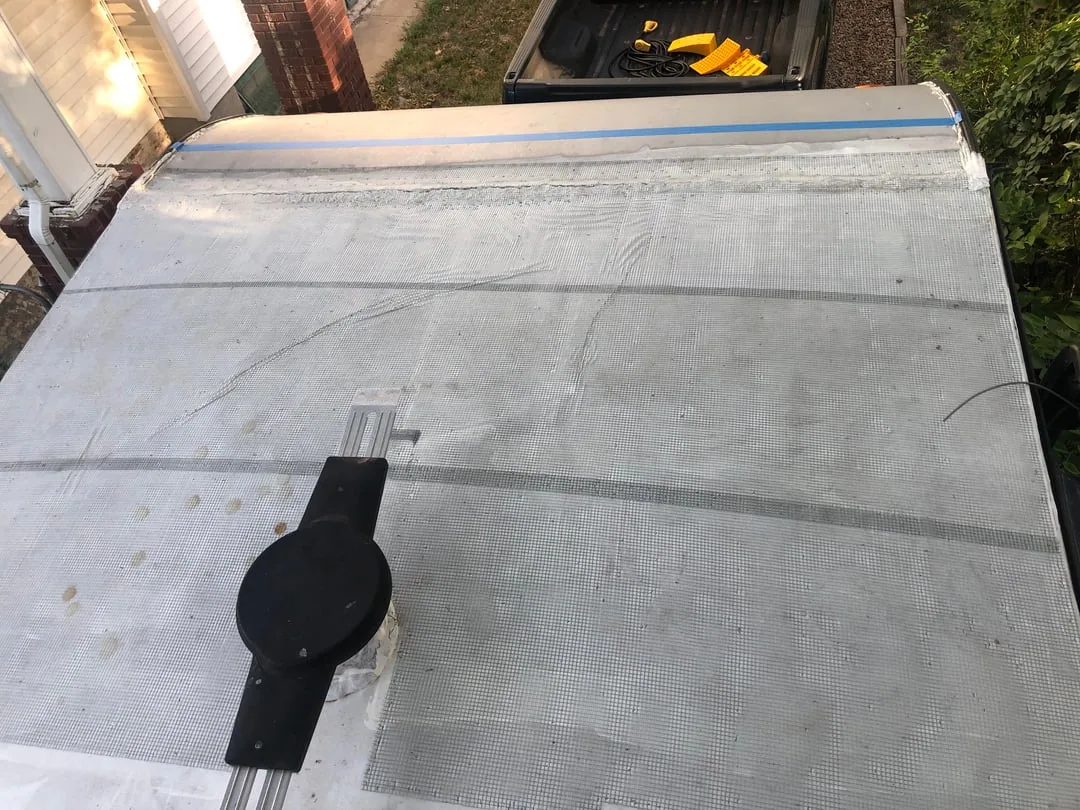
A small cut or impact mark can pass water through a membrane, but the repair boundary depends on what surrounds it. We locate the puncture, check the adjoining surface, seams, penetrations, and substrate, and ask whether water is active below. The crew records the mark and any exposed insulation before selecting a patch. Warehousing and distribution sit alongside research and light manufacturing in Hampton's business-park mix. Those categories do not establish an individual roof assembly, so we identify the installed membrane from field evidence and available records. A roof inspection can document the puncture, nearby details, and any area that needs moisture testing before repair.
If water is still entering, the building contact identifies the room, equipment, or stored items that need protection. We establish safe access to the roof and determine whether a temporary measure can reduce exposure until permanent materials and suitable weather are available. The report notes where temporary protection was placed and what repair remains.
A visible puncture does not show how far moisture traveled beneath the membrane. We inspect the surface around the mark and check nearby seams, fasteners, curbs, and prior patches. When concealed wet insulation could change the work area, a moisture review or selective opening may be needed. The repair scope separates the confirmed hole from any open question about the layers below.
Hampton’s heavier industrial activity is concentrated in Copeland Industrial Park and the Bright’s Creek area by the interstate. Each roof still needs a site inspection before scope is set. The city’s business-park inventory also includes warehouse and distribution operations. Those facts help orient service coverage but do not describe a particular tenant, roof, or stored product. We plan around the property’s actual access, equipment, and operating hours.
Copeland Industrial Park sits by the I-64/I-664 junction, and the park also has limited rail access. That transportation setting may affect how the site contact arranges material delivery; the project manager confirms the route and staging on the specific property. A Copeland Industrial Park roof visit begins with the building and puncture location supplied by the owner, not an assumption about the broader park.
A puncture can sit near another defect that is responsible for the water. We check the surrounding lap, curb flashing, fasteners, and surface condition, then compare the roof findings with the reported interior area. The report identifies what was observed at the hole and which nearby detail was inspected. We do not label a seam opening as impact damage or treat every nearby mark as the source.
The September 2003 Isabel event sent surge into Hampton Roads and brought heavy rain and high water to roads in central and southern Virginia. That regional event does not establish a puncture at an individual roof. For a current report, we photograph the condition found today and compare it with available repair history. A wind damage inspection may address related lifted edges or displaced material, while a seam review follows an open lap on its own evidence.
Patch material and preparation depend on the installed membrane, surface contamination, weather, and condition below the puncture. We prepare the area, remove unsound material as required, and restore the opening with compatible components. The patch extends far enough to close the verified damage and tie into a sound surface, with the edge detail finished for that assembly. After the patch is installed, we inspect its perimeter and adjoining material, document the finished detail, and compare it with pre-work photographs. If a follow-up is warranted, the report names the condition that should trigger it, such as renewed water in the reported room or visible separation at the patch edge. A later visit is scoped to that observation and roof zone.
If insulation or deck is wet or damaged, the repair may require removal and replacement instead of a surface patch alone. We document the exposed condition and request direction before expanding the work. An EPDM repair, TPO weld, PVC patch, or metal-panel correction uses a different method, so the roof system must be confirmed. For a verified EPDM roof repair, the installed material and adjacent surface determine the appropriate bond and tie-in.
Repair work needs a clean, dry surface and adequate time for preparation and closure. We set a stopping point before material is removed and keep temporary protection ready if rain or wind changes the plan. If conditions interrupt the work, the owner receives a clear note about what was protected and the permanent step still required.
A low-lying property beside a Hampton Roads tidal channel can encounter 2 to 3 feet of inundation. That alert is regional, not a forecast for this building. Before a patch is scheduled, we check the current roof surface, moisture, and access conditions so preparation and bonding can be completed properly.
The estimate identifies the puncture, preparation, material, repair boundary, temporary protection, and access assumptions. If testing or removal may reveal additional damage, the proposal describes how the crew will document it and seek approval before work expands. That lets the property team distinguish a defined repair from a possible follow-up.
For an operating building, the repair window may depend on loading, equipment access, or room use. We confirm those constraints with the site contact and coordinate any temporary interior boundary. A flashing repair is listed separately if a curb or wall transition is also defective. The work record identifies the material and area repaired, supporting later comparison if a new report occurs elsewhere on the roof.
At closeout, we photograph the completed patch and record nearby seams, drains, and penetrations that were checked. The owner can keep that note with the roof plan and compare the location during a later visit. A new report at another roof area should be investigated independently rather than assigned to the prior puncture.
Hampton’s planning facts describe broad industrial and commercial uses, while maintenance findings remain attached to each building. A preventive roof visit can revisit patches, seams, and drains on a schedule that fits access conditions. If the membrane surface has additional wear, the report can identify whether testing or a wider evaluation is warranted. Follow-up steps stay tied to what the crew can observe on the roof. When the membrane type is uncertain, we identify it before selecting primers, welding settings, or patch materials.
A repair closeout should show the puncture location, preparation, materials, and completed patch. If testing or interior access remains pending, identify who will arrange the next check.